

(Mass Appeal) – It’s so easy to become overwhelmed through the holiday season. Joining us to help work through the stress is Clinical Psychologist Doctor Sharon Saline.




Includes two articles by Dr. Sharon Saline:


 In the whirlwind of the holidays, it’s easy to forget the true meaning of the season–connecting with loved ones and giving back. The spirit of giving goes beyond buying stuff. As fun as it is to give and receive material possessions, it’s important to nurture what you can't get at the store–relationships, community and generosity. When we engage with others in meaningful ways, we not only do good in the world, but we feel good about ourselves. It may take a little extra time and creativity, but it’s well worth it. There are countless ways to choose people over stuff during the holidays. Volunteering, donating to charity and giving experiences are all valuable ways of giving back and lifting spirits.

Giving experiences instead of stuff offers folks something unique that will provide them with lasting memories. Perhaps it’s an experience they’ve wanted to do but not been able or willing to arrange for themselves. Or, it’s an opportunity to spend time together while sharing an interesting activity. It doesn’t have to be complicated or expensive; sometimes it’s the simple pleasures that bring us the most enjoyment.
By giving an experience, you are offering someone the opportunity to go beyond their comfort zone with the encouragement of a kind friend. Teaching kids that gifts don’t always come in a box is invaluable. Here are a few examples of experiences that make wonderful gifts:
Ice skating, sledding, board games or a trip to an arcade are just some of the ways friends and families can connect. Kids might enjoy doing something special with their grandparents, cousins or friends: a sleepover, baking cookies or setting up a tent in their room and “camping in”.
A membership to a museum, zoo or nature preserve is a gift that keeps on giving–it’ll be enjoyed all year and you’ll help support a great institution. Memberships are also available in many theaters, symphonies and other arts organizations.
The gift of learning can be enjoyed at any age and you can find lessons for just about every interest: sports, cooking, art, music–the options are plentiful. Whether you find a private teacher or group lessons through a local adult ed program, you should be able to find resources within your community.
 Donating to charities or donating your time is a form of giving experiences. These rewarding activities stretch people, especially kids, to think outside of themselves and consider others. Charitable experiences teach us important and fundamental life skills.
Children, especially, will benefit from practicing gratitude, empathy and acts of kindness, and this, in turn, will help them develop into kind, caring adults. When kids get involved in charitable work, they start to learn the feeling of gratitude. They become more appreciative of what they have in their lives. You are also deepening your relationship by doing a meaningful activity together.
Giving your time to help others really makes a difference, especially during the holiday season. If you’re in the position to lend a hand, show your generosity of spirit by doing something for those in need. Volunteering at a soup kitchen, delivering meals or helping coordinate a toy drive are just a few options. If a more personal experience is more your speed, consider baking cookies for friends or raking leaves for an elderly neighbor.

Giving to charity, a non-profit or other worthy cause is another way to choose people over stuff. You may have clothing or books your family has outgrown which can go to a family in need. Or there’s an organization doing great work to which you’d like to contribute. You may want to brainstorm charities and causes you’d like to support together as a family. By getting the whole family involved in the conversation, you’re likely to inspire more enthusiasm. Lead by example and show how good it feels to help others.
Gifts which are experiences alter both someone’s perspective about themselves and about the world around them for the better. When you engage in an activity, you are participating in your world and interacting with your community. This action-oriented gift has a ripple effect in ways you can’t necessarily see. It spreads good will, increases self-esteem and sets a good example for others to follow. Whether you help, create or share an experience with someone, make it meaningful and caring during the holidays and all year long.
Watch on Dr. Saline's YouTube channel:



 As the new year approaches, it’s a good time to look back on the previous year and set goals for the next. Reflecting on accomplishments motivates us to do more of the same and keep those good feelings coming. Acknowledging what didn’t work out is just as important, allowing us to learn from those experiences and make adjustments in the future. With the many ups and downs of the past 12 months, it’s important to start 2022 with a focus on positivity toward yourself and others. These days, it's more important than ever to nurture existing relationships and form new ones. When we prioritize self-growth and friendship, we feel stronger, more confident and more resilient. Let’s kick off the new year by setting some meaningful and achievable relationship goals.

Before you can develop stronger relationships, you need to feel good about yourself. Take some time for self-reflection, and write down what your identify as your qualities and strengths.
What is one trait you like most about yourself on which you could improve? Make nurturing and expanding this trait your goal for the upcoming year.
Think about the person you really want to be–whether it is braver, warmer, kinder, more authentic, more compassionate, a better listener–and focus on that. This is a good exercise to do with your children as well. Help them identify what they love about themselves and what they’re good at. Cheer them on, and encourage them to share their best qualities with others!
Be mindful, but don’t overdo it. Set a reasonable and achievable goal, and identify how you'll evaluate your progress. Keep a journal, or ask a friend to give you regular feedback. Finding a way to keep yourself accountable will help you stay on target toward achieving your goal.
Our emotional well-being depends on our abilities to develop and maintain strong bonds with others. Feeling connected and supported boosts our confidence and helps us ride out life’s bumps and bruises with more resilience. But a relationship will not grow without care. It’s a give-and-take process and needs nourishment to thrive. Fortunately, there are plenty of tried and true ways to nurture existing relationships and confidently form new ones.

Even with busy schedules and hectic lives, it’s important to carve out time to spend with family and friends. Those who know and love us most can best lift our spirits, comfort and guide us. So, seek out opportunities to be together as often as possible. Creating a regular or weekly dinnertime routine that works with your family's schedules is a great way to engage in regular check-ins. Invite your friend over for coffee, go for a walk with your sister, or take up a new art class with your partner. While you're at it, encourage your loved ones to do the same. Sharing an experience together deepens the relationship.
Whether it’s friends, family, coworkers or classmates, there are more opportunities to stay in touch now than ever before. If you’re unable to meet in person, be sure to call, text, email or video chat. The method is not as important as the action. Keep the bonds in your relationships strong by sharing what's happening in your life and staying up-to-date on what's going on with others. Send photos, exchange book recommendations or music playlists. When you can’t be together, stay connected in other ways.

Accepting invitations to social gatherings is a great way to stay connected and meet new people. Although this may be tough for some, especially those who experience social anxiety, it’s worthwhile to nudge yourself outside of your comfort zone and give yourself the opportunity to interact with a variety of people. You may be pleasantly surprised by a new experience or an enjoyable conversation you didn’t expect to have!
Model this optimistic approach for your children, and be sure to leave a little room for flexibility. Some kids feel uncomfortable going to an unfamiliar house but would be fine inviting a new friend over. The goal is to create opportunities for new connection and grow relationships by saying 'yes' more often.
Is there someone whose company you enjoy but haven’t been able to spend time with? Maybe it’s someone with whom you’ve chatted in a group setting but would like to get to know better one-on-one. Or, perhaps it’s someone you recently met and would like to get to know. Moving past any fear of rejection, especially if you experience Rejection Sensitive Dysphoria (which is common with ADHD), can be difficult. Take the first step toward relationship-building by initiating a conversation in whatever way feels most comfortable. Whether this becomes a new friendship or fizzles out, you will gain confidence and experience in the process.
When setting goals for the new year, set the tone with a positive, productive mindset. An optimistic approach will help you build confidence in yourself and in your relationships. Identify your strengths, and see if you can take them further or apply them to new situations. Nurture existing relationships and invest time in forming new ones. Be kind to yourself and know your limits. But make it a point to stretch yourself a little in order to grow and live a fulfilling and rewarding life. 
Watch on Dr. Saline’s YouTube Channel:
Shop handouts, seminars & more in Dr. Saline’s Store.



 In the midst of the hustle and bustle of the holiday season, many of us have shorter fuses. Tempers flare, angry words are said, and the joy of family gatherings suddenly sours. Sadly, the stress of special events can lead to negative interactions, behaviors or outbursts. Whatever you celebrate, you have the opportunity to pivot from feeling shutdown to being connected. The holidays bring joy, lightness and good cheer. Practicing forgiveness with your family (and yourself) will assist you in having a happier, fulfilling experience.

Living with ADHD can be challenging for kids and adults and the people who love them. Children and teens test limits, argue about routines and struggle to manage intense feelings. It’s tougher for them to remember their chores, to brush their teeth daily or to stop playing Fortnight or using Instagram.
Like adults, kids and teens may know what they should do, and sincerely want to do that. However, due to challenges with impulse or emotional control, they cannot make better choices with consistency. Sometimes, it’s unclear to folks with ADHD and their circle of friends, relatives and caring adults what behaviors are purposeful and what reflect having ADHD. This confusion leads to blame, shame and frustration.
Forgiveness is a purposeful decision to let go of feelings of resentment, blame or revenge towards someone who has hurt or harmed you–whether or not you think they deserve it. It does not condone what they did, but rather frees you from the pain of holding onto your anger and criticism.

Forgiveness is about mercy and compassion. It is something you offer because you realize that it is the most effective response to a situation. Forgiveness encompasses an awareness that a number of social-emotional and environmental factors influence reactions, emotions and behaviors of people with ADHD. It’s also about being cognizant of your self-righteousness.
Whether your young adult son refuses to take his ADHD medication and can’t seem to hold down a job, your ten year old explodes when you won’t let him watch R-rated movies, or your teen repeatedly leaves their dirty socks on the couch–what you can control is your response.
Yes, you’re agitated and disappointed. Yes, you know the medication will help, PG-13 movies are more appropriate and the socks belong in the hamper. But, what’s needed here is understanding about their struggles, scaffolding to teach executive functioning skills, following natural and logical consequences and, frankly, letting some things go.
 Forgiveness is part of the holiday spirit, because it offers somebody the gifts of kindness and generosity of spirit. Empathy is a key component of forgiveness, particularly when we are talking about neurodivergent kids and adults. Compassion teaches us that, just like us, they are doing the best they can in a given situation with the tools they have available to them in that moment. This is especially true for their Now/Not now brains. When flooded with strong emotions, rational thinking goes on a quick vacation, and the amygdala takes over with survival responses instead of thoughtful, cognitive ones.
When you are in pain–anger, sadness, guilt or shame–it’s much harder to practice empathy or compassion. It’s common for people (parents, partners, children or teens) to export this pain onto others. Then, those folks take it on and try to fix it. However, this is usually an impossible task, because you are not a miracle worker, and your capability to make things ‘okay’ is limited. Rather, acknowledge what is going on, brainstorm potential solutions together, and see what happens. Focus on doing your own work, why you feel triggered, and how the present situations might replicate something from your own history. Set up a family policy of using a Take-Back of the Day to demonstrate forgiveness in real time.
Rather than berating yourself for not being good enough at home, at work or in your relationships, practice accepting yourself, as you are, instead. Decrease your expectations about your professional, academic or parenting skills so you don’t walk around feeling like a failure.
 A mother recently told me: “I’m pretty good at forgiving my 3 children with ADHD, but I struggle with not forgiving myself and blaming myself. I feel like I can never do enough to provide the structure they need.”
Pay more attention to what you are doing with the resources you have available. Everybody stumbles: two steps forward and one step backward is still forward motion. If you make a mistake, be accountable for your actions without going into a shame spiral of self-loathing. This is really tough to do, especially for perfectionists. But it doesn’t serve you, and it certainly doesn’t model for your kids how they can accept themselves. Start by forgiving yourself for something small, such as yelling about bedtime, rather than tackling all of motherhood.
Forgiveness is an ongoing practice: it's a gift that grows and changes over time. Releasing your resentment increases your potential for happiness and contentment. This is the best gift you can give yourself and your loved ones! 
Watch on Dr. Saline's YouTube Channel: [embed]https://youtu.be/ONFmfvhazoQ[/embed] Deeper Dive: https://drsharonsaline.com/product/apologies/ https://drsharonsaline.com/product/home-seminar/
 (Mass Appeal) – When kids are home from school and it’s vacation, they often default to using their devices 24/7 and that is certainly not ideal. Today we welcome Clinical Psychologist Doctor Sharon Saline, with some practical ways to manage screen time for kids.
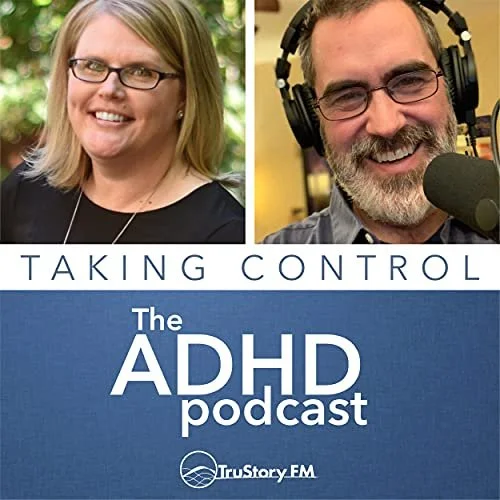

 "Have you ever tried talk therapy? It can be intimidating, learning to open yourself up to a stranger, but with the right therapist, it doesn’t have to be uncomfortable for long. We’re continuing our series on ADHD interventions with Dr. Sharon Saline, psychologist and ADHD specialist. She joins to talk to you, the therapy novice, about what you can expect from therapy, what you should expect from your relationship with your therapist, and how you can make the therapy relationship thrive in support of your ADHD." Listen to the episode below, or click here to listen at TakeControlADHD.com.

 Do you ever wish that you could pause time, take back something you said, and start over? Would you like to be someone who has quick comebacks in conversations, instead of thinking of something good to say 10 minutes later? The holiday season, now in full swing, comes with countless gatherings, celebrations, and–more often than not–the stresses of social interactions. Typical elements of conversation and communication can be tricky for people with ADHD or other neurodivergent individuals; they may interrupt or speak too quickly, space out unintentionally and miss key elements of a conversation, have difficulty processing information, or feel insecure about what they have to say. Learning some useful techniques for listening and speaking more effectively can help neurodivergent individuals improve their interpersonal skills and reduce social anxiety.
There’s a general assumption that all people are in complete control of their words, actions and emotions, and that everyone knows the unspoken, unwritten and often mysterious rules of social engagement. However, this doesn't account for neurodivergent experiences, strengths or challenges with communication. It also neglects to account for the effects that anxiety and depression can have on the body and mind during interactions.
Some neurodivergent people might prefer more direct communication. Others might prefer communicating through art or story. Many prefer social opportunities where they aren't pressured to make eye contact or sit still, or where they can easily take breaks and then join back in conversation. Just because neurodivergent people might approach social communication differently than a neurotypical person would, doesn't mean one approach is preferable over the other. Let's take a more compassionate approach and explore how we can all become more confident communicators.
 There are two types of communication: verbal and nonverbal. Verbal communication has to do with words we use to explicitly communicate an idea. Nonverbal communication is what we implicitly express through specific behaviors, body language and demeanor. Verbal communication can be difficult enough on its own, but when we also need to track nonverbal queues, like posture, tone, and physical proximity, social interactions can feel overwhelmingly hard. I’ve compiled some tips to make this process easier.
When asking to join in on a conversation that’s already in progress, be friendly and respectful. Listen and observe before communicating, so you can understand the subject that is being discussed and can get a sense of what’s happening emotionally among the participants.
Be genuine–be yourself!
Ask questions, but don't feel the need to conduct an interview. Plus, it might come off as dominating the conversation.

Practicing pausing before making any responses or judgments. Consider validating the other person's concerns or experiences, and not minimizing them.
If you miss something or get distracted, that's okay! It happens. Try to come back slowly, by first listening to assess what’s happening. It's okay to ask someone to repeat something for clarification if needed.
It helps to reflect back part of what you hear, which validates the other person (they feel heard) and helps you remember parts of the discussion. Try using a mirroring statement, such as “So, what you’re saying is...” or, a summarizing statement, like “Oh, wow. You just got that new job!” This reflection will also help compensate for potential wandering attention, because you are sharing some of the details you heard (even if you’ve missed others!).
Avoid giving directives. No one wants to be told what to do. It’s best to gently suggest or ask about a way of doing something instead of telling someone what or how they should act. For example, instead of saying, “You should ask for a promotion or find another job,” try rephrasing to use a softer approach, such as, “Would you consider asking for a promotion? Maybe it's time to look for another job.”

Pace yourself. Try to noticing your communication speed, and whether it seems to work well for the other participant(s). Would talking faster or slower be a helpful adjustment to your or the other person(s)? Their facial expressions might help you monitor their reactions and whether you need to make a change or take a little pause.
Remember, effective communication is a back-and-forth process where participants take turns speaking and listening. Be mindful of how others respond to you to help the conversation flow smoothly.
Remember, it's okay to leave at any point during a conversation if you feel uncomfortable or would find a break helpful. When you're ready to leave, it might help to keep it quick and simply communicate your need to leave: “Great to see you again! I’ve gotta run. See you soon.” Likewise, when someone expresses a need to exit the conversation, respect their needs and avoid prolonging the conversation.
Neurotypical people often express interest and engagement by expressing openness and calmness, with relaxed posture and eye contact or by leaning forward. They often express judgment and discomfort by appearing more closed off, with crossed arms or legs, or by looking away. This might also be true for people who are neurodivergent, but some might express themselves differently, which is okay! It's just something to be aware of.
Practice pausing and being mindful of what the other person(s) may be expressing through their body language, or what your body language might be signaling them. However, don't draw conclusions from body language alone if you're not as familiar with an individual, as it can present differently for different people.

Keeping a physical distance of about three feet apart is normally accepted as appropriate in most Western cultures, with hands and body parts kept to yourself. Consent would be expected for any closer distance or contact, especially given the current COVID pandemic concerns.
It's also important to be mindful that some people are highly sensitive to touch and/or can find hugs, for example, to be uncomfortable or painful. If that's you, don't feel pressured to engage in any interaction that would cause you discomfort. If you're a parent, respect your child's sensitivities and needs by not pushing your child to hug relatives or friends or sit on Santa's lap this season. See if you can come up with a fun handshake, wave or hello/goodbye phrase instead.
How loud are people speaking? Are you speaking louder or quieter than the people around you? Can you hear yourself? Are you inside or outside? Practice paying attention to your tone of voice as well. Find a buddy who can remind you to reflect on your volume or tone with a subtle, pre-arranged cue.
 It's important to maintain control over our body movements and personal space. Bring something small to fidget with if it helps you stay attentive and more engaged in a discussion. Take the time beforehand to prepare a seat if you prefer to sit, or stand up if you feel the need to stand or stretch.
Certain body movements might be noticeably distracting to others at times. If you're comfortable with it, and feel it would be beneficial, you can let people know that your body may do things that you are unaware of, are out of your control, or that helps you self-regulate. You can make it clear that the movements are not about them. Remember to offer yourself some compassion if you notice yourself feeling insecure by reactions from others.
To better remember all of these tips in social settings, flex your effective communication muscles by remembering the acronym APPLE:
Ask relevant questions, and assess what’s happening by reading people’s faces.
Place yourself appropriately near others, observe their volume and follow along.
Use reflective statements to show that you’re listening, and express your genuine curiosity about others’ experiences.
Turn down the volume on the internal negative voice that guesses what other people are saying about you, because it’s often wrong! Stay present and engaged with what’s happening in NOW–in the moment.
Take a moment to appreciate your social connections. Practice what you'd like to about yourself and bringing up your personal interests in conversation while also receiving what’s interesting and compelling to others. Conversations are a give and take.
 Becoming a strong and empathic communicator can take practice. Self-awareness, impulse control, emotional regulation and working memory, among other executive functioning skills, can be particularly challenging for neurodivergent folks. Moreover, there are issues with cultural values, social norms and interpersonal dynamics that can be difficult to interpret. With understanding, research, patient instruction and lots of practice, anyone can learn to participate in conversations more appropriately and confidently.
Watch ADDitude Q&As on Dr. Saline's YouTube Channel:
Shop handouts, seminars & more in Dr. Saline's Store. https://drsharonsaline.com/product/home-seminar/


"Do you set unrealistic goals for yourself, fret about disappointing others, and compare yourself negatively to those around you? If so, you are probably like many other people with ADHD who struggle with perfectionism. At times, you may want something to be right so much that it becomes difficult to start tasks, assignments, and projects, and complete them. In other moments, the desire to do something well motivates you to give your best efforts and helps you feel proud of your work." Read the full article by Dr. Saline!




 As the holiday season unfolds, my clients and friends express feeling very stressed. Some people have a long list of gifts to buy and wait until the last minute to do their shopping. Some schedule back-to-back social plans and celebrate with gusto. Other folks dislike the holidays altogether and would prefer to hide in bed under the covers until January. In general, everyone seems to be in a state of perpetual motion, running from one thing to the next, trying to get things done and seeing family and friends. This pace is not only challenging to maintain, but it's also especially hard for kids and adults with ADHD who get easily overwhelmed, even without the holiday fervor. How can you create experience that is fun, rewarding and calmer for you, your neurodiverse family? Get ready for simplifying this holiday season.
Start with a mindset of “SIMPLIFY, not COMPLEX-IFY." Usually the holiday overwhelm comes from one or both of two main sources: (1) leaving things until the last minute and (2) trying to do too much. Let’s face it—EVERYTHING takes longer than we think it will. If you start planning your tasks with that mentality, and give yourself more time to do things, the process will go much more smoothly.
1. Shorten lists and outings
 Make a master list, and then break it down into shorter ones. Ideally, your family might stop at 1 or 2 places in one trip, but plan for no more than 3-4 different places in one outing. Strategize by mapping out where you need to go beforehand, and group places together that are near each other.
2. Teach while you lead
Teach your kids with ADHD to practice simplifying, too. Help your kids learn shopping strategies by explaining what, why and how you are doing things when you go out together to run errands.
3. Take breaks to rest and re-connect
Schedule in a break for hot chocolate or tea to break up the trip. It will encourage you and your family to reset between one stimulating environment and the next. Check-in with yourself and each other to see how you're feeling and if you're ready for the next stop.
4. Acknowledge your accomplishments
Sometimes we're so overwhelmed with what we know we still have to do, we forget about how much we've already accomplished. Be sure to cross things off your (shortened) lists when they are completed. You can do this yourself, or ask your kids to assist you. It’s easier to see and remember your accomplishments this way.
 The holiday season is usually jammed packed with things to do, people to see, and places to go. As parents, we have to take into consideration how much our ADHD children and teens can actually tolerate, process and enjoy. Sometimes you have to curb your own desire and capacity to do several things in a day in order to help regulate what your kids can really manage. Part of the holiday stress for ADHD kids and families comes from having too many of these activities in a row and not enough ‘down time’ to process them. When your ADHD daughter has a meltdown at 6 p.m. because she doesn’t like the mac and cheese, it probably has nothing to do with the food and everything to do with unloading steam from holding it together for so long throughout the day. Simplifying the holiday tasks will help, but you also have to consider how many gatherings and social engagements are truly necessary for a happy holiday season.
1. Sit down with your family, and decide how many activities in a day you each can really handle this holiday season.
2. Talk about what constitutes ''down time' for each person, and make sure it includes something that is settling rather than stimulating. Limit individual technology use, and encourage quiet activities, such as playing games, reading or listening to music. Maybe watch your favorite family holiday movie. Write down these ideas and post them on the refrigerator so people can refer to them when they are most needed.
Good luck, and Happy Holidays to you and your family!

Watch on Dr. Saline's YouTube Channel:
Deeper dive: https://drsharonsaline.com/product/home-seminar/




Read the article featured on YourTango! Read the original blog post here. 

 Last year in 2020, you might have hosted or attended small holiday gatherings, if any. Some were in-person, and some were virtual. Overall, it was different, and this year will feel different yet again. Thankfully, we have Covid-19 vaccines, our favorite masks on hand, and more hope for safer gatherings. But is the idea of getting together with family causing some anxiety? Returning to social events isn't easy, and it might take some practice until you feel comfortable with it again. Conversations these days can also get pretty heated, and emotions could run wild. Covid-19 is still a concern as well. So how can you navigate challenging conversations, stay safe and still enjoy the festivities? Here are a few tips to consider for managing your emotions and expectations during family gatherings over the holidays.
Take time to think about what you’ll need to feel safe during the holiday season. When do you want to wear a mask? What types of events are you comfortable attending? Talk to your host about the plan for dealing with COVID safety for the day. People have differing levels of comfort and varying beliefs about COVID. Is there an agreement about vaccinations and/or testing before gathering? Then talk with your partner and your kids about your goals and strategies during Thanksgiving get-togethers.
 If you haven’t been together with people you love in a long time, your gathering is bound to be emotional. Feelings will run high as people bring their excitement, desire for connection and intentions to catch up. There may also be some anxiety. Excitement and anxiety are two sides of the same coin: the brain processes them along similar pathways. Expect emotional ups and downs, and strategize how to cope with them in advance.
Let’s face it, families can be challenging. You may have great hopes for the holiday which are dashed by a thoughtless comment from your mother or an inappropriate “joke” by your uncle. You may become overwhelmed by the stimulation and have trouble processing all of the input. Think about what you can do to stay centered and calm in advance of the gathering. Schedule some time you'll take a walk, do some yoga, meditate, grab a break or read your book during the day.

Make time at the table to give thanks–for your health, being together, the food you have, your home. It’s been a rough 18 months, and our lives have changed dramatically. Talk with your kids about what has gone well and lessons they’ve learned from what you have all experienced. This teaches them to appreciate what they have instead of focusing on what they don’t. You will decrease negativity and increase positive thinking, which assists children and teens with practicing gratitude.
Celebrating holidays can be difficult as we navigate family dynamics, the stress of travel and competing priorities. It’s possible to relieve some of the pressure by planning ahead and carving out time to unwind. In the spirit of Thanksgiving, practice gratitude and emphasize the good instead of dwelling on the bad. Lift your own spirits by acknowledging what you’re thankful for, and help spread positive feelings among your family and friends.
Wishing you and your family a safe and happy Thanksgiving!
Watch on Dr. Saline’s YouTube Channel:
Dr. Saline's Interviews & In the News:
Deeper Dive: https://drsharonsaline.com/product/home-seminar/

 Many parents of ADHD children and teens come into my office and report that nothing really works in terms of discipline and consequences. “My son just doesn’t care what we take away,” or “my daughter laughs when we ground her.” While all kids balk at rules sometimes, those with ADHD tend to squawk more often and louder. Commonly associated with ADHD are emotional regulation and executive functioning challenges, so instances where your child or teen needs to manage anger, inhibition or flexibility, for instance, can be difficult. How you decide to handle any family conflicts that might arise is important. To rein in and redirect undesirable behaviors, parents have to respond instead of react and rely on pre-arranged interventions. The Family Emotional Regulation Method (FERM) can help your family make well-considered decisions about how to manage emotional meltdowns and behavioral infractions–with options that foster connections instead of conflict.

Many parents rely on using Time-outs when emotions start to escalate in the family. But Time-outs focus on the “wrong-ness” of the action, rather than on the child or teen's accountability. Most kids experience them as punishment, which makes them feel worse about themselves. They frequently feel like they are 'bad' people who are engaging in 'bad' behaviors that, because of their ADHD, they often can’t control.
In addition, Time-outs usually don’t teach emotional regulation because learning this key executive functioning skill requires modeling and support–not isolation. Of course, a child in Time-out will eventually calm down, but they usually don’t come away from the experience with the necessary tools for self-awareness to use the next time they become triggered and dysregulated.

Let’s look at the biology of a quick, intense rise in emotions–the amygdala takeover. It takes around six seconds for the adrenaline released during an amygdala takeover to dissipate in the brain, but up to 10-20 minutes for the effects on the body to wear off. During this time, the 'thinking brain' has gone offline, and emotions are ruling the day.
This is why you can’t negotiate anything in these moments. Creating a plan of appropriate options for settling down and self-soothing is what’s called for instead.
 Isolating your upset child or teen to cool down when emotions intensify can be helpful for some people but provocative for others. While using a Time-out, such as sending your 10 year-old son to his room, when he is in a meltdown might offer you some relief, it may not be the most effective solution for him.
Instead, he may need a quiet few moments with you on the couch, rubbing his head and reading a book. This is an example of using a Time-in to manage ADHD emotional dysregulation.
Though it might be the opposite of what you feel like doing when you are activated, give it a try. Exercise self-Control (one of my 5 C's of ADHD Parenting) by taking a deep breath, going to the bathroom to get centered, and then showing up for a hug and that quiet activity.
On the other hand, after you and your 16 year-old daughter argue about her curfew, you may need 20 minutes alone with a cup of tea, and she may want 20 minutes to listen to some music on her bed. Both of these can happen with a Time-apart. It’s not punitive; it’s recuperative.
The FERM relies on a pre-negotiated intervention that gives you options in the moment. As a family, talk about the pattern of emotional eruptions and lay out some strategies in advance. This way, you can better cope with what is going on when the 'thinking brain' goes offline. In addition, you avoid power struggles that result in banishing your ornery teen or crying child to their room out of anger and frustration. You're also not stuck needing to invent interventions off the cuff. Instead, you integrate self-soothing strategies that work for everyone.

The Family Emotional Regulation Method is based on creating an environment for families living with ADHD that teaches self-regulation through collaboration when family members can think clearly and aren't feeling upset. This strategy relies on the positive aspects of your parent-child connection–the bond that incentivizes cooperation in the first place.
Set aside a time for one or two family meetings (15 minutes maximum) to discuss and name the triggers and characteristics of family meltdowns. Identify signs that emotions are heating up. What contributes to their escalation? What would help everybody slow down, recover and pivot? How long is an ideal recovery time for you, your child or teen? Write these down.
How are you responding to your child or teen’s intense emotions? How would you like to respond? How can you help your child or teen with ADHD learn emotional regulation strategies? What tools could help you stay settled? Write these down for yourself and keep this list on your phone so you can look at it when you start to feel overwhelmed.
Use everybody’s desire for fewer arguments and more peace in the house as motivation for implementing your family plan. This lies at the heart of kids’ buy-in. When you ask for their opinions and include them in your strategies, kids with ADHD feel more interested because they are working with you: you are allies on the same team to reduce conflict and nurture closeness.
Download your free FERM Chart Template handout here!
Example:

- Trigger: Setting a time limit on playing Roadblocks or Minecraft
- Kid's Typical Reaction: Yelling and protesting
- Your Typical Response: Taking away screen privileges for the rest of the day
- Your New Planned Response: Calling a break in the action for agreed upon amount of time before escalation
- Time-Apart or Time-In Option: Ask whether your child wants a Time-in (activity together from list) or a Time-Apart (choice of self-soother)
- Recovery: Quick conversation that explores accountability and next steps
Create realistic goals, aim for steadiness instead of perfection and remember that everybody is doing the best they can in a given moment with the tools available to them. It takes time and practice to change family habits of negative interactions. Try out an intervention, expect to make adjustments and then try it again.

Watch on Dr. Saline's YouTube Channel:



 Many parents and teachers are concerned when they see children or teens daydreaming or spacing out. They wrongfully assume that daydreaming is not 'productive' and is therefore a waste of time. However, periodically letting your mind drift is actually good for you. It allows for creativity, exploration and rest that the brain doesn’t otherwise engage in. The importance of occasional attention wandering is something that author Daniel Goleman refers to as “open awareness.” It’s a way of perceiving your surroundings without getting caught up in the details; allowing your thoughts to wander freely and spontaneously. This wandering attention is how we come up with new ideas, find inspiration and problem-solve creatively–which is not only useful, but quite productive.
On our busy days, our brains spend most of the time purposefully assembling, managing and applying information while engaging in actions, behaviors and self-expression. We focus our attention on a variety of situations, people, problems and solutions. This focus results from interactions between three parts of the brain: lower, middle and frontal.

The lower brain works mostly out of our consciousness, monitoring sensory information and events in our environment.
The mid-brain monitors and processes emotions.
The frontal lobes, also called the prefrontal cortex, are often called ‘the thinking brain.’ It houses executive functioning skills like planning, organizing, sequencing, self-reflection and impulse control that push away distractions and point the mind on a single task or thought. The prefrontal cortex is the last part of the brain to develop at age 25 or so and is specifically affected by having ADHD. Of course, cultural norms, technology and trauma all affect our attention, as people learn to navigate through their lives, society and the world at large.
 We are bombarded by information every moment of every day, which creates what Goleman refers to as the "neural buzz" in our brains. This ‘buzz’ can easily interrupt us and overwhelm our capacity to manage our focus through our 'thinking brains.' Children, teens and adults with ADHD have brain systems that are associated with creative mind-wandering. There is some thinking that ‘zoning out’ might actually be a time when innovative connections between new ideas are occurring.
When we make space for wandering attention, we not only give ourselves more opportunity for creativity and connection, we also help minimize that persistent and overwhelming ‘neural buzz.' Moreover, open awareness and mind drift are powerful tools for boredom relief and metacognitive thinking.
So, what does this mean for you and/or your child? Simply put, allow for some down time—time when the brain can free-associate and take a break from the demands of technology, relationships, academics and performance. This time is critical for balance. Here are a few suggestions:
Use technology-free time for whatever else you or they want to do–including, and especially, nothing. Set limits for this time if your child is struggling with ‘doing nothing.' Consider making a list of ‘nothing’ activities that foster brain breaks. Examples of low dopamine activities are reading, listening to music, playing in the yard and taking a walk.
Spending time in nature is one of the best ways to let your mind rest and your body recharge. The key is to pick an activity that you enjoy or your family enjoys doing together. Hiking, biking, swimming and canoeing are all wonderful activities. If your child prefers something less active, bring a picnic lunch to the park, fly a kite, build a snowman or gather shells at the beach.

Playing with pets is a fun way to unplug and unwind. Most kids have a natural affinity with animals, and walking a dog or taking care of a pet for a weekend can be an uplifting experience for people of all ages. If you or your family doesn’t have a pet, ask a friend, relative or neighbor who does.
Older children and teens may find meditation beneficial. With enough practice, it can alleviate stress at the end of a busy day, or help them stay calm before an exam or musical recital. Meditation is a particularly helpful tool for parents–often helping with regaining perspective in times of stress, increasing self-awareness and practicing patience. Fortunately, there are now a myriad of guided meditation apps and videos you can try to help you practice on occasion or in a new routine.
 We benefit in many ways from zooming out and letting our minds wander. In the same way we feel recharged after a good vacation or a relaxing day at home, we need to give our minds a break from the constant buzzing. Find an activity or two which will help you take a break and kick back. A little bit of doing nothing is sometimes better than constantly doing something.
Learn more at Dr. Saline’s YouTube Channel!
