

“I wish more people understood how it felt to be neurodivergent”: What to Know About Neurodiversity


Time for a societal change? Awareness of neurodiversity is one step, acceptance and valuing these differences are the goals. This would mean a shift from ‘corrective’ behaviour therapy offered by Early Intervention centres. Here’s what to know about the Neurodiversity movement.
‘There is nothing wrong with being neurodiverse. It is simply a different way of thinking. Some of the greatest minds in history are suspected of being neurodiverse and their discoveries have changed the world. If as a society, we could find a way to embrace neurodiversity and support individuals rather than treating it as a problem to be solved, we might be a lot further in finding solutions for some of the major problems we are currently facing’ says Donna who is neurodivergent herself and has two neurodivergent children. As Autism Acceptance Week (previously referred to as Autism Awareness Week) nears, two mamas and Speech and Language Therapists Fátima Ionescu and Melanie Muttit advocate for a societal change to move from awareness of autistic individuals and neurodiversity to acceptance, support and inclusivity instead. The autistic community would like us to move away from Autism Awareness and instead to Autism Acceptance due to the ableist views and perceptions created by Autism Awareness Day. This would also mean not aiming to “fix” or “correct” neurodivergent attributes and characteristics as some Early Intervention centres aim to do and instead looking for neurodiverse-affirming approaches
Read More>>

Lynn C. Davison Q&A with Dr. Sharon Saline: How to Help Our Autistic Young Adults Get Things Done

Video Recording of the Live Q&A on May 13, 2022 with Dr. Sharon Saline and Lynn C. Davison https://www.youtube.com/watch?v=aLXTz2IsLjQ
- Access the transcript here.
- Receive a PDF download of Dr. Saline's 12 GREAT Ideas About Getting Stuff Done: How to improve executive functioning skills through collaboration and harnessing GRIT.
Dr. Sharon Saline Answers Questions About How to Help Our Autistic Young Adults Get Things Done
"We want to meet our kids where they are. And then I think one of the 12 things that may not be but we want to meet our kids where they are rather than where they think they should be. You know, and I think that this is really a challenge for all of us. Whether we are parenting neurotypical or neurodivergent kids. We want to be able to, we have to be able to put aside the things that we think should be this way or the advice that we have and let kids figure it out." – Dr. Sharon Saline

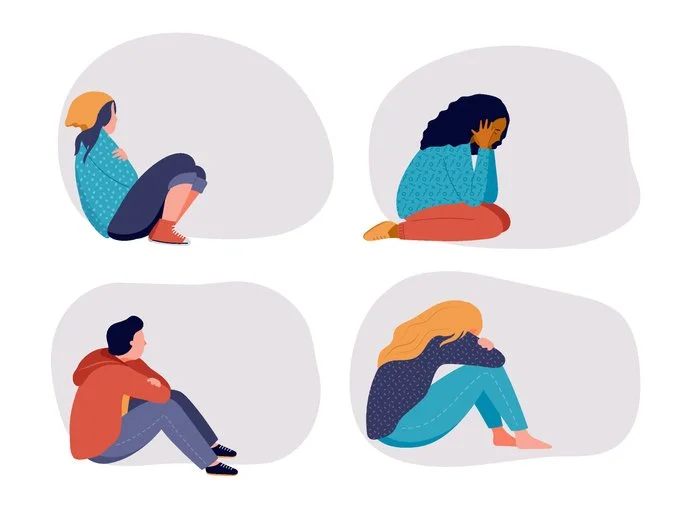
Worried and Watchful: 7 Strategies for Helping Neurodivergent Kids Manage Anxiety
 Most kids and adults just want their anxiety to go away NOW. As parents, we try to anticipate and cope with the fear of our child or teen by trying to protect them from the pain. I don't know about you, but this rarely worked in my family because the worries just came back. Instead, anxiety needs to be addressed head on. We have to teach our kids tools to cope with their own worries. Helping kids learn to manage anxiety will help them feel empowered and confident to take risks and meet unforeseen challenges.
Anxiety relief – beyond reassurance
Anxiety loves reassurance because it offers short-term relief from discomfort. However, telling kids that everything will be okay, or not to worry, only increases long-term anxiety. These reassurances don't work because you are not teaching the necessary coping skills your child or teen actually needs. Instead, everybody benefits when you take a different approach. Although it’s more useful to acknowledge their fears, validate their concerns, and brainstorm solutions–together, let's face it–this can be a tougher road to travel.
Neurodivergent kids: From anxious to resilient
Unlike nervousness, which goes away once a skill has been mastered, anxiety can take over a child or teen’s life. Worry differs from anxiety. Worry refers to how we think about something. Anxiety is a physiological response based on negative thoughts and distorted beliefs. We cannot eliminate anxiety; it’s a natural human response that’s evolved for survival. It thrives in the petri dish of natural child development and also in a culture that is obsessed with comparisons and instant gratification. Without useful self-management strategies, and unable to access the internal resources they need, anxious kids can freak out and refuse to do anything. However, they can learn to talk back to worried, negative thoughts. They can also practice relying on past successes for confident choices in the present. These strategies will help them learn how to tolerate the discomfort of not knowing. They can also learn to accept the possibility of disappointment. This is how neurodivergent youngsters develop the resilience that’s crucial for becoming a competent, successful adult.
How ADHD and anxiety differ and relate
 Despite misdiagnoses, ADHD differs significantly from anxiety. While kids with ADHD wrestle with organization, working memory challenges and impulse control, kids with anxiety struggle with compulsive, obsessive or perfectionistic behaviors, psychosomatic ailments and debilitating specific phobias. Issues related to food, housing or job insecurity, systemic racism or trauma further intensify anxiety. According to the CDC, approximately 7.1% of children aged 3-17 years old currently have an anxiety diagnosis. But, for 34% kids with ADHD, anxiety is often a frequent companion. Neurological patterns and executive functioning challenges make it harder for kids to manage big feelings. Plus, neurodivergent youngsters often miss visual or auditory cues or misread facial expressions. These challenges can foster social anxiety and social discomfort. Concerns about ‘messing up again’ amp up into persistent worry about the next time that they will (unwittingly) make a mistake, say an unexpected comment or forget something important.
How to respond to your kid's worries
Anxiety is a shape-shifter. Just when you think you’ve figured out how to deal with one issue, another one pops up. It’s like playing Whack A Mole. To avoid this frustration, you’ve got to step back. See how your youngster's anxiety operates, and don't react to the content.  It’s the reaction to the worry–not getting rid of it–that makes the difference. Dismissing concerns (“This isn’t that big of a deal. You’ll be fine.”) doesn’t honor the reality of their worry. It will grow. Reassurance (“Don’t worry, everything will work out.”) also doesn’t provide a lasting solution. That's because your teen learns to rely on other people making things okay for them, even though no one really can. Instead, validate their concern by saying, “You’re right to be scared. You’re not sure you can handle that. It’s natural to worry in that situation. What else could you say to yourself?” This lets them know that you heard their worry and acknowledge that it’s real, while simultaneously guiding them towards managing it. Practical tools for helping kids manage their own anxiety is what works best to reduce it. Here are 7 strategies to try.
7 Strategies to help neurodivergent kids manage their anxiety
1. Manage your own concerns first
Kids have incredible radar. They easily pick up when their parents are stressed or anxious, and it increases their own distress–consciously or unconsciously. The first step to helps kids manage their anxiety is to lower your own anxiety. Discuss your concerns with your partner, a friend, extended family member or counselor. Write these down, and then strategize responses or to-do action items for each by creating an Anxiety Decelerator Plan. This ADP will help you feel like you have some control. For instance, if your child needs more academic support, you can contact the school to set up a meeting.
2. Identify their worries
We can’t assist kids in turning down the frequency or intensity of their anxiety unless we know what’s causing it. Worried thinking and environmental triggers can set off children and teens. We want to stop this tumble. During your weekly or twice a week check-in meetings (these are a must), explore what might be uncomfortable or uncertain for them. Write these down. Pick one fear together to address first. When its volume is lower, you can pick another. Remember, people can really only change one thing at a time.
3. Change the relationship to anxiety
Think like Sherlock Holmes, and investigate anxiety like a puzzle. When, where and how does it show up? What are its triggers? Brainstorm with your teen what to say when worry arrives: “Hmm, that sounds like worry. What could you say to size it down?” In addition, separate anxiety from who your teen is. Many kids feel powerless about anxiety and benefit from redefining it as something distinct from who they are.
4. Stay neutral and compassionate without fixing
 Most of the time, your teen needs your support in thinking through responses to tricky situations, but not solving them. (Of course, there will be situations when you must intervene, such as cases of bullying, violence, academic failure or risky behaviors.) Kids of anxious parents are more likely to be anxious themselves. Monitor your reactions about your child’s anxiety, and refrain from discussing your concerns in public. React neutrally, regardless of their irritating, frustrating and sometimes scary behaviors. These behaviors are demonstrating how out of control your child or teen feels inside, which is why anxiety exists in the first place.
5. Start small to build confidence
Anxiety is great at erasing memories of past successes, which is compounded for kids with ADHD and their working memory challenges. Choose a goal that’s within reach, and work on taking a small step first. What would your teen want to do if anxiety wasn’t there? Help them recall times when they took a risk and succeeded. Then, discuss how those strategies can apply to this situation. Offer them language: “I’m willing to feel unsure. I can grab onto my courage and try this.” This helps calm the anxious brain.
6. Opt for curiosity over anxiety
It’s tough to stand in uncertainty, and, frankly, adolescence is filled with unknowns. Kids often feel a distinct lack of control in their lives, which fuels their anxiety. Instead of worried thoughts, though, you can assist kids to shift to curiosity. Where anxiety shuts youngsters down and predicts negative outcomes, curiosity opens them up to possibilities. Help kids manage their own anxiety by working with them to say: “I wonder about...” rather than “I’m worried about...”
7. Focus on building resilience
Resilience is the antidote to anxiety. When your kids identify strengths and people who care about them, and develop interests, they feel more confident. Find ways to connect on things that matter to them, like a favorite computer game or a funny YouTube video. Nurturing this connection will improve their willingness to work with you in tackling anxiety. 
Read more blog posts:
- How to Transform Anxiety in Kids with ADHD to Excitement
- Social Anxiety and ADHD: How to better manage anxiety with supportive planning and preparation
- Beyond ADHD Pandemic Burnout: How to help your family regroup and find strength
Watch on YouTube:
- How to Reduce Anxiety When Parenting Neurodivergent Kids
- How to End Your Teen's Compare & Despair
- ADHD Communication Tips: Conveying ideas, feelings & frustrations
Upcoming Live Webinar with Dr. Saline:

"Beyond High School Graduation: How to help neurodivergent teens prepare for their next chapter"
Wednesday, May 11, 2022, 7:15-8:45pm EDT
Sources: Centers for Disease Control and Prevention. (2022, March 4). Data and statistics on children's Mental Health. Centers for Disease Control and Prevention. Retrieved May 11, 2022, from https://www.cdc.gov/childrensmentalhealth/data.html. Centers for Disease Control and Prevention. (2021, September 23). Data and Statistics About ADHD. Centers for Disease Control and Prevention. Retrieved May 11, 2022, from https://www.cdc.gov/ncbddd/adhd/data.html.

ADDitude Mag - "Why Is Accepting Compliments So Difficult for My Child?"

"Your compliments are intended to convey your pride and enthusiasm about your son’s effort. He dismisses them because of shame, low self-esteem, and his overactive inner critic. If we can address these issues, it will be easier for him to accept your praise."
Read the full ADDitude article!
Q: “Why Is Accepting Compliments So Difficult for My Child?”
Article by Dr. Sharon Saline on ADDitude.com


Psychology Today: How Stress and Self-Sabotage Interfere With ADHD Happiness

"Do you notice that when you feel stressed from work, school, or relationships, some of your ADHD symptoms get more intense? When we are stressed, our weakest executive functioning skills are hit first. This means that you may feel flooded by anxiety or anger, or you may panic about estimating and managing time. Perhaps you distract yourself with everything but the task that is actually stressing you out.” Read the full article by Dr. Saline!
"How Stress and Self-Sabotage Interfere With ADHD Happiness"
By Dr. Sharon Saline on Psychology Today


Therapy for ADHD: 5 Tips for Finding the Right Therapist for a Child, Teen or Adult with ADHD
 Recently, I received an email from a mom whose 11 year old son was recently diagnosed with ADHD and dyslexia. She said, “I am trying to find someone for him to speak with. What should I be looking for in a therapist? I want to find someone that can explain to him what is going on in his brain and that there is nothing wrong with him. I’m not sure where to begin.” This is such an important issue, so I decided to write this article to help other parents and adults who are seeking therapy for ADHD. If you are looking for guidance and advice on how to find the best therapist match for you or your child, these tips are for you.
Taking the first step: acknowledgment
The first important step towards finding a therapist is acknowledging that you or your child need more support to manage work, school or daily life events. You may notice more times of sadness, anxiety or frustration. Or, you may be receiving feedback from the school that your child or teen is wrestling with completing schoolwork, making and maintaining friendships or having emotional outbursts. If you are an adult, you may find that you can’t make desired changes in your life. Or, perhaps you are using drugs or alcohol to cope with issues, or you feel lonely, disconnected and bad about yourself. Finding someone to talk to who knows about ADHD, understands executive functioning struggles, empathizes with your situation and works with you to find solutions can make things easier on all fronts.
What to look for in a therapist for ADHD
Your goal is to choose a therapist who doesn’t judge you or make you feel abnormal, but rather expresses empathy, listens to what you say, pays attention to nonverbal messages, and offers useful cognitive-behavioral, mindfulness interventions to improve daily functioning. Work with someone who can explain how your brain works and why self-regulation, disorganization, focus and initiation are common challenges when you live with an ADHD brain.
Knowledge and understanding about ADHD and co-occurring conditions
 Therapy for ADHD, whether for children, teens or adults, includes the assessment, diagnosis and treatment of ADHD. However, it also addresses the mental health conditions that travel with it. Whether it's anxiety, depression, an eating disorder, bipolar disorder, trauma, oppositional defiant disorder, self-harming behaviors or substance abuse, a well-trained therapist will differentiate between these issues. They will also use a variety of evidence-based modalities to create appropriate interventions.
A licensed therapist
Therapists are licensed by the state after years of training and internships. They are legally bound to adhere to state ethical and practice regulations. They're also trained to consider issues of race, gender identity, sexual orientation, socioeconomic status and religion that affect identity development, lived experience and emotional and behavioral management. Typically, they look at a person with a wide lens, which includes environmental, family and couples’ issues. In addition, they examine connections between feelings, thoughts, behavior and bodily health.
A seasoned therapist
A seasoned therapist takes in the whole person: what’s happening psychologically, relationally, and in their environment. Instead of asking, “What’s wrong with this child? Or what’s wrong with you,” they wonder about what’s happened in your life that has brought you here. They're curious about what’s going on in your present day experiences. They also plan how you can both work together to create a future that fits you and supports your authenticity.
What to expect in therapy for ADHD management and support
Although a crisis can be one type of motivator for wanting a therapist, some people seek therapy for ADHD in the pursuit of well-being and more satisfying relationships. Either way, when working with a child, teen or an adult with ADHD, the therapist has to do an intricate dance: They must move artfully between examining feelings, thoughts and behaviors while collaborating on interventions with the client.  Interventions take aim at issues of daily living that perpetuate the problems they came in for. In order for healing and change to occur, there must be a practical aspect to the work that improves executive functioning challenges, builds self-esteem, improves resilience and lowers stress. In addition, when working with children and teens, there has to be a family component to the therapy since kids don't live in a petri dish. They need their parents to help them develop the skills they need for maturity and independence. It's important to get a sense of what this piece of the work would look like.
Therapy for ADHD: 5 tips for finding the RIGHT therapist
To find a therapist who best fits your needs requires a thorough vetting process. Be prepared to interview a few people before finding the one who clicks. Follow these tips to help you along the way:
1. Reflect on what you are looking for
Forget about being shy. You are shopping for a service. Decide in advance how many people you are willing to try out. Do you want someone who is quieter and more introverted, or someone more dynamic and actively engaged? Male or female? Older or younger? Be precise about what you want.
2. Do your homework
Get referrals from your physician, friends or colleagues before talking with your insurance company. Make sure whoever you see takes your insurance, and that your insurance company has approved you to meet with a few different people. You may also want to be able to interview one or two people before making a decision.
3. Conduct a phone assessment before meeting
You want to get a sense of what therapy would be like with them. Do they use the past to help you master troubling issues in the present? What types of interventions will they use to assist you and/or your child in applying and practicing what we discuss in session? Make sure that you are also clear about the logistics of therapy, including their cancellation policy and financial arrangements. Ask questions such as:
- What type of training have you received about ADHD?
- How many clients with ADHD have you worked with?
- How would you describe your work?
- Do you think you are an active participant who speaks freely, or more of a listener who speaks occasionally?
- Do you coordinate with other professionals that might be involved?
- When and how do you elicit feedback?
4. Inquire about collaborating with coaches
Coaching can dovetail nicely with therapy for ADHD. For example, your son may be working on social anxiety and making friends in therapy. At the same time, he might be getting help from a coach for strategies to complete homework without tears.  Some therapists incorporate coaching practices into their work with clients by focusing on action-oriented techniques and forward-looking goals. They may apply classic cognitive-behavioral tools, such as making lists, trial-and-error experiments, or giving an assignment for the family to do in-between sessions. Coaches, on the other hand, are not supposed to use ‘therapeutic’ tools, techniques or interventions for the treatment of a mental health diagnosis. This is because they are not a licensed therapist. When a therapist and a coach work with the same client, it’s best if they coordinate what they’re doing and clarify goals with each other. This way, boundaries can be kept clean, and progress can be monitored more effectively.
5. Give the therapist a chance, and trust your instincts.
 The first few sessions of therapy are to get to know each other and see if you are a good fit. Prepare to share information about yourself, and ask them any questions you may have about them and their work. Meet alone with the therapist once or twice before introducing your child to provide adequate background information. Then, if necessary, go with them on their first session to facilitate introductions and discuss why you are there. If things seem especially awkward, and your gut tells you to continue looking, follow your instincts. Otherwise, if there's a natural flow of conversation, solid listening, pertinent questions and a positive connection, you might find the session going well. If that's the case, try returning for a second session and embark on the therapeutic process.
Read more blog posts:
- ADHD Misconceptions: How To Respond To 4 Damaging False Beliefs And Assumptions About ADHD
- The 4 Steps to New Habits with ADHD: Taking control of your routines to better meet your goals
- Emotional Wellness Strategies for Women with ADHD: How to reduce self-criticism & build self-confidence
Handouts, Webinars & More in Dr. Saline's Store:
- ADHD Webinar Recording: “Beyond High School Graduation: How to help neurodivergent teens prepare for their next chapter”

Helping your ADHD Teen Get Out of the “Compare and Despair” Trap: Strategies for Nurturing Self-Acceptance
 Can you think of a time when you compared yourself to others and felt good about yourself? How about a time when you felt like you didn’t quite measure up? Unfortunately, the latter is more common. We tend to compare ourselves to people whom we think are better or happier than we are, not worse. For kids and adults with ADHD who grow up as neurodivergent, outside-the-box thinkers, it’s common to doubt yourself and feel like you aren’t enough as you are. This unhelpful mode of thinking is called “compare and despair.” It’s the distress we feel when constantly measuring ourselves against others whom we perceive to be doing better than we are. This pattern of thinking often starts in adolescence, and, if left unchecked, holds people back from expressing their talents and reaching their full potential. Teens with ADHD are particularly susceptible to fall into this trap. At this developmental stage, they are naturally wrestling with reflecting on who they are and who they would like to become. That’s why it’s important for parents to catch the signs of compare and despair and gently guide your adolescent towards a different perspective: one that focuses less on scrutiny and more on personal value and strengths.
Measuring up to fit in
 Teenagers have a deep desire to fit in, be accepted and feel included, which is where the process of examining others and contrasting themselves begins. Adolescence is a period of growth and development, when children start forging their own identities instead of just being extensions of their parents. Teens observe and absorb how others dress, behave and function in their surroundings to figure out how they themselves should act and be in the world. They find themselves in adult bodies, but they still possess younger brains. For kids with ADHD, whose executive functioning skills can lag up to three years behind their peers, these gaps can be painfully evident. As adolescents examine their gender, sexual, racial and ethnic identity, they ask: “Who am I, where do I belong, what do I believe?” In the shifting process of pulling away from family bonds and moving into society at large, teens measure themselves against others as a way of beginning to answer these questions.
When social comparisons become unhealthy
 It’s natural to compare yourself to others and look for similarities and contrasts as part of identity formation. Comparisons can be productive. A teen with a healthy sense of competitiveness is motivated to do better at school or work harder at their sport. Social comparisons can be motivating and inspiring: “I’d like to sing as well as Kaia so I can be in the musical next year.” However, they can also be dispiriting and hopeless: “Since I’m never going to be as fast as Joaquim, or play on the A squad for soccer, maybe I should just quit the team.” Kids frequently vacillate between these poles. Teens are also bombarded with idealized images, videos and stories about success, social prowess and beauty standards on social media, television and print journalism. These are often exaggerated, purposefully altered or altogether fake. It can be hard to know whom to trust and what to believe–leaving your child feeling anxious and inadequate. In fact, using social media has been found to have a significant downside in terms of self-esteem, self-concept and well-being; resulting in envy, guilt, blame, lying and increased rates of depression. When comparisons lead to an unhealthy sense of self, unrealistic expectations and anxiety, it’s not only time for a reset, but it's also an indication that your teen may need support from a mental health provider.
ADHD teens and the compare and despair trap
“ADHD makes me feel short changed compared to others.”  The teenage years are tough for many. For teens with ADHD, this transition period can be even more difficult. ADHD teens deal with frequent negativity, lower self-esteem and higher anxiety than their neurotypical peers. That’s why they’re more susceptible to falling into the compare and despair trap. How much of this is due to ADHD, and how much of it is adolescence? It’s hard to tell, and there’s no clear answer. Teenagers who are already suffering from low self-esteem or depression are more likely to make frequent social comparisons. This is especially true for teens with ADHD, who have often received messages from a young age that being a different type of thinker was neither something positive nor to be admired. Therefore, your adolescent needs help learning how to see contrasts between themselves and others in a more positive light, with more curiosity and acceptance and less negativity.
How can you help your teen reduce compare and despair?
Here are 5 strategies for resetting unrealistic expectations and fostering self-esteem:
1. Identify islands of competency.
What does your teen like to do and feel good about doing? Nurture this so they spend more time doing it. Guide them towards paying as much if not more attention to their strengths than their challenges.
2. Notice what is going well–when, where, what and how.
Point this out to your child. Positive feedback is essential to developing self-worth. Acknowledge small wins and validate their efforts along the way. Nurture appreciation of what is working in your teen’s life.
3. Define true friends and identify who they are.
Talk about the differences between good friends, buddies and acquaintances. Explore the traits of a friend and name the people in their life who fit into these categories. Encourage your teen to spend more time with people who make them feel good about themselves and, if necessary, assist them in figuring out how to get together with them.
4. Pay attention to what triggers negative comparisons and address those.
It’s important to help your teen find ways to either avoid these triggers and/or respond differently. Limit time on social media or get rid of apps that make your teen feel bad about themselves. Make sure you address FOMO–fear of missing out: many kids want to keep social media apps because they fear exclusion even though the app has harmful effects on their self-worth.
5. Encourage self-acceptance.
Ideally you want your adolescent to accept themselves for who they are–warts and all–and to be their own person. Deep down, they want this too. Talk about the myth of perfection. No one posts a photo of themselves with unruly morning hair or a failing grade on their history paper. Explore with your teen the limitations of comparing their insides to other people’s outsides. You really can’t know what is going on under the surface for another person. Source: Monroe, J. (2019, January 4). The theory of social comparison and Mental Health. Newport Academy. Retrieved April 13, 2022, from https://www.newportacademy.com/resources/empowering-teens/theory-of-social-comparison/
Read more blog posts:
- 6 Helpful Tips for Dealing with Rejection Sensitive Dysphoria
- Perfectionism and ADHD: Why ‘good enough’ is better than perfect
- How to Nurture Connected Independence in Kids & Teens with ADHD: Parenting with the 5C’s Framework
Upcoming ADHD Webinar with Dr. Saline:
Handouts, videos & more in Dr. Saline's Store: https://drsharonsaline.com/product/home-seminar/ https://drsharonsaline.com/product/whats-up-with-all-this-anger/

Emotional Wellness Strategies for Women with ADHD: How to reduce self-criticism & build self-confidence
 March is Women’s History Month, a time to recognize and celebrate women’s strength, accomplishments and contributions. Women carry a lot on their shoulders–from family, community, school and work responsibilities to societal expectations around physical appearance and behavior. That's a LOT of pressure. Women with ADHD, and women who care for neurodivergent children, must deal with yet another layer of stress, anxiety and self-doubt. And all too frequently, women lack much-needed support. Moreover, women are often their harshest and loudest critics, making it all that much harder to feel good and empowered. Emotional wellness for women begins with learning to quiet that negative inner-voice and make more space for confidence and resilience.
The critical feedback loop in women with ADHD
 All too often, women with ADHD find themselves in a cycle of negativity. This self-critical feedback loop is hard to shake because the negative messages come from within. Women are often socialized to please others and take care of them–emotionally, physically and psychologically. Their self-worth is often feels tied to what people think about them and how many friends (real or virtual) they have instead of the uniqueness of their innate talents and personal traits. Women with ADHD, already sensitive to feedback or rejection, often interpret things more negatively and personally than the situation calls for. They are especially vulnerable to internalized low self-worth.
Change your relationship with the negative voice
 While it’s unrealistic to completely eliminate negative thinking altogether, you can learn to reduce the power it holds. This is crucial for fostering self esteem and resilience–two key issues for women. In order to reduce its power, you have to change your relationship to the negative voice. Point out that there is a difference between real life and the stories that you tell yourself about those events. These interpretations directly influence the way someone takes meaning from whatever occurred. Putting negativity outside of yourself reduces feeling wrong or bad. It also helps you acknowledge the critical feedback loops in your mind without being ruled by them.
Make space for confidence and resilience with a positive mindset
The most powerful tool women have to counter negative thinking is self-esteem. Confidence empowers you to make decisions, get through life’s ups and downs and recover after setbacks. So while you’re quieting your inner-critic, turn up the volume on the voice that nurtures you with kindness and support.
1. Identify limiting core beliefs and negative self-talk
 Find evidence that contradicts or supports those beliefs. Remember that no one is judging you as harshly as you judge yourself. Talk to people in your life who love and know you best, and get their perspective on all your best qualities. Consider asking them:
- "Which of my qualities are most meaningful to you?"
- "What do you consider to be my greatest talents?"
2. Separate feelings from being
Feeling bad doesn’t mean you are 'less than' or unworthy. It may be tough, but don’t allow these negative feelings to define who you are. Use self-affirming phrases such as:
- “Mistakes are how people learn, and you’re learning.”
- “Being wrong doesn’t mean you’re a bad person."
3. Create a few helpful phrases to say to yourself
Positive self-talk counter-acts that negative voice so you don’t have to believe it. Build confidence and quiet your inner critic with reminders of your strengths. Sample statements might be:
- “Everyone makes mistakes, including me. What can I do differently next time?”
- “There’s no such thing as perfection. It’s okay to stumble, just keep trying.”
4. Use a growth mindset approach
 Shift away from trying to prove your worth to others using false comparisons or judging yourself as 'less than.' Transition from seeing yourself in a negative light to practicing compassion and kindness toward yourself. This involves taking time for some self-reflection. We are all works in progress, learning and developing at our own speeds. Believe in the power of “YET.” Tell yourself:
- “I may not be able to do this YET, but I am learning.”
- "I might not feel ready YET, but that could change soon."
5. Practice healing meditations
Picture yourself in your “happy place.” Visualize the face of someone whom you love and trust. What supportive words would this person say to you? How would these words comfort and encourage you? Write these down, and meditate on these images and words whenever you need to heal or empower yourself. If you’ve been stuck in a pattern of knocking yourself down, learning to pull yourself back up takes A LOT of practice. Learning to control the volume on that negative voice is a life skill that sustains crucial resiliency and self-esteem. It’s one step at a time so stay patient and persistent!
Read more blog posts:
- Moms with ADHD: Nurturing your power of authenticity
- Reducing Regret as an ADHD Adult with the 4R’s
- Couples Living with ADHD: Healthy practices that focus less on fairness and more on companionship
Watch on Dr. Sharon Saline’s YouTube Channel:
- Moms with ADHD: Why YOU Are the Best Mother for Your Child | Parenting Q&A
- Re-Entry Anxiety in Adults with ADHD | ADHD Q&A
- How Do I Support My Daughter with ADHD? | ADHD and Girls Q&A
Handouts, Videos & More in Dr. Saline’s Store: https://drsharonsaline.com/product/harness-grit/ https://drsharonsaline.com/product/shame/

Reducing Regret as an ADHD Adult with the 4R's
 Do you live with regrets? Regrets for things that you’ve done or things that you wish you had tried? If so, you are in good company. Many adults with ADHD carry around feelings of sadness, remorse or disappointment over something that happened in their lives or something that they did. This regret often acts as a form of self-sabotage: it’s a way to put yourself down that prevents you from living more fully in the present. Since you can’t go back, what’s called for is learning how to accept your actions, forgive yourself for the mistakes you made and pursue opportunities or interests in new ways. In essence, pivot and focus on changing what you can and you'll start reducing regret and improving resilience.
Enduring the many challenges that come with ADHD
When you have ADHD, weaker executive functioning skills frequently show up in daily struggles with verbal or behavioral impulse control, emotional regulation, organization, planning, time management and setting and completing goals. When you wrestle with these challenges over time, it can seem impossible to break old habits and create newer effective ones. To make matters more complicated, you may also criticize yourself for times when you yelled inappropriately, showed up late to an important meeting, missed a friend’s birthday or made a joke that fell flat. Perhaps you’ve engaged in knee-jerk reactions that you wish you hadn’t and lost work or meaningful relationships as a result. Shame and blame quickly set in and band together to lower your self-esteem and your confidence. Now you are living with intense, negative self-talk that seems impossible to change.
Reducing regret with the 4R's
 As adults, though, you can change your behavior by mindfully adopting new skills that create new neural pathways to offer you choices instead of reflexively reacting. Over the years, you, like many others, probably learned to hide your vulnerability underneath defensiveness and anger. What you need are new tools to tolerate your big emotions, manage hurt and disappointment and stop being your own worst enemy It’s not easy, but it is possible to stop “horribilizing” the events in your life and your own actions and start “efforting:” taking incremental, small steps toward doing more of what works. Focusing on the 4R's can help you reduce regret, nurture resilience and rebuild self-compassion.
The 4R's for reducing regret:
1. Radical awareness:
Look at thwarted dreams or disappointing actions and name them. Track when, where and how pessimistic or antagonistic thoughts arise.
2. Recognize:
Identify what was going on in your life at that time. Consider environmental, psychological, social, school, work or family factors.
3. Repair:
Ask yourself what it might take to restore a relationship or situation. How can you make amends, listen to feedback with more interest and neutrality and be (more) accountable?
4. Reconfigure:
Based on comments from others and your own assessment of yourself, reflect on how you can alter reactions or behaviors that hold you back from creating satisfying connections or achieving personal goals. Work on shifting just one thing: something you’ve adopted over time that gets in your way or hurts others. This can be intentional or not. Don’t try to change your whole personality: that’s neither realistic nor achievable. Instead, keep it small and doable.
Reshaping regret takes time, practice and forgiveness
 Regret is a very powerful pattern to reshape. Changing it takes time and practice. Taking responsibility for your part with honesty and humility reduces shame and blame and leads to personal empowerment. It can be tough to be honest with yourself without judgment or to share your feelings and be vulnerable. That’s natural. Take it slow, and start with small things. Notice and validate your efforts by writing down at least one way that you responded differently each day–what went well. Focus on nurturing compassion for yourself, and start the progress of forgiveness–for yourself and towards others. Remember, we all do things we wish we hadn’t when we lack the personal or socioeconomic resources to make different choices in a given moment. Now you are shifting to new patterns of creating healthier coping strategies and living without less regret.
Read more blog posts:
- Taming Emotional Triggers with an ADHD Brain: How to understand big feelings and respond differently
- ADHD and Self-Sabotage: 6 supportive strategies to help you feel more confident and reach more goals
- Family, Forgiveness and ADHD: Loving and letting go, during and beyond the holiday season
Watch on Dr. Sharon Saline's YouTube Channel: https://youtu.be/AZGrbNjUGlo Handouts, Videos & More in Dr. Saline’s Store: https://drsharonsaline.com/product/shame/ https://drsharonsaline.com/product/whats-up-with-all-this-anger/

Psychology Today – Hyperfocus and ADHD: Productivity Superpower or Kryptonite?
New Psychology Today Article by Dr. Sharon Saline
Four strategies for understanding and managing hyperfocus successfully.
"Are you ever so engrossed in an activity that time seems to stop and nothing can tear you away? Does it ever seem like you lose a sense of where you are and what’s happening around you? This can be the experience of hyperfocus for many people with ADHD. Hyperfocus is defined as “a phenomenon that reflects one’s complete absorption in a task, to a point where a person appears to completely ignore or ‘tune out’ everything else.” Read the full article by Dr. Saline!

ADDitude Mag - "Working Memory vs. Short-Term Memory: What’s the Difference?"
"While there’s some debate in the field about this, it’s generally held that short-term memory is super quick: It stores information briefly. Working memory is related to short-term memory, but it lasts slightly longer and is involved in the manipulation of information."

ADHD and Bullying (Part 2): How you can prepare kids to support victims of bullying as helpful upstanders
 When it comes to bullying, there are two responsible parties: the bully and the bystander. Bystanders, or “onlookers,” are people who witness bullying behavior and allow the bully to continue by either encouraging it or saying nothing. The unspoken and often unconscious support of the non-aggressive majority–the bystanders- empowers the bully. Therefore, the bystander has a great deal of power and responsibility to intervene and stop the harassment. In part 1 of the ADHD and Bullying series, we learned that neurodivergent kids are sometimes a bully's target, and other times may bully others. Here, we’ll explore how they can stop being bystanders and instead become upstanders by helping victims of bullying.
Why bystanders do nothing
“In the end, we will remember not the words of our enemies, but the silence of our friends.” – Martin Luther King Jr.  All too often, bystanders who witness bullying know that it’s wrong and feel guilty for not acting. Yet, they still don’t do anything to stop it. They recognize that the bully is in the position of power and are tempted to participate, feeling relieved that they themselves are not the victim. This is especially true for neurodivergent kids who may frequently find themselves on the receiving end of harassment. Additionally, it’s likely that multiple bystanders are witnesses to any given incident of harassment. People can go along with a group decision or action against their own better judgment or values. In a group, people are often less empathic and caring than they are individually. So, what’s motivating them to side with the bully instead of the victim? Most often, it’s fear. Fear of:
-
- Being hurt themselves if they defend the victim
- Becoming the bully’s next target
- Doing something that will only make the situation worse
- Not knowing what to do or whom to ask for help
- Having a reputation for being a “tattler”
Fortunately, we can overcome these fears. Once we understand why we’re afraid to act and the consequences of not stepping in to help, it’s easy to find the courage and compassion to do the right thing.
Why it’s important to help stop bullying
 Kids who get bullied may eventually become bullies themselves, perpetuating the cycle of cruelty. Therefore, taking measures to stop bullying incidents is an important step in breaking this cycle. Most bullying happens under the radar of adults, either at school, in the neighborhood, or online. Kids don’t want to report it because of the enormous stigma attached to being a “tattle”–someone who tells a responsible adult about something in order to get someone in trouble. Cyberbullying has become a serious risk linked to psychological problems in adolescents. Kids and teens who have been cyberbullied reported higher levels of depression and thoughts of suicide, as well as greater emotional distress, hostility and delinquency compared with peers who were not. Students most often report physical appearance, race/ethnicity, gender, disability, religion, and sexual orientation to be reasons for being targeted by bullies. (National Center for Educational Statistics, 2019)
Recent statistics on bullying illustrate the extent of the problem:
-
- One out of every five (20.2%) students report being bullied (National Center for Educational Statistics, 2019 ).
- 41% of students who reported being bullied at school indicated that they think the bullying would happen again (National Center for Educational Statistics, 2019).
- 49.8% of tweens (9 to 12 years old) said they experienced bullying at school and 14.5% of tweens shared they experienced bullying online (Patchin & Hinduja, 2020).
However, there is encouraging data, too. School-based bullying prevention programs decrease bullying by up to 25% (McCallion & Feder, 2013). Families can support schools’ anti-bullying education by having conversations about bullying at home. Making students aware that there are better alternatives to being bystanders is an important part of raising healthy, resilient kids. It also contributes to a safer and more supportive community, in which they can thrive.
How to teach kids with ADHD to become helpful upstanders for victims of bullying:
 We can teach children and teens to recognize when they find themselves in the role of onlooker. We can help them overcome their fears and encourage them to take action. Kids with ADHD know all too well how bad it feels to be taunted and feel helpless. So, helping neurodivergent kids identify these feelings is the first step in harnessing their empathy in support of their peers. Encourage your child to recognize situations in which they are bystanders. Ask them to reflect on their feelings about what they see. Assure your child that parents, teachers and other caring adults can help and support them. Adults can recommend safe ways for them to prevent, intervene or address bullying. Most importantly, tell your child how proud you are of them when they show compassion and help targets of bullying. Help them identify the positive emotions resulting from their good deeds. Bystanders can become upstanders through prevention and intervention measures.
Prevention steps include:
-
- Being inclusive by welcoming others to join their activities and groups
- Being a role model for pro-social behavior by showing kindness, respect and empathy for others
- Walking or sitting with vulnerable kids who may be targets of bullying
- Getting involved with bullying prevention efforts at school or in the community
Interventions during a bullying incident may include:
-
- Defending the target of the bullying verbally or by physically standing near the victim
- Intervening as a group
- Changing the subject
- Questioning the bullying behavior
- Using humor to lighten up a serious situation
- Openly stating an objection to bullying
- Stating approval of the victim and validating his or her social status
Address bullying after it happens by:
-
- Reaching out privately to the target of the bullying to express support and concern
- Inviting the target of bullying to walk to school/class with you
- Offering to sit next to the target at lunch or on the bus
- Reporting the bullying to a trusted adult, parent, teacher or school administrator
- Reaching out privately to the person doing the bullying to express concern, if they feels safe to do so
- Enlisting the help of other kids who dislike the bully. As they say, “there’s power in numbers”
Helpful Resources:
If you'd like addition information and support on bullying prevention or intervention, here are a few recommended resources: 
Articles:
-
- Assistant Secretary for Public Affairs (ASPA). (2021, May 21). Bystanders are essential to bullying prevention and intervention. StopBullying.gov. Retrieved from https://www.stopbullying.gov/resources/research-resources/bystanders-are-essential
- LGBTQ+ bullying. LGBTQ Bullying | STOMP Out Bullying. (n.d.). Retrieved from https://www.stompoutbullying.org/lgbtq-bullying.
- Roberts, M. (2020, August 26). CDC releases National Youth Risk Behavior Surveillance Results. HRC. Retrieved from https://www.hrc.org/news/new-cdc-data-shows-lgbtq-youth-are-more-likely-to-be-bullied-than-straight-cisgender-youth.
Organizations & Websites:
-
- STOMP Out Bullying: https://www.stompoutbullying.org/
- StopBullying.gov. | Health Resources and Services Administration (HRSA) https://www.stopbullying.gov/
- PACER's National Bullying Prevention Center: https://www.pacer.org/BULLYING/
- The Human Rights Campaign: https://www.hrc.org/
Read more blog posts:
- ADHD and Bullying (Part 1): How to help kids with ADHD recognize, respond to and prevent bullying
- Social Anxiety and ADHD: How to better manage anxiety with supportive planning and preparation
- ADHD, Emotional Regulation and Managing Family Conflict: Replacing Time-outs with Time-in or Time-apart
Watch on Dr. Saline’s YouTube Channel:
Deeper Dive in Dr. Saline’s Store: https://drsharonsaline.com/product/motivation/

ADDitude Mag - Q: “Fear of Failure Holds Me Back. How Do I Let Go of Past Mistakes?”
“When you make choices that hold you back in any way, what you’re really doing is depriving the world of the uniqueness that is you. Risk is an inherent part of life – and you can’t live a full life where you’re not taking risks and sharing all you have to offer with others.”

ADHD and Bullying (Part 1): How to help kids with ADHD recognize, respond to and prevent bullying
 Sadly, it's all too common that neurodivergent kids to experience some level of teasing, taunting or bullying as they grow. Despite anti-bullying policies in schools and best efforts to raise awareness, kids with ADHD will likely find themselves as victims and/or aggressors at one time or another. Children and teens may not realize when they’ve crossed the line from gentle ribbing into full-on bullying. What may start out as playful interactions may quickly snowball into a serious problem. Kids with ADHD already wrestle with impulse control, emotional regulation and social relationships. Therefore, it's especially important for them to understand the differences between teasing and taunting. In addition, it's important for them to grasp the limits of appropriate and inappropriate behaviors. These children and teens will greatly benefit from learning practical tools to use in challenging peer situation based on direct instruction, empathic inquiry and collaboration.
Teasing vs. Taunting
 Teasing is a light, fun thing you do with friends or family—people you care about—without malice. Taunting, however, is a form of bullying. It’s something you do to someone you don’t like, is intentionally harmful, and involves humiliation, cruelty or bigotry. In teasing, you are laughing WITH the person; in taunting, you are laughing AT the person. Let’s consider some examples:
-
- Teasing: Giggling at your sibling’s “impressive case of bed hair”
- Taunting: Calling a classmate “fatso” or using other derogatory names
-
- Teasing: Friends in advanced math class calling each other “dork” or “nerd” because they like solving tough calculation problems
- Taunting: Making mean, derogatory remarks about someone’s accent or manner of dress
Teasing is often done with humor, is reciprocal, doesn’t affect self-esteem and will stop when it is no longer fun. Taunting, on the other hand, involves ill will and continues or even escalates after the recipient is hurt or asks for the taunting to stop.
Bullying: Intent and Types
 Bullying is the intent to hurt or intimidate someone whom the bully perceives as weak, vulnerable and unable to defend themselves. It is a repetitive, purposeful, aggressive activity meant to cause harm or fear through the threat of further hostility. Bullying takes different formats: physical aggression (hurting people physically) and relational aggression (starting rumors, exclusion, spreading gossip, taunting and getting people to “gang up” on others). Social media, 3-way phone calls and emails can perpetuate relational aggression. In addition, 24/7 digital connectivity can cause someone to feel like there is no safe space for them.
ADHD and Bullying
 Often, the roles of bully and victim are fluid. Kids who feel insecure or different from others are more likely to be aggressors at one time and then victims at another. Children and teens with ADHD may become easier targets for bullies due to certain behaviors they tend to exhibit. These include impulsiveness, clumsiness, social anxiety, academic struggles and awkwardness. They may also be less awareness about personal space, boundaries and social cues. For instance, kids with ADHD may have greater challenges navigating awkward conversations and reading body language, or they may struggle with identifying when they are in danger of being targeted or attacked. However, the very same impulsivity and socials challenges that make kids with ADHD more likely to be targets of taunting may also lead them to take out their frustrations on others and become more aggressive. As a result, they could become bullies themselves.
Why Do Kids Taunt Each Other?
It’s crucial to understand the underlying causes of bullying in order to respond effectively. Bullying is often about power struggles and the need for some kids to come out on top, regardless of the consequences. Although bullies are the clear aggressors, it's important to note that "bystanders" (those who stand by and allow the bullying to take place without helping) are just as responsible. Bystanders enable and empower the aggressor to do harm. Although they may not be doing the tormenting with their own words or actions, bystanders are just as complicit. Their motivations are also just as complex. (Learn more about bystanders in next week's blog post - ADHD and Bullying, Part 2!)
The most common causes of bullying are:
- A desire to fit in with/be accepted by "cool" or "popular" kids - "I want to be liked"
- Peer pressure - "If others are doing it, I can too"
- A defense mechanism - "If I bully others, others won’t bully me"
- Way to increase social status - "I feel stronger/smarter/better when I put others down"
Tools for Kids and Teens to Respond to Bullying
 If your child is being bullied, you can teach and support them with these effective interventions: 1. Encourage your child to speak up for themselves in non-provocative ways to assert strength. 2. Remind your child that they are not alone, despite feeling picked on or even isolated. Point out their true friends, and encourage them to spend time together. For younger children, facilitate these meet-ups; for older ones, brainstorm possible ideas. 3. Explore ways for your child or teen to engage the assistance of their true friends in times of need. This can be valuable in tricky social situations that may be potential environments for bullying. Furthermore, discuss techniques and exact phrases to use to extricate oneself from an uncomfortable situation. Use role-play to practice them. 4. Assist your child or teen in monitoring their own behavior. Their actions might unknowingly be provoking negative responses from others. On the other hand, it may be aggressive in some way. Help them build self-awareness about statements, actions or facial expressions that might be misinterpreted as hostile. 5. Talk with teachers about facilitating connections through school collaborations on projects or seating near like-minded individuals. Engage the school's assistance in fostering positive connections, and make sure they are aware of the social dynamics your child is facing. 6. Create a safety plan that details what to say or do when bullying occurs in person or online. This plan should include: who to talk to (a friend or adult), where to go at school (the office of the nurse or counselor), what to do that is self-protective but not retaliatory, and how to minimize reacting.
More Confidence, Less Conflict
 Having a strong sense of self will not only prevent your child from becoming a bully, but will also allow them to respond effectively if others bully them. Nurture self-confidence in your child or teen by identifying interests and capabilities. Help them learn to develop skills and pride in these areas. Be sure to acknowledge their efforts as well as their accomplishments. Furthermore, stay compassionate and steady in your relationship. Your connection strengthens the internal resources necessary to weather painful, peer social dynamics. These are the key nutrients that help grow self-worth and defend against the cruelties of taunting and bullying.
Helpful Resources:
If you'd like addition information and support on bullying prevention or intervention, here are a few recommended resources:
Articles:
-
- Assistant Secretary for Public Affairs (ASPA). (2021, May 21). Bystanders are essential to bullying prevention and intervention. StopBullying.gov. Retrieved from https://www.stopbullying.gov/resources/research-resources/bystanders-are-essential
- LGBTQ+ bullying. LGBTQ Bullying | STOMP Out Bullying. (n.d.). Retrieved from https://www.stompoutbullying.org/lgbtq-bullying.
- Roberts, M. (2020, August 26). CDC releases National Youth Risk Behavior Surveillance Results. HRC. Retrieved from https://www.hrc.org/news/new-cdc-data-shows-lgbtq-youth-are-more-likely-to-be-bullied-than-straight-cisgender-youth.
Organizations & Websites:
-
- STOMP Out Bullying: https://www.stompoutbullying.org/
- StopBullying.gov. | Health Resources and Services Administration (HRSA) https://www.stopbullying.gov/
- PACER's National Bullying Prevention Center: https://www.pacer.org/BULLYING/
- The Human Rights Campaign: https://www.hrc.org/
Read more blog posts:
- Social Anxiety and ADHD: How to better manage anxiety with supportive planning and preparation
- Gender, Sexuality and ADHD: Parenting Children and Youth with ADHD Exploring Their Gender and Sexual Identity
- Tips for Neurodiverse Social Communication: Engaging in more enjoyable and effective conversations
Watch on Dr. Saline's YouTube Channel:
Deeper Dive in Dr. Saline's Store: https://drsharonsaline.com/product/whats-up-with-all-this-anger/ https://drsharonsaline.com/product/home-seminar/

ADDitude Mag - When Perfectionism Stems from ADHD: Challenging the Fallacy of “Not Good Enough”
When Perfectionism Stems from ADHD: Challenging the Fallacy of “Not Good Enough”
"Perfectionism, when unhealthy, drives a person to exhaustion striving for a flawlessness that’s neither reasonable nor healthy. Though it may seem contradictory, perfectionist traits may stem from ADHD — an overcompensation for past errors or for feeling “not good enough.” Letting go of perfectionism does not mean eliminating worries around mistakes, failure, and judgment, but rather accepting that they are part of life — and one that can help us grow."

ADHD and Self-Sabotage: 6 supportive strategies to help you feel more confident and reach more goals
 Self-sabotage is the negative self-talk that prevents us from believing we can do things. It can be conscious or unconscious and can keep us from setting, working towards and reaching our goals. It holds us back from doing what we want to do. Low self-esteem and unfounded beliefs about being deficient, not good enough, incapable or unintelligent contribute to self-sabotage. These deep-seated, limiting core beliefs fuel fears about performance and result in procrastination or avoidance. If left unchecked, this can lead to general anxiety, social anxiety and depression. That’s why it’s so important to counter negativity with encouragement, support and self-love.
Self-Sabotage and ADHD
 Feelings of shame and self-doubt often surface early on for those with ADHD. The shame about not being able to succeed at school or handle tasks as well as others starts early in life and continues into adulthood. Children with ADHD feel “different” from their peers, which may fill them with increasing feelings of nervousness, doubt and uneasiness. Over time, personal vigilance grows into anxiety about messing up and not measuring up. Embarrassment and shame lead to a desire to avoid that insecurity and pain at all costs. Attempts to avoid pain or embarrassment often manifest as self-sabotaging behaviors.
Signs of Self-Sabotage
There are a number of behaviors and modes of thought which are indicative of self-sabotage. Take a little time to self-reflect and determine whether you are negatively affected by the self-sabotaging indicators below:
- Avoidance: Staying away from people or situations that cause discomfort
- Procrastination: Putting off getting things done because of a fear of failure
- Fixed mindset: Believing that you can’t change and your abilities will not improve; blaming and shaming yourself for mistakes you may have made
- Exercising control over others: Attempting to control others’ behaviors or situations that seem uncertain and provoke your anxiety

- Pleasing others at your own expense: Making choices to be accepted or liked by people, even if they go against your values or better judgments; depending on others for validation and approval
- Engaging in risky behaviors: Harming yourself through substance abuse, gambling, sexual promiscuity, cutting, eating disorders, etc.
- Using “Compare and Despair” to your own detriment: Looking at what others do, and comparing yourself negatively to them
- Perfectionism: Trying to control outcomes as a way to manage anxiety; "letting perfect be the enemy of good enough"; needlessly getting caught up in the weeds or building obstacles where they don't need to be; looking for the one perfect solution instead of taking steps forward, even if not under ideal conditions
Tools to Address Self-Sabotage
Even though it may seem like self-sabotage is a lot to deal with, it is possible to manage and even overcome self-sabotaging tendencies. Some approaches, like Cognitive Behavioral Therapy (CBT), are longer term treatments. But there are several tools and mindful awareness exercises you can practice any time to help manage self-sabotaging thinking day-to-day.
1. Establish healthier alternatives to limiting beliefs, negative self-talk and safety-seeking behaviors
Practice mindfulness by focusing on being present and aware of your thoughts instead of letting preoccupation and worries what other people think about you distract you. Pay attention to what’s happening around you in the present moment instead of noise in your head. 
Sometimes we find ourselves being pulled into a cycle of negativity, worry, predicted failure or harsh self-judgment. In these cases, reverse course by slowing down and identifying any negative beliefs. Recall positive outcomes that have occurred before, and remind yourself that they are possible again. Encourage yourself to power through.
“If I get stuck, I sometimes do better if I can commit to starting and working on a task for 15 minutes. It is good to negotiate with yourself, and build in rewards for following through."
2. Identify phrases of self-sabotage, and create rebuttals
When your “negative brain” tells you, “You’re not good enough, why bother?” train your “positive brain” to answer, “Don’t underestimate yourself–give it a try and see what happens!” Create your own list of encouraging phrases to use when you want to cut the negative self-talk short. Remember, you are not your thoughts, but you are the one who is aware of them. You can choose not to believe them or push them back with the power of positive thinking. This takes work and a lot of practice, so expect yourself to stumble and have setbacks. Forget about “compare and despair,” and looking sideways at what others are doing. Instead, look at where you’ve come from and where you want to go. “When my brain is working against me, I find ways to increase dopamine or just rest if that is really what I need and eliminate the perceived judgment of other people.”
3. Set small behavioral goals that are low risk experiments to build confidence
 These are learning experiences that test/defy those negative self-beliefs. Take a measured risk based on previous successes. For example, if you are anxious about attending a social gathering, set a small goal for yourself, such as “I’m going to smile at new people.” Once you’re comfortable with smiling, take it up a notch with a goal such as “I’m going to talk to 1-2 people standing alone” or “I will focus on the conversation in the moment and make a reflective or topic-related comment.” Afterwards, assess how the situation went and how you felt. Did you have conversations that may have been awkward but weren’t damaged by them? Write a journal entry or voice memo about your experience and what you learned from it.
4. Adjust expectations to include the natural stumbles of being human; separate your ADHD brain from your character
Because of your ADHD, your thoughts may have a tendency to run away from you, making them harder to get back and control. Train your attention to move away from negativity and internal noise. We can’t turn off these thoughts entirely, but we can lower the volume on them and see them as background noise. You’re only human, so you will make mistakes and feel awkward time-to-time. Your ADHD brain may make things tougher to manage, but you are still a good, worthy and capable person who has a lot to offer. “ADHD doesn’t make me less of a person or less valid. It makes me a different sort of person who is still valid and valuable.”
5. Use a growth mindset approach
 Shift away from trying to prove your worth to others using false comparisons or judging yourself as less than. Transition from seeing yourself in a negative light to practicing compassion and kindness toward yourself. We are all works in progress, learning and developing at our own speeds. Believe in the power of "YET." Tell yourself, “I may not be able to do this YET, but I am learning.” Practice kindness and patience towards yourself.
6. Healing meditation
Picture yourself at a beautiful spot outside. Visualize the face of someone you really love. What encouraging words would this person say to you? How would these words comfort and encourage you? Write these down, and meditate on these images and words whenever you need to heal or empower yourself. Living with ADHD means experiencing moments when you’re aware that you are struggling or have messed up, but you don’t necessarily know why or how to fix it. This can develop into persistent worry and self-sabotage, and this anxiety can overpower us. Focus on building up your reserve of positive experiences, and, in turn, you’ll begin to minimize those pesky negative thoughts. A combination of CBT and mindful awareness practices can help. And, if we go back to basics, self-care is a powerful antidote to self-sabotage. So remember, be kind and loving toward yourself today and every day.
Read more blog posts:
- Perfectionism and ADHD: Why ‘good enough’ is better than perfect
- Productive Procrastination and ADHD: How to stop running in place and start tackling your goals
- New Year, New Habits, Same ADHD: How to plan for and maintain new habits together, as a family
Watch on Dr. Saline’s YouTube Channel: Stop the Self-Sabotage: How to Support Yourself with Love https://youtu.be/nphiSl0ka30 Deeper Dive – Dr. Saline's Store: https://drsharonsaline.com/product/harness-grit/ https://drsharonsaline.com/product/anxiety/

Psychology Today: ADHD and Self-Awareness
How to improve metacognition and nurture resilience.
"Do you ever struggle with evaluating how you are doing in real-time and pivoting appropriately? Metacognition, also known as self-awareness, is a key executive functioning skill that coalesces in the late twenties for people with ADHD. It refers to processes related to understanding your thinking and thought processes to improve learning and performance. It’s a way to think about your thinking." Read the full article by Dr. Saline!

ADDitude Free Download: The Eisenhower Matrix for ADHD Decision-Making
The Eisenhower Matrix for ADHD Decision-Making
The Eisenhower Matrix is a simple, effective decision-making tool for determining which tasks deserve our immediate action, our long-term attention, our delegation skills, and our circular bins.
What Is the Eisenhower Matrix?
"It’s human nature. When a fire sparks up, we drop everything to fight it. But in our ADHD lives, there are little fires everywhere. And we get so busy extinguishing flames sometimes that we can spend a whole day — maybe a week — spinning around and around in a mess of fire retardant. We’re exhausted but have nothing to show for our time or energy. If this sounds familiar, let me introduce you to the Eisenhower Matrix, a decision-making tool devised by the 34th President of the United States — a five-star general who accomplished a dizzying amount of important work in his two terms. Use the chart below to help determine which flare-ups could be delegated or ignored, and which ones actually deserve your precious attention."

ADDitude Webinar Replay - Perfectionism and ADHD: Making ‘Good Enough’ Work for You
Access the recording of the ADDitude webinar by Dr. Saline on 1/19/22:
"Perfectionism and ADHD: Making ‘Good Enough’ Work for You"
Get access to the webinar replay! "In this webinar, Dr. Sharon Saline will explain how to stop setting unreasonable standards, engaging in negative comparisons to others, and criticizing yourself for living with ADHD. You will learn how to understand and manage the root causes of perfectionism, examine the role of imposter syndrome, decrease negative self-talk, and increase your capacity for personal compassion. You will understand how to improve executive functioning skills related to procrastination and productivity, stop reflexive shame, and create techniques for managing stress. With these resources, you’ll begin to nurture the essential resilience of a growth mindset and accept yourself as you truly are — perfectly imperfect." In this free, hour-long webinar, you will learn to:
- Understand the relationship between anxiety, perfectionism, and ADHD
- Improve executive functioning skills related to procrastination and productivity
- Set realistic expectations based on previous successful experiences
- Develop techniques for addressing imposter syndrome, fear of failure, and shame
- Increase the capacity for mindful self-compassion and self-acceptance

ADHD Essentials Podcast: Managing Lingering Pandemic Anxiety with Dr. Sharon Saline
Dr. Sharon Saline joins Brendan Mahan, M.Ed., M.S. on the ADHD Essentials Podcast!
 "In this episode, Dr. Saline and [Brendan] talk about the effects of the pandemic on children and families. We discuss the data on mental health pre- and post-pandemic, moral injury, the effect it is having on social skills, and ways to manage the anxiety we're all experiencing." Listen to the episode below, or click here to listen at adhdessentials.podbean.com.