

22 News Mass Appeal: How to have conversations about race and beliefs with your children

- Discuss your beliefs as a family
- Outline safe and appropriate guidelines for expressing your views and supporting others
- Encourage accountability and collaboration
Click logo below to read more.


22 News Mass Appeal: Self-care tips to reduce stress and anxiety

Full Prefrontal Podcast: Ep 112 Dr. Sharon Saline – Counterbalancing Patterns of Failure

Click the logo below to listen.


Want a summer of sanity? Here are five tips for living better with your ADHD kids today!

 With some schools already closed and others finishing up for the summer, parents of kids with ADHD are all asking the same question: What do we do now? Most in-person camps and activity programs have been cancelled and many families have lost necessary childcare, much-anticipated vacations and fun social gatherings. Instead, you are facing weeks of more time spent sheltering-in-place, supervising your children and teens while trying to work from home or scrambling to find safe alternatives so you can go to your job. You’re tired, they are bored and everyone is frustrated. What are your options for salvaging your summer? Before doing anything else, offer empathy to your kids for their disappointment. They’ve lost a lot and kids with ADHD, who tend to have a low frustration tolerance anyway, are particularly worn down. They can be more reactive, less cooperative and increasingly discouraged about their isolation from friends and family. Children and teens are fed up and you are the likely target. The more you try to enforce safe guidelines for preventing exposure to COVID-19, the angrier they can get. They just want it to be over. Other kids are very anxious about re-connecting with the outside world in spite of taking adequate safety precautions. Listen to their concerns and opinions, validate their experiences and acknowledge their positions. When kids feel seen and heard, they are much more willing to work with you rather than against you.
  Collaboration and consistency are the keys to a successful summer for all of you. When you work together on brainstorming ideas, try out possible solutions and aim for steadiness rather than perfection, you can make this challenging situation work. Set up a time for a weekly family check-in. It doesn’t have to be long but everybody needs to participate. Motivate reluctant teens to join you by offering this as a solution to unwanted conflict and ‘nagging.’ These discussion will give you a space to review what’s been happening and tweak plans instead of dealing with spontaneous arguments where nothing can be reasonably discussed. Now that you’ve got that piece in place here are five tips for your transition to summer:
- Create a daily routine: Divide the day into chunks of time and allocate these
 periods to various activities including exercise, projects, screen time and rest. Include meals and snacks. This doesn’t have to be rigid but it needs to be consistent. Think like a camp counselor. For example, maybe there’s wake up by 9, breakfast, getting dressed, activity period #1, snack, activity period #2, lunch, quiet time for reading or listening to music--something that promotes calm, activity period #3, screen time, dinner, family game or television show, bath or shower, pajamas and lights out by 10.
 - Use guided free choice: Give the choice between 2 options during the activity periods that you come up with together. When kids with ADHD can make decisions about what they do, they feel more empowered and have more buy-in. Generate a list of possibilities and then assign two to each activity period. Ideas can include: projects they can do with their hands including crafts, building models or constructing a fort, riding bikes, gardening or just playing in the yard, making a movie, recording a song, playing music, any sports, drawing, painting something including a piece of furniture for fun, cooking, taking action to help others, interactive screen time like visiting a museum, zoo or aquarium, doing puzzles, playing with building blocks or Lego, online games like Fortnite or Dungeons and Dragons, etc. Stick with what engages them and schedule their screen time for the afternoon as much as possible. This is when kids tend to flail around the most, especially as their medications wear off.

- Worry less about the ‘summer slide’: Your son or daughter needs a break from school for the next few weeks. They’ve been slogging through with online learning that’s probably been unpleasant and difficult for them. Take a month off. While reading texts and writing messages may seem fruitless, kids are still reading and writing. You can put free reading into the daily schedule and let them pick the materials including the sports page in the newspaper, graphic novels or any text of interest. Maybe they like to play Soduku or do word searches. These are all ways that they are using academic skills. After they’ve had enough time to recover, if you want to add some studying time to the summer schedule you can but keep it limited to a few times per week for no more than two hours.
- Foster family technology and/or social media breaks: If you don’t put your phones or computers down, your kids won’t either. They will call out your “hypocrisy” and get angry that you can answer your phone or be online and they can’t. If you must leave your device on for work emergencies, then make that very clear and keep it on vibrate in your pocket. Figure out a time each day or each week when everyone goes screen free. Meals are a good place to start. The goal is to create a family ritual that encourages engagement away from texting and social media.
- Arrange and discuss safe social interactions: Kids with ADHD need very
 explicit guidelines for practicing social distance with peers and family members. Take a tape measure and show them what six feet looks like. Explain the basic science of why and how COVID-19 is so contagious and the risks that exist not only for them but for others too. Talk about how and where children and teens can safely hang out with friends--a park, a driveway or a backyard. Help younger kids set up get-togethers and offer assistance to teens if they are struggling. Work with them to find safe and fun outlets and activities to connect with peers. The other day I saw four teen boys playing frisbee in the park with masks and gloves. I was very impressed!
This summer is uncharted territory for all of us. Make sure that you get some time for self-care too. Take a rest period for grounding yourself when your kids are taking theirs--even if it’s just five minutes for a cup of tea, some yoga stretches or a catnap. You need to regenerate this summer too!

Prepare Now to Transition to In-Person School

Online Schooling has relieved anxiety for some -
Learning from home has been a pleasant relief for many students who struggle socially at school or have extreme anxiety. The various triggers that going to school presents for them have been eliminated. Online school offers limited peer and adult contact with less pressure to perform in casual conversations. Plus, kids are able to regulate their connections with others--who, what, where and how--which further reduces social anxiety.
Transitioning to In-Person School -
When thinking about transitioning to in-person school, parents of kids who have been thriving at home need to consider this issue of control. Many kids who struggle socially feel forced to interact with peers or adults on terms that don’t work for them and at times that are more frequent than they would otherwise choose. They will feel heightened anxiety by the prospect of having to endure or perform in these situations again. As parents, you have to help them remember other times of success in their lives--times when they were able to overcome their nervousness and do something anyway. Anxiety creates amnesia about these successes so we’ve got to bring them into awareness. Brainstorm or review with your son or daughter previous experiences and how they can apply those skills to the current situation. Write these down so you can refer to them in the future.
Role-Play Now -
Practice a few phrases that your child or teen can say in common interactions with peers. Talk about their primary concerns and brainstorm responses. For example, if they are feeling overwhelmed to respond and don’t know how, identify a sentence or two they can use such as “I’m not sure. Let me think about it and get back to you.” Role-plays are very helpful for learning what to say, remembering those words and building confidence. The more general the response, the easier it will be for them to recall and use the phrases. Sometimes kids can overfocus on what to say exactly and when to say it. We want to give them a tool that’s appropriate in several situations so they don’t feel more anxiety about remembering which sentence they need to use.

Live Life Clearly Podcast EP 19: Conflict Resolution With Kids During Quarantine


Psych Central: How to Help Your Family Cope with Numbness and Isolation During COVID-19


22 News Mass Appeal: Advice on finding the right therapist for your child
Psychology Today: Graduating Seniors with ADHD

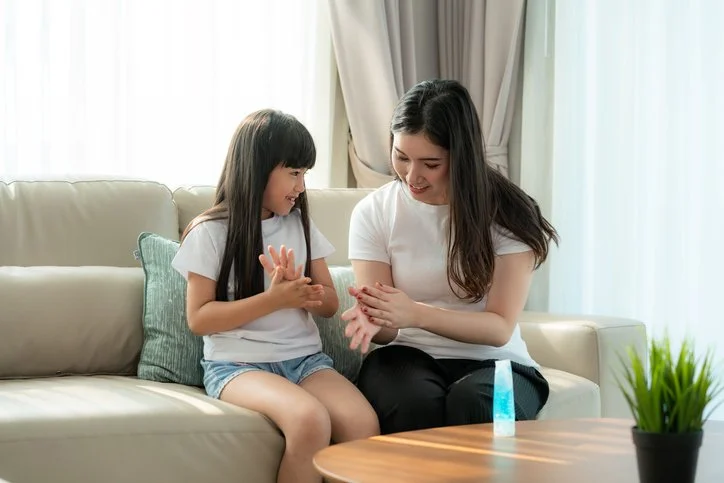
Navigating Re-integration for Kids with ADHD: Four Essential Tips

 As things start to open up, we are now faced with dozens of new challenges. Kids want to see their friends, go to carry-out restaurants, be outside and have some fun. How can they safely socialize with peers, play outdoors or visit with extended family? For tweens and teens who are eager to experience “freedom” from parents, how can you monitor what they’re doing to make sure they are safe without being overly intrusive or micromanaging their activities? Kids with ADHD who struggle with impulsivity, emotional control and sound judgment have higher risks for abandoning their masks and social distancing guidelines in the service of doing what feels good RIGHT NOW. This is worrisome but actually manageable. The keys to successfully re-integrating are starting to re-engage slowly (with supervision) and keeping the COVID safety rules clear and simple. Despite our desires to go back to ‘normal’ life, there’s still a lot of uncertainty in our world. Without a vaccine, wide-range testing and public cooperation around safety precautions, there remains a high risk for all of us in terms of contagion, even if the nice spring weather fools us into thinking we are safe. This means that there’s no real rush to re-integrate except in our kids’ minds. They are so fed up with being isolated, attending school online and missing their friends.
  It’s hard normally for kids with ADHD to be patient: now, it’s almost impossible. They want aspects of their lives back and you also want them to. It’s just a question of how, what and when. Plus, transitioning back into the world when there’s no dependable solution for combatting or managing COVID-19 is naturally anxiety-provoking. For kids with ADHD and anxiety, this can feel overwhelming. Collaboration is the key to a successful transition for your family. Work together to create a plan that opens your family up in ways that feel safe to you but include some of their ideas and desires. As the adult, of course, you have the final say. Strategize with them about how to re-integrate in stages, so they can exercise their needs for autonomy and you can see if they are following your guidelines.
Here are four tips for easing this transition in your family:
Use guided free choice:
 Many kids, especially tweens and teens, really want some authority over their lives after having no space from their parents. Brainstorm ideas about how to transition and stay open to their ideas. Narrow these down to solutions you agree on. Create a list of appropriate activities and behaviors. Let them pick one of these to try. When kids exert choices over their lives, they feel a greater sense of maturity and responsibility. We want to nurture this right now. If they can’t follow through or refuse to work with you, then they are showing you that they aren’t ready for the freedom they say that they want. Going out and being with other people is an earned privilege.
Start slowly:
It will take some time to build your trust of their consistency and follow-through on your agreements. Decide in advance how you can monitor their actions without being a helicopter parent. Consider trying social interactions where you can see them: in your backyard, going to a park together, outside on the front steps. Are they wearing a mask? Are they staying six to eight feet apart? You can review how things went afterwards and appreciate their efforts when they cooperate.
Share important facts:
This generation has the world at their fingertips. They can research anything they want to know and often they do. But they are also susceptible to misinformation and rumors. Stay informed about the latest COVID safety recommendations and how the virus is spread.  Share these basic facts with your kids (and the sources with tweens and teens who may doubt you). This will help reduce their anxiety and give you a chance to answer their questions. Talk about what recommendations make sense for your family, regardless of what other people are doing. Remind them that people have different levels of comfort with risk and we need to respect that.
Plan for setbacks:
Rather than being surprised when kids violate your guidelines and beginning World War 3, predict and explore the difficulties you foresee. Ask them to do the same. Discuss possible consequences for their choices in terms of accountability and learning new skills. If your teen son drives other kids in his car without your permission, even if they kept their masks on, then maybe he’s not ready to drive alone yet.  He’ll need to sanitize the car and have friends over the backyard for a week or two to hang out until he re-establishes your trust. If your sixth grader goes rollerblading and you spot her whizzing by without her mask, then maybe she’s not ready for excursions to the park like that and has to practice activities with her mask on. Be prepared for times when your son or daughter comes up with the most creative ways to work around the rules as only kids with ADHD can do. If this happens, take a deep breath, wait to respond until everybody’s cooled down and then have a calm conversation. Go back to your agreement and review the family’s guidelines. Hang in there. With your practice, you'll figure this out!
Grown & Flown: Psychologist Offers 5 Ways to Help Reduce Your Family’s Stress and Anxiety


Sheryl's Podcouch Episode 025 - What Your Child with ADHD Wishes You Knew with Dr. Sharon Saline


Parenting Impossible Podcast EP 50: Making a Long-Term Plan


22 News Mass Appeal: Insight on helping kids cope with insecurity
Psychology Today: 5 COVID-19 Survival Tips for Teens and Young Adults with ADHD

Improving Time Management COVID Challenges for Kids with ADHD

 Now more than ever, it seems like kids of all ages are wrestling with understanding, budgeting and managing their time. One parent tells me: “My 10 year old daughter dawdles for over an hour at night before going to bed. It takes her forever to get ready.” Another one shares: “My teenager will spend hours online gaming or surfing the net. He forgets to eat or use the bathroom.” Sound familiar? In a world of no schedules, kids with ADHD have lost the typical markers for knowing when one thing stops, when something else should begin and how long a task should take. Why do they struggle with time and how can you assist them in improving this key executive functioning skill? Many kids with ADHD develop their sense of time more slowly than their neurotypical peers. Their brains live primarily in the present: whatever is happening now matters most, with little concern for what comes afterwards. As kids mature into young adulthood, they are better able to consider the implications of their current actions with future endeavors, situations and consequences. But for now, the unhappiness and boredom of the COVID confinement make it incredibly difficult to consider what’s coming down the pike. They are bored and confused, wandering around in a vast expanse of unstructured time.
  Start by providing basic structure to their days and using alarms and alerts to mark the beginning and ending of school blocks, snack, water or meal breaks, exercise or outside experiences and socializing. Do this for yourself too. Since stress hits weaker executive functioning skills first, many kids with ADHD are at an additional disadvantage in terms of organization, planning, persistence and time controls. Many of them will overfocus on tasks which further complicates matters. Prolonged periods of hyperfocus actually deplete the glucose centers in the brain, raise cortisol levels and increase internal stress. Taking planned breaks at agreed upon points (anywhere from thirty to ninety minutes depending on age) helps us reset. Luckily, time management responds extremely well to direct instruction. This means you can work on improving this issue successfully and see progress rather quickly. You’ll need to expect to rely on cueing and make agreements about reminders with your child or teen. We want to improve this skill together based on what makes sense to their unique brains and what you’ve observed about their habits. Follow these tips for teaching your son or daughter how to understand and manage time better:
- Externalize time: Kids with ADHD struggle to feel time: they don’t have an internal sense of minutes or hours passing. Use external, analog clocks or a Timed Timer so that kids can see time moving which will lead to them feeling it.
- Build awareness about time: Neutrally point out how their actions relate to time by verbalizing things like “Look at this, cleaning up your toys took five minutes” or “Let’s set the timer and see how long it takes to put on our pajamas and brush our teeth.” Create games to see who can pick up 20 items from their bedroom fastest or who can monitor the timer when the cookies are backing.
 Model how to refer to clocks to check on the time.
 - Teach estimation skills: Being able to estimate how long something will take is a valuable tool that is never too late to learn. You have to show your kids how to think backwards about time because this is how they can figure out how to plan accordingly. For instance, let’s say they need to be in their online class at 9 a.m. Work backwards, listing the activities they need to do beforehand and guess how long each task will take: getting out of bed (15 minutes), using the bathroom (5 minutes) putting on clothes (10 minutes), brushing their teeth and hair (10 minutes), eating breakfast (15 minutes) and setting up the computer with necessary school items (10 minutes), messing around (10 minutes). If you add these together and subtract 75 minutes from 9 a.m., then you've got to set the alarm at 7:45 am.
- Consider the Now/Not now brain: Kids with ADHD are engaged in the moment. Whether it’s compelling or tedious, what’s happening now is what they are focused on. Because it’s tough to shift from one thing to another, they face challenges with following alarms, alerts and reminders. Talk with them about how they can make transitions more successfully. Use simple breathing exercises (alternate nostrils or hands on the stomach), body awareness techniques (noticing heart rate or tension) or statements to direct themselves (“I need to stop gaming now. I can return tomorrow” or “I have to begin my math homework but I can take a break in fifteen minutes.” These tools will aid them in leaving one activity and going to something else.
 Be patient. Keep these scaffolding tools in place longer than you think. Most of all, cut yourselves and your kids some slack during this strange situation. Some days managing time will go better than others. That's okay! Focus on working together to learn this important skill.

ADDitude Mag: Is My Child’s Distress Normal? Or Do We Need Help?



ADDitude Mag: My ADHD Teen Always Blows Me Off — How Do I Get Through to Her?

22 News Mass Appeal: It’s time to embrace the “less is more” philosophy during this pandemic

Stressed Out and Overwhelmed: Managing Family Life During the COVID Crisis

 FREE WEBINAR with Seth Perler and Dr. Sharon Saline May 6, 2020 8 pm EST Burned out on COVID-19?! We get it. Who would’ve thought that the world would change so dramatically? Schedules? What schedules? Kids are staying up late, sleeping to all hours, chores have gone by the wayside, parents are snippy with each other and the kids, and visa versa. Even the dog is unsure of what’s going on! Seth Perler, executive function and 2e coach and Sharon Saline, clinical psychologist, team up together to share the valuable insights they’ve gained during this pandemic. No crafts or meal-planning suggestions here, nor 5 simple steps to stay ahead of the school schedule. Instead, you’ll find in-the-trenches, boots-on-the-ground advice to take back the joy this pandemic has robbed your family of! We’re here to help you through the burn-out phase!
Stressed out and overwhelmed: Managing family life during the COVID crisis In this 45 minute free webinar, with extended time for your questions, we’ll provide actionable advice on how to keep the peace and ensure fond, lasting memories once this pandemic is over. Themes we’ll discuss:
- Stay connected: Prioritize the health of your relationships--to your kids, your partner and yourself.
-
- Identify your feelings first – This is hard on you too. Accept your anxious feelings so you can meet your children and teens where they are.
- Learn how to foster attunement and compassion – These skills are vital to maintaining secure parent-child attachments.
- Empower yourself with the tools to deal with what’s coming at you - Learn how to be allies in creating good sleep, diet, exercise and meaningful contact with friends and family.
- Manage ourselves first: Everyone has stress and concerns right now, but our own distress and anxiety must be managed first before we intervene with our children. otherwise, we can’t access our better selves in moments of upset and frustration.
-
- Identify the bodily signs when your nervous system is becoming activated.
- Learn effective, quick methods to self-regulate.
- Own your feelings and be accountable: It’s okay to be upset but it’s not great to blow up about something or blame others and not take responsibility for it.
- Reduce family reactivity: Acting out behaviors are messages that kids are overwhelmed and lack adequate coping skills
-
- Understand your own patterns of dysregulation
- Make different choices
- Model alternative behaviors for your kids.
- Improve how everybody interacts with each other.
- Help your kids identify their body’s warning signs that they are triggered.
- Create a plan for dealing with these inevitable moments when you are all calm that you can use later.
- Be conscious of revving and call for a pause in the action.
- Don’t judge and criticize others’ feelings, hold the space to let things be.
- Use I statements, mirroring, reflective listening.
- Put down electronics and pay attention.
- Plan for work time and play periods:
-
- Create a daily schedule that suits people’s needs and abilities.
- Plan for quality time as much as study time.
- Engage in family work time with planned breaks, distinct study periods and access to support.
- Use incentives that matter to kids to improve their participation and buy-in.
- Make sure you have daily fun time: have a daily activity that isn’t related to serious things such as playing board games, throwing a frisbee, shooting some hoops, riding a bike, baking, making music, etc.
- Limit screens: screen-free dinners, digital sundowns, devices live in parents’ rooms.