

Dear Dr. Sharon,
My 13-year-old son has ADHD and seems to have very little motivation to do anything that doesn't interest him. He can spend hours building things, playing video games, or working on projects he enjoys, but getting him to do his homework, help around the house, or even get ready for school is a constant struggle. He complains that everything is boring, puts things off until the last minute, and gets frustrated when we remind him about his responsibilities. We've tried rewards, consequences, and different routines, but nothing seems to work consistently. I know he's capable of doing these things, so why is it so difficult for him to get motivated? How can we help him take more initiative without constantly nagging or arguing?
Thank you,
Deana
Dear Deana,
Your question is one that many parents of kids with ADHD struggle with, and I understand how frustrating it can be. It's especially confusing when your son can spend hours doing something he enjoys but struggles to complete everyday responsibilities. You know he's capable, so why can't he apply that same energy to homework, chores, or getting ready for school?
The answer lies partly in how ADHD affects motivation and executive functioning. Kids with ADHD often have an interest-based nervous system. They're more easily engaged by activities that are interesting, novel, challenging, or immediately rewarding. Repetitive, boring tasks, or those without an immediate payoff, can be much harder to start and finish.
This doesn't mean your son is lazy or doesn't care. He may genuinely want to meet your expectations but struggle to muster the energy and attention needed to start. When you add frustration, overwhelm, or anxiety about doing something difficult, avoidance becomes even more appealing.
The good news is that motivation isn't something your son either has or doesn't have. You can help him build the skills he needs to get started, stay engaged, and follow through.
1. Understand what's getting in the way
Before assuming your son isn't motivated, get curious about why certain tasks are difficult. Does he find them boring? Is he overwhelmed by the number of steps? Does he worry about making mistakes? Or is he having trouble shifting away from something he'd rather be doing?
Kids with ADHD often struggle with task initiation, the executive functioning skill that helps us move from thinking about doing something to actually beginning it.
Choose a calm moment to ask, "I've noticed it's hard for you to get started on homework and chores. What's the toughest part?"
Listen without immediately offering solutions. You may discover that he doesn't know where to begin or that the task feels much bigger to him than it does to you.
Try this: Ask your son to choose one responsibility he regularly avoids. Together, identify whether the biggest obstacle is boredom, overwhelm, confusion, or difficulty stopping another activity.
2. Make starting easier
One of the biggest challenges for kids with ADHD is getting started. Even relatively simple tasks can feel enormous when they involve multiple steps or don't seem particularly interesting.
Instead of telling your son to "clean your room," help him break the job into specific, manageable actions:
Put dirty laundry in the hamper.
Return books to the bookshelf.
Bring dishes to the kitchen.
Make the bed.
The goal is to reduce the effort required to begin. Sometimes the first step needs to be really small, and that's fine.
For homework, this might mean opening his backpack, finding the assignment, or completing just one math problem.
Try this: Ask, "What's the smallest thing you could do right now?" If he still resists, make the step smaller. Starting creates momentum, and momentum makes continuing easier.
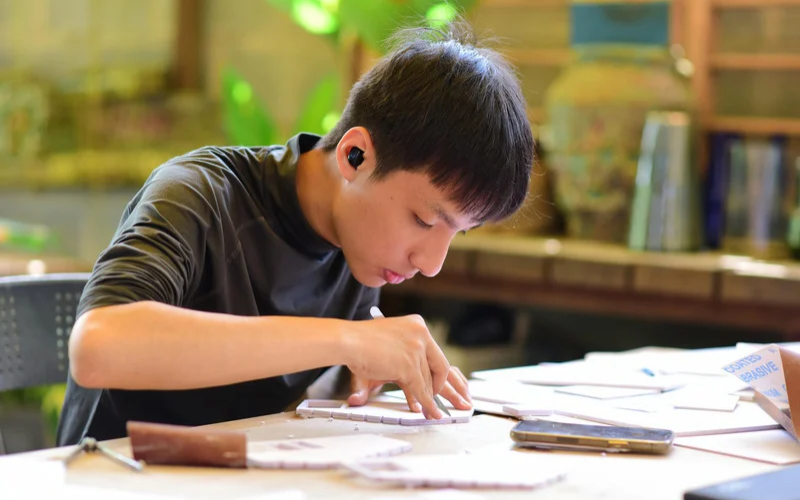
3. Add interest and immediate rewards
Kids with ADHD often respond better to immediate feedback and meaningful incentives than to distant goals or consequences.
Think about ways to make less appealing tasks more engaging. Your son might listen to music while organizing his room, race against a timer to put away laundry, or alternate between challenging homework and easier assignments.
Collaborate on incentives that matter to him. For example, completing an agreed-upon amount of homework could earn time for a favorite activity or an opportunity to do something together.
Keep rewards achievable and connected to specific efforts. If the goal seems too distant or difficult, it may not help him get started.
Try this: Ask your son, "What would make this task a little less boring?" Let him choose between two reasonable options, such as working with music or using a timer to create a challenge.
4. Create realistic work periods and breaks
Expecting your son to sit down and work until everything is finished may be unrealistic, especially when tasks require sustained attention.
Instead, collaborate on short work periods followed by predictable breaks. Start with what he can reasonably manage, even if it's only five or ten minutes.
A brief break for stretching, getting a snack, or moving around can help him reset. Avoid activities that are difficult to stop, such as video games or scrolling through social media.
Gradually increase work periods as his confidence and stamina improve.
Try this: Set a timer for ten minutes and agree on one specific task. When the timer rings, acknowledge what he accomplished and offer a five-minute break before deciding on the next step.
Remember, some progress is better than no progress.
5. Reduce reminders and increase collaboration
When your son doesn't follow through, it's natural to remind him repeatedly. Unfortunately, constant reminders can create tension and make him feel criticized or controlled.
Instead of becoming his personal alarm clock, work together to create systems that remind him what needs to happen.
Use written checklists, visual schedules, alarms, or a whiteboard with daily responsibilities. Ask him which tools he'd actually use rather than choosing everything for him.
You can also agree on one check-in time instead of repeatedly asking whether he's completed something.
Try this: At the beginning of the evening, ask, "What's your plan for getting your homework and chores done? What help do you need from me?" Write down the plan and agree on when you'll check back.
The goal is to shift responsibility gradually while providing enough support for him to succeed.
6. Help him manage frustration and avoidance
Sometimes what looks like a lack of motivation is actually an attempt to avoid uncomfortable feelings. Your son may become frustrated when something seems too difficult, takes longer than expected, or doesn't go the way he wants.
When he says, "This is boring!" or "I don't want to!", try not to get pulled into an argument.
Acknowledge his feelings while keeping expectations reasonable. You might say, "I know this isn't something you enjoy. Let's figure out how to make it easier to get started."
Offer limited choices: "Would you rather take out the trash now or after dinner?" Choices give him some control without removing the responsibility.
Try this: When he resists, pause and ask whether he needs help getting started, a smaller task, or a brief break. Problem-solving together is usually more productive than debating whether he should feel motivated.
7. Celebrate effort and progress
Kids with ADHD often receive more feedback about what they haven't done than what they've accomplished. Over time, repeated criticism can affect their confidence and willingness to try.
Make a point of noticing when your son gets started, persists through frustration, or follows through on a responsibility.
Instead of saying only "Good job," be specific: "I noticed you started your homework even though you didn't feel like it," or "You came back after your break and finished putting away your clothes."
These small acknowledgments help him recognize his own progress and develop confidence in his abilities.
Try this: At the end of each week, ask your son to identify one thing that went better and one strategy he'd like to continue. Celebrate his successes, even when they're small.
Remember, motivation doesn't always come before action. Sometimes kids need to begin something before they feel interested or capable of continuing.
Your son won't develop independence overnight, and some days will be easier than others. What matters is helping him understand how his ADHD brain works and developing practical tools that support his efforts.
The goal isn't to make him motivated all the time. It's to help him learn how to get started, manage frustration, and follow through—even when something isn't particularly interesting.

