Dear Dr. Sharon: Screen Breaks, Boundaries, and Brain Health — A Family Approach to Digital Well-Being
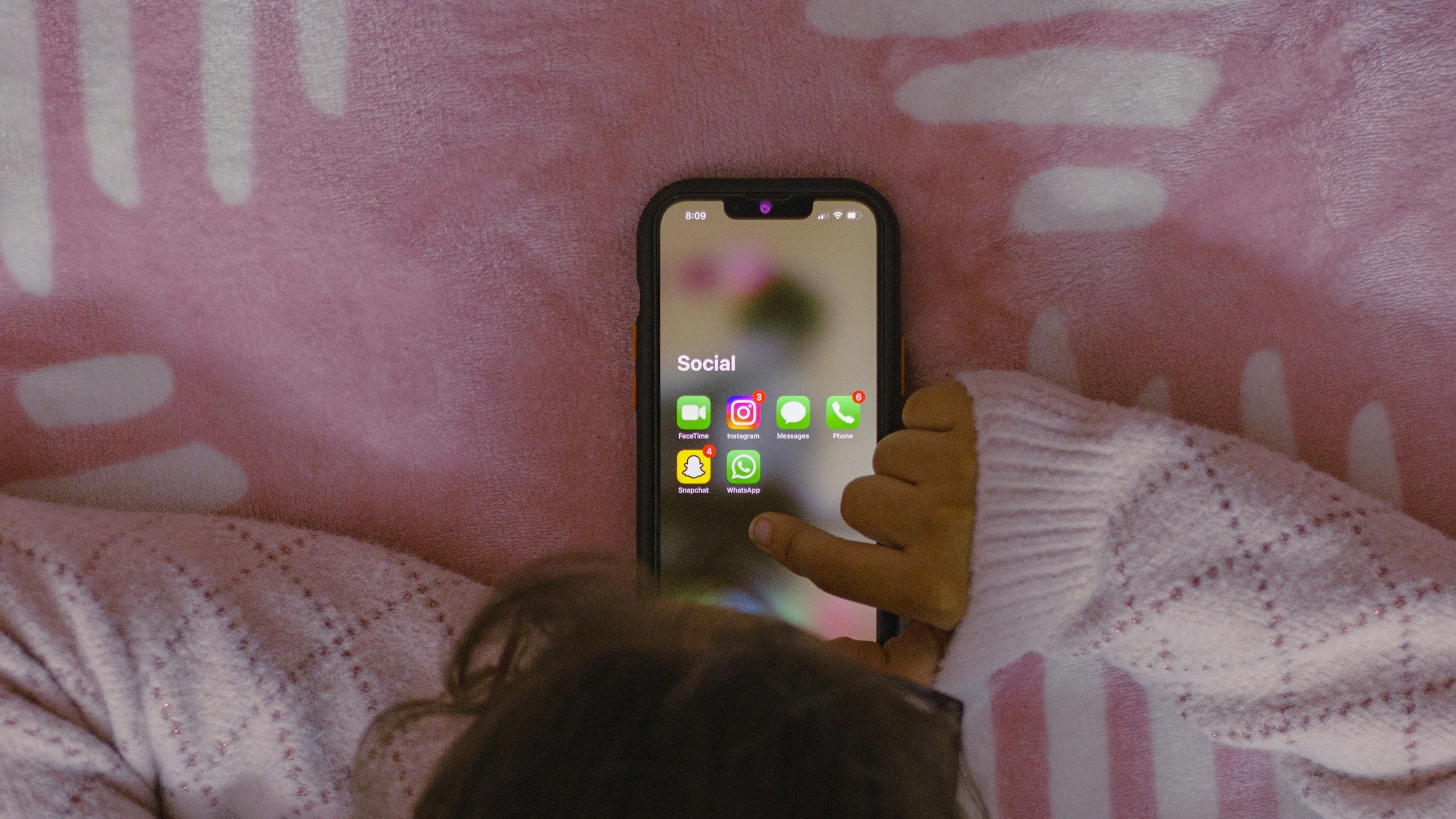
Screens are everywhere—and so is the stress that comes with them. In this Dear Dr. Sharon post, families will explore how to approach screen breaks and digital boundaries in realistic, compassionate ways that support brain health, emotional well-being, and genuine connection for all ages.
Dear Dr. Sharon,
I’ve been thinking a lot about our family’s relationship with screens as we head into the new year. Between phones, tablets, gaming, schoolwork, and television, it feels like we’re always connected, but not always to each other. I recently read about the mental health benefits of taking a short break from social media, and it made me wonder if some kind of family digital reset could actually help us all feel calmer and more present.
At the same time, I’m realistic and a little nervous. I don’t want this to turn into constant arguments and power struggles with my kids. I’m also not sure I can handle being disconnected from my own friends and work. What if someone can’t reach me?
Is there a way to approach a digital break without it feeling extreme or like another thing we try and fail at as a family?
Elaine, California
Dear Elaine -
You’re not alone. I hear versions of this concern from parents in my office, online, and in my own life too. Even with the best intentions, many of us catch ourselves reaching for our phones more often than we would like. I’ve certainly had moments when I’ve asked others to put devices away only to realize mine was still in my hand.
Screens now sit at the intersection of work, school, social life, and downtime. Trying to manage them while preserving family peace can feel like a never ending battle. That tension does not mean you are doing anything wrong. It simply reflects how embedded technology has become in our daily lives.
The goal is not to eliminate screens or aim for some idealized screen free family life. Instead, it is about noticing patterns, talking about them openly, and deciding together what actually supports connection, regulation, and well being in your home.
Let’s unpack this and focus on steps that prioritize connection first, not just enforcement.
Why This Matters More Than Ever
Recently, NPR and The New York Times reported on a study that followed young adults who significantly reduced their social media use for just one week. After that week, participants reported the following changes.
• 16% fewer anxiety symptoms
• 24.8% fewer depression symptoms
• 14.5% less insomnia
Those are meaningful shifts after a very short time.
Other research with children and teens suggests that even modest reductions in leisure screen use can lead to improvements in behavior and social interactions. These findings do not prove screens cause emotional struggles, but they do suggest that how and how much we use them affects mood, sleep, focus, and family dynamics across ages.

Step 1 — Reframe “Detox” With a Family-Friendly Lens
Instead of thinking about a digital detox as deprivation, frame it as a reset. This is a chance to notice habits and make intentional choices.
Declare your intention together.
Start by sharing what you have noticed. For example, you might say that everyone has been on screens a lot lately and brains need breaks. Then invite collaboration by saying you would like to try a screen reset and stick to essentials. Ask what that means to each person. Tone matters. This works best as an invitation, not a rule.
Pick realistic timeframes.
For some families, a screen free meal feels hard. For others, one day a week is the stretch. There is no single right approach. Even lighter or shorter resets can be restorative.
Avoid all or nothing thinking.
Eliminating screens entirely is not realistic for most families. Focus on intentional use rather than elimination. As one parent told me, they did not want to get rid of screens entirely. They just wanted their family to feel connected when it mattered. That mindset changes everything.
Step 2 —Why Age, Stage, and Purpose Matter with Screens
Different age groups use technology differently. When expectations match developmental needs, screen boundaries are more effective and less stressful.
For Young Children
Screens are not inherently bad, but they can compete with the play and interaction that build language, attention, and self regulation. Excessive passive screen use in toddlers has been linked to delays in vocabulary development.
Helpful approaches include choosing interactive or creative apps over passive watching, using screens together to encourage conversation, and setting clear but flexible limits. The American Academy of Pediatrics recommends no screens under age two except for video chatting and limited time for preschoolers. Check out their recommendations here.
For Tweens
Tweens are balancing friendships, school demands, and growing independence. A blanket no screens rule often feels like a ban on social life. Different screens also serve different purposes, such as schoolwork, gaming, watching videos, and socializing.
Supportive strategies include shifting from automatic use to intentional use, creating tech free routines like meals or family walks, and asking curious questions instead of interrogating. Asking what they enjoy about an app opens conversation, while asking how long they were on it often shuts it down.
For Teens and Emerging Adults
Independence matters deeply. Phones often feel like lifelines to friendships and belonging. At the same time, research links heavy social media use with higher anxiety and depression in older teens and young adults.
Encourage purpose over habit by sharing research and asking how different apps make them feel. Emphasize movement such as walks, sports, yoga, or brief bursts of activity to reduce the pull of constant scrolling. Build screen free family time through cooking, board games, errands, or outdoor activities.
Step 3 — Filling the Space Screens Leave Behind
Screens often fill empty moments, but they are not the only option. Replacing screens with engaging alternatives makes change feel less like loss and more like choice.
Ideas include family game nights with a special snack, creative time such as puzzles or drawing, movement breaks like walks or dance parties, and mindful respites such as breathing exercises, reading quietly together, or building with blocks or LEGO.
When screens are replaced with experiences that feel good, habits shift more naturally.
Step 4 — Keep It Flexible and Thoughtful
This is not about perfection. It is about steadiness. The aim is to increase awareness, introduce choice, and create moments that refresh brains and bodies.
Awareness plus choice equals reset.
Helpful practices include brief daily check ins where each person shares what felt good and what felt hard, celebrating small wins such as a peaceful dinner, and adjusting without guilt when screens are needed for homework or connection. Reducing screen time randomly does not help. Reducing it with intention does.
Step 5 — Be Compassionate With Yourself Too
This is not about control or punishment. It is about giving everyone’s nervous system a break. For this to work, parents need to model the behavior they hope to see. Kids notice how you use your phone, how you react to theirs, and how calm or chaotic family life feels overall.
When you model intentional tech use, you are giving them a skill they can carry into adulthood.
In the End…
Screens are not going away. They are woven into work, school, and relationships. A reset mindset helps families notice why they use screens, when screens support well being, and when they crowd out other needs.
Keep it compassionate, curious, and steady. Try, notice, adjust, and try again.
Warmly,
Dr. Sharon