

Just Education Podcast: Episode 36 - Teaching in Covidland Panel Discussion


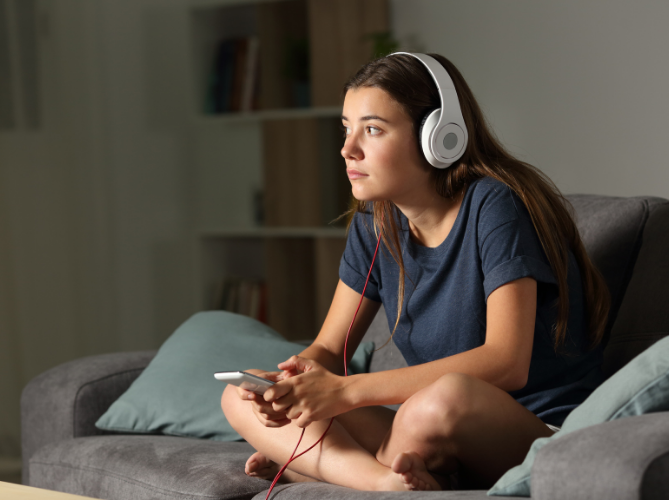
Teens, ADHD and Procrastination
 Many teens with ADHD procrastinate and appear to lack self-discipline. Why? Sometimes they have anxiety around how to approach the task, how to complete the task or possible outcomes of failure or rejection. Sometimes they have perfectionistic tendencies that require energy and focus and can delay them wanting to start a task. On the other hand, they may struggle with motivation and/or confidence because they have either given up on themselves or have received messages that the adults in their lives have given up on them. Other times, they can't come up with any solutions to help them feel motivated for self-discipline. So how do you know what's really going on with your teen's ADHD and procrastination, and how can you support them? Let's dive in.
Teens with ADHD: Independent?
Teens with ADHD can push back extra hard because they have heard countless times over the years about what they don't do right. Argh! It takes courage each day to go to school. They often don't feel successful academically and, even if they are, they are still immersed in challenges.
Teens with ADHD tend to want to do most things themselves. They want autonomy and to put parents on an "as needed" basis. They're learning more about themselves and are interested in leaning more into their social groups and communities. Yet, they still rely on parents for safety, security and support. Striving for connected independence often works best.

Ask. Collaborate
In this discussion on ADHD and procrastination, I want to highlight the 3rd of my 5 C's of ADHD Parenting.- Collaboration
Collaboration: Work together with your child and co-parent (if you have one) to find solutions to daily challenges instead of imposing your rules on them.
It can be hard, sometimes really hard, not demanding, "What's wrong with you? Why can't you finish a simple worksheet!" These reactions are hurtful and are often based in exhaustion, when our proverbial cups are less than half full. Take time, when you both are feeling calm and ready to talk, to connect with your teen instead, and listen to what they have to say about their thoughts, feelings and experiences.
Ask, as an Unbiased Researcher
"What's happening so that you can't do X, Y, Z?"
Now we can look at data and address changes that can help motivate our teen AND help change their inner dialogue.
Understand Shame

What is the leading cause of wanting to do everything themselves? Shame.
"I was embarrassed that I had a disability. I didn't want to be seen as someone who needed extra help."
"Let me do it myself. I don't like people seeing me as weak."
You may not see shame. Instead, you might feel their anger, see their tears, or hear yelling about something unrelated.
Procrastination and Initiation
What it the biggest reason teens with ADHD struggle with procrastination? They often have trouble getting started. What may seem easy to us, may seem enormous to people with ADHD. They can be masters of avoidance. "Why start it if I can't ......?"
Initiation has to do with the size of the task, their interest in the task (dopamine reward), and the level of difficulty for the task. Breaks make a daunting project seem more manageable.
Start Small

Executive functioning challenges that often accompany ADHD and impact procrastination include struggles with initiation, planning and time management. Breaking down assignments into chunks makes tasks seem much more manageable -- making them easier to approach and get started. This also helps teens plan out the steps into a series of smaller tasks.
Before starting, prepare for how long they can realistically focus. For instance, ask, "How many examples can you do before you want to throw your book across the room?" Then, they might say, "Five." Start with the number they say, and then take a break.
Jot down the tasks and notes so you can keep track and not worry about remembering any or all of the steps. Write down how long tasks are expected to take, and reflect on how long they actually took. I highly recommend creating your own personal project planner so you can organize your tasks in a creative, visual structure that works for you.
3 Ways to Make Tasks Seem Smaller:
1. Use a timer.
This method makes the task of completing an assignment in that clocks hands, not the parents. "Cool. Okay, let's work for 5 minutes and then take a 3 minute break. I will set the timer for the break. When it goes off, you can do 5 more. When you completed an hour, you can have a longer break."
2. Make lists.
Teens with ADHD and procrastination challenges often have trouble planning what to do -- and when. Sit down and ask, "Do you want to do the hardest first, then medium-difficulty, and then easiest? Or easiest first for a sense of success, and then harder, and medium last?" This works well for homework, chores, etc.
3. Make tasks fun!
Listen to music. (Their preferred music is best!) Tell jokes or stories of fun memories. Time yourselves for how fast you can pick up portions of the room, and make a game of it!

Read more blog posts:
- Parenting Older Teens with ADHD: Land the Helicopter and Focus on Scaffolding
- Personal Project Planners for ADHD Minds: Start managing tasks, time and ideas with this creative tool!
- Want better conversations with your child or teen with ADHD? Use the WAIT-Now Method
Deeper dive: https://drsharonsaline.com/product/motivation/ https://drsharonsaline.com/product/home-seminar/

Parade Media: Living With Anxiety Is Uncomfortable, Breathing Exercises Can Help—Here Are 10 to Start With


ADDitude Mag: 5 Ways to Reframe Anxiety for Your Worried Teen



22 News Mass Appeal: Four ways to show love to our children and teens


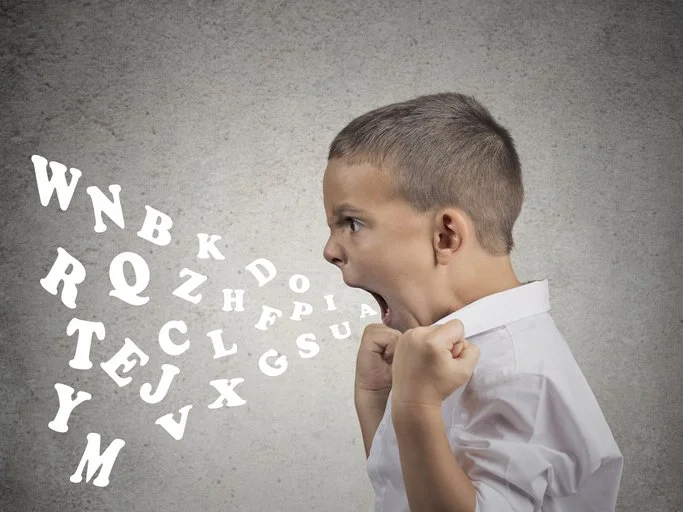
ADHD and Defiance during COVID: What can you do instead of yelling?
 There are so many facets to kids with ADHD. Yes, they are creative, passionate, energetic and smart. Yes, they can also be distractible, impulsive, intense and strong-willed. And yes, COVID is making things that were previously challenging harder in many ways and also adding new hurdles. Because of this new stress, your child or teen might be more angry or pushing back at you more often. These situations, impacted by ADHD and defiance, deteriorate quickly. With all of the frustration, disappointment and isolation children and teens are feeling these days, it’s even harder to self-regulate. Your child may fly off the handle, disrespect you verbally or refuse to listen to what you have to say. What are your options in these volatile times, other than yelling, taking things away or banishing them from your sight? How can you maintain stability in your parent-child relationship and in your home?
Kids don't like emotional explosions, either.
Nobody really likes meltdowns, explosions and arguments, regardless how defensive or nonchalant your child or teen may seem. Kids with ADHD have told me repeatedly that they feel bad about themselves after these outbursts and many parents also regret what they’ve said or done. But, in moments of high emotion, people naturally stop listening and quickly move into fight-flight-or-freeze mode. In this state, whether or not your struggle with ADHD and defiance, you’re not listening. Instead, you’re reacting, and rationality has flown out of the window.
Expect challenges with ADHD and defiant behavior so you're prepared to manage them.
Instead of being surprised every time there’s defiance, explosive anger or disrespectful behavior, it’s more useful to expect that these will occur and rely on a strategy for when they do. It’s the resistance and the combativeness that wears families down.
Implement PAUSE to better manage ADHD and defiance at home.
PAUSE: Plan to Accept Understand Set Limits and Encourage
My PAUSE program lays the foundation for making different choices and fostering stability at home. Here’s how it works:

PLAN:
You’ve got to focus on making a plan to cope with the pattern of anger for yourself and your child rather than deal with its changing content. Otherwise, you’ll be playing Whack A Mole nonstop.
In a quiet moment, make a list of what you can easily do to stay grounded. If you are feeling dysregulated, you won’t be able to respond effectively and help your youngster calm down.
Whether it’s going to the bathroom to collect yourself for a few minutes, getting a glass of water or opening a window, break up the action in a non-threatening way. This re-centering needs to be your first, reflexive step to slow down the fast-paced action.
Once you’ve clarified this for yourself, sit with your child and ask them what helps them regroup. Then, ask them how much time they need for this. Write down their options, and post the list in their room or in the kitchen.
ACCEPT:
Stop trying to convince your child or teen of anything. Rather, accept where you both are in a given moment. Remember, they stopped listening the moment that they became activated. What they want is to be seen and heard by you.
Acknowledge what they are saying with reflective listening. “I heard you say this, is that right?” When they feel that you are paying attention, instead of correcting them for cursing at you or justifying why you called the school about their F in English, they will start to settle. It may be tense and uncomfortable, but you can do this. You’ve probably handled a lot of other unpleasant situations impacted by ADHD and defiance before.
UNDERSTAND:

As tough as it can be, empathy is what’s called for when kids, especially those with ADHD, are distressed. Their feelings have overwhelmed their thinking brains. In addition, their weaker executive functioning skills simply cannot manage their heightened emotions. They are acting out because they lack the resources to do anything different in those moments. Neurodivergent kids need caring adults to dig deep and find some compassion rather than exploding about how they should get their act together.
When a child is resistant, oppositional or intransigent, many parents feel desperate to regain authority and establish stability by taking things away from their kids. While punishments may offer short-term relief, they don’t bring long-term success. Avoid saying things like, “I’m taking away your phone for 3 days. You can’t talk to me that way.” Turn it around and say, “You have not earned the privilege of using your phone with that language. When you can go for 3 days without cursing, you’ll get it back. That’s the agreement we have.” Relying on appropriate incentives is what shifts negativity to cooperation.
SET LIMITS:
Our goal is teaching kids with ADHD the executive functioning skills they need for self-regulation, socializing and productivity. It’s a natural part of living to become angry, to want to get your own way and to avoid disappointment. But it’s not okay to be aggressive about these. What we want is our kids to be motivated to make other choices.
Punishment doesn’t teach any lasting skills and rules with fear. Logical consequences, on the other hand, allow you to set limits and use meaningful incentives as motivators. Place “have-to’s” before “want-to’s.” The trick is staying steady in the face of your child or teen’s displeasure and following through. Limits are meaningless if they are not consistently followed. In a family meeting or a quiet moment, make collaborative agreements about actions and words that are unwelcome.
ENCOURAGE:

Once the storm has passed, focus on the present moment. What needs to happen NOW to move beyond its wreckage? You may want to address your underlying concerns and let them know how they have messed up. But will this serve them to learn the skills they need and strengthen your relationship? This is not a time to teach any lessons. The situation is still too raw for your child or teen, and such a conversation may trigger the outburst all over again.
They need encouragement rather than blame at this moment. Talk about the next move to get on with things. Then, later that day or some time tomorrow, casually wonder about the take-aways from what happened. Was there anything each of you regret? How would you like to deal with that type of behavior in the future? This opens conversation, explores options and fosters collaborative engagement.
Managing ADHD and defiance will take time and patience.
Be patient with yourself and your family as you transition to this model. Everybody has a shorter fuse right now, so it may take longer to get this going. That’s okay. It’s one step at a time!
Read more blog posts:
- ADHD and Negativity: Why ADHD kids and teens say "No" and how to help them communicate
- ADHD and Anger in the Family: Manage Outbursts with STOP-THINK-ACT
- Beyond ADHD Pandemic Burnout: How to Help Your Family Regroup and Find Strength
Watch on YouTube:
- ADHD and Oppositional Defiance (ADDitude Mag Q&A with Dr. Saline)
- Anger Management with ADHD (ADDitude Mag Q&A with Dr. Saline)
- How to Get Your Teens to Open Up (WWLP 22 News interview with Dr. Saline)
https://drsharonsaline.com/product/apologies/ https://drsharonsaline.com/product/whats-up-with-all-this-anger/ https://drsharonsaline.com/product/home-seminar/

22 News Mass Appeal: 4 Essential Coping Tools for Winter COVID Blues

Beyond ADHD Pandemic Burnout: How to help your family regroup and find strength
 If you are tired of hearing about how you and your family need to bounce back again as 2021 (and 2022) perpetuates the same problems as 2020, you are not alone. One mother of a fifteen year-old boy with ADHD and dyslexia who hates virtual school and is barely passing his courses told me she is “sick and tired of hearing about resilience. I’m drained and he’s depressed. That’s our reality.” She’s experiencing pandemic burnout and is flooded with resilience fatigue: exhaustion from facing daily challenges with resourcefulness and strength that’s just not there. Sound familiar?
The myth about resilience
 Resilience is the ability to rebound from difficulties. There’s a myth that resilience is about your character. It actually has as much, if not more, to do with your socioeconomic status, religious and ethnic background. Numerous obstacles such as financial stress, unemployment, bigotry and systemic racism demand resources beyond ‘resilience.’ Similarly, children and adults living with ADHD, persistent mental health issues or physical or learning disabilities struggle daily with challenges that demand effective coping strategies. When we offer platitudes about “digging deep” and “finding your resilience,” we may inadvertently dismiss the validity of these struggles.
Resilience fatigue: the pandemic burnout is real
Resilience fatigue comes from being depleted mentally, physically and emotionally. It is REAL and particularly now. You, your neurodiverse kids, your extended family and our global community have been stressed and stretched by the pandemic beyond our capacities for months. COVID restrictions, indoor living and social isolation have worn us all down. It’s hard to envision bouncing back to something that we can’t see. Where is the light at the end of this tunnel anyway? For kids with ADHD who live with NOW/NOT NOW brains, seeing the future and focusing on what’s coming next is already tough. If the NOW is unpleasant (whether that’s another day of virtual school, reading Hamlet or cleaning the cat’s litter box), it doesn’t matter how great whatever is happening later may be. There’s just not enough dopamine in their brains to sustain interest and action to get through the unbearable present. Instructing them to buckle up and ride this pandemic out for a distant tomorrow seems really impossible when they're wiped out.  As parents, your tank is likely on ‘empty’ too. Sadly, it seems like many parents I talk to feel ashamed of their depletion. You go on social media and see how other mothers or fathers manage to be productive, create and maintain activities for their kids, stay fit and prepare gorgeous meals. But, you can’t compare your insides to other people’s outsides. Whatever people are posting is what they want you to believe. Underneath their smiles lie similar struggles to your own.
How to cope with resilience fatigue and pandemic burnout
The antidote to resilience fatigue is compassion--for yourself and for your kids. When people feel resilience fatigue, they’re not only exhausted but they are judging themselves for what they aren’t doing. This is especially true for neurodivergent kids with ADHD, LD or ASD who find virtual school difficult and aren’t doing well. Their current challenges reinforce whatever negative self-talk they already engage in. So, we’ve got to pivot to paying more attention to what is going well enough, adjusting expectations to meet the reality of pandemic life and reducing negative expectations for failure. Follow these steps to regroup and rekindle the spark of strength that you all possess:
1. Start with acknowledging how you feel:
 Stop judging yourself and your kids for being the way you are. Resist comparisons with other families and students. When you accept how you and your kids are actually doing--the good, the bad and the ugly, you move from the draining, self-defeating statements of ‘I should’ and live with the soothing balm of refueling statements of ‘I can.’ Coping with resilience fatigue starts with acceptance. Ask your son or daughter with ADHD what is one ‘should’ they tell themselves? How can you work together to transform this statement into a ‘can’?
2. Change ideas about personal failure:
Resilience fatigue in the midst of this pandemic has very little to individual limitations and everything to do with how the government and health care system let us down. This burnout is a natural process related to the grief, hopelessness and helplessness we all have felt at some time during this past traumatic year. Cut yourself some slack and revamp your expectations for your neurodiverse kids and your family. At your weekly family meeting or during dinner, ask everyone to share one hope for themselves in the coming week. Explore what type of support they may need to bring it to fruition. Then, next week, check in about this and identify another hope. By talking about hopes instead of expectations, there’s a greater chance of a small success. Hope can shift pessimism to positivity.
3. Focus on contentment, not happiness:
 Where happiness is fleeting, contentment reflects ongoing satisfaction. We can’t snap our fingers and erase the COVID world, but we can create a few rituals that make us smile. Have breakfast for dinner once a week. Make popcorn and have a mandatory family movie night. Visit a local place you’ve never been or one that you really love. Host a short zoom dance party in your living room and let each family member pick a song. Ask your friends for ideas of things they’ve been doing to break up the monotony.
4. Go backwards to go forwards:
Look back as a family on what has helped you thus far get through the pandemic. Help your kids be as specific as possible. They may need some nudging as recalling positive stuff is tough for many folks, particularly those with ADHD. Write down each idea on a large piece of paper and put it in the kitchen or tv room for everyone to see. When you examine what tools fostered previous resilience, you’ll see the drops of water needed to refill your dry well right in front of you. Pick one to practice for a week, otherwise it might overwhelm you and be self-defeating. One of my favorite mentors says: “When you get to the end of your rope, make a knot and hold on.” Holding on, resting there, resetting and regrouping will help your family cope with resilience fatigue. These practices will help rebuild your collective and personal strengths, too. 
Read more blog posts:
- 5 Self-Care Ideas: Parenting ADHD in a Pandemic
- Managing Uncertainty With Your Family During COVID-19: More than deep breathing
- Post-Pandemic Self-Care for Parents: 12 Tips for Wellness Practices in a New Normal
Deeper dive: https://drsharonsaline.com/product/online-learning-tips-for-parents-bundle/ https://drsharonsaline.com/product/home-seminar/

ADDitude: “Q: How Can I Teach Empathy to My 15-Year-Old?”

Teens and Young Adults in the Pandemic

What are some of the adjustments that teens and young adults are making in the pandemic?
Teens and young adults are making many, many adjustments recently. Not only are they unable to see their friends and connect in familiar surrounding, but they are also facing the uncertainty of what comes next. If they are still enrolled in college or high school - virtually, in-person or in a hybrid version - they are leaving behind the familiar structure of home, school and community. Yearning for adulthood, while longed for, can be overwhelming. Those with ADHD are more than likely struggling in social distancing. College is not a college experience. The activities, in person classrooms, clubs, teams, fraternities, etc are gone. The same applies to high school students too. Pods need to be formed, and strictly adhered to versus bumping into friends at the cafeteria. It’s a huge shift in many areas simultaneously.
How can parents and loved ones can help ease the burden?

It’s important that parents and loved ones acknowledge the enormity of this transition and don’t compare their own experiences with those of their children. Things have changed a lot and many young adults struggle under the burden of huge financial debt, social isolation, a high cost of living or the disappointment of living at home, and a tight job market. Staying compassionate, offering to assist them and collaborate on tasks and being available to talk through emotions related to this change is most helpful. Don’t solve issues. Instead, offer your suggestions and avoid getting hurt if they aren’t taken. Young adults often like to figure things out for themselves, which means trial-and-error learning. Sometimes the best support you can give is managing your own frustrations, sharing your feelings without blame or guilt and validating their successes.
Tips for helping young adults and teens adapt a healthy routine in the pandemic
 Having a daily routine offers structure and freedom. It’s critical to set aside a specific period of time for attending classes, school work and applying to jobs each day so these activity has boundaries. These daily activities can become tedious and deflating, particularly in a pandemic. They can spread into all aspects of your life as the list of things you should be doing keeps growing. Eventually, avoidance accompanies discouragement and overwhelm. Talk with your son or daughter about marking off a few hours each day (preferably in the morning to get it over with) for necessary activities. This will assist them in feeling accomplished each day. It will also help them feel competent because they’ve done something in a time frame that they laid out. Then, they can do whatever they want. Help young adults limit screen time. In doing so, advocate for doing other things that interest them and make them feel good. Exercise, time with friends, shopping and cooking--these are all activities that contribute to healthy living. Teach them how to shop, balance their bank account, make a budget and understand their health/car insurances. These skills are not necessarily second-nature, and it’s very common to need extra support in learning them. Keep an eye on your child. If you notice changes, don't hesitate to reach out to a mental health professional. Even very "strong" people are struggling in this pandemic.
- Millennial loneliness and depression
- Reducing teen stress and anxiety during the pandemic
- Dealing with Defiant ADHD Teens and Tweens in this Strange COVID Summer
- How to Get Your Teens to Open Up (WWLP 22 News Interviews Clinical Psychologist Dr. Saline)

22 News Mass Appeal: Talking to children and teens appropriately about what’s seen in the news

How to Transform Anxiety in Kids with ADHD to Excitement
 Do you ever notice how your heart races in similar ways when you’re anxious and when you’re excited? The energy courses through your body and brain, and you feel a type of exhilaration. Of course, it’s more negative for anxiety and more positive for excitement. In both cases, however, our adrenaline is activated because anxiety and excitement really are like two sides of the same coin. Managing both types of these intense, overwhelming reactions is especially taxing for kids with ADHD due to their challenges with impulse control and emotional regulation. How can you help transform anxiety in kids with ADHD into eager anticipation?
The human brain is wired for negative expectancy.

Negative expectancy has helped us survive for centuries, whether it’s avoiding tigers in the jungle or mastering the art of riding a bicycle. We make mistakes or encounter challenges and learn to adapt, accommodate and overcome. This ability to persist and bounce back is the antidote to anxiety and the foundation of excitement. Anxiety weakens confidence and courage by feeding doubt. Kids don’t believe that things will work out. Based on previous struggles, they expect the worst.
Excitement reflects optimism--hope that something good is going to happen.
Kids are excited for things they look forward to, believe they will enjoy or think they can accomplish. Nervousness can be a precursor to excitement: once a child or teen has learned the skill associated with a new task or situation, they shift from insecurity to anticipation.
With a history of impulsive or distracted behaviors, school difficulties and social challenges, many of your sons and daughters are afraid to hold a positive outlook when faced with something unexpected or different. They’re insecure that they possess the coping skills to successfully meet the novel demands they encounter. They need you to remind them of previous situations when they took a chance, stuck with something hard and succeeded. Working memory challenges for the ADHD brain make this recall particularly difficult in the face of strong negative emotions.
While many fears justify anxiety in kids with ADHD, others may not.
Sometimes it’s a simple act of changing the language that we use to describe our experiences that encourages an alternative perspective. This may sound trite, but our narratives really frame our actions and outlooks. We want to help kids with ADHD shift away from anxiety that globalizes fear and uncertainty. Instead, we want to move them towards a framework of improving inadequate skills. This fosters a growth mindset and helps them pivot towards excitement.
Help kids with ADHD identify feelings of anxiety
 What would it be like to assist your child in noticing the energy they are feeling when they feel nervous or worried? Observe what you see happening with neutral statements like “I see that your voice is getting louder and your face is flushed. Tell me about your concerns.” In addition, ask them about the flip side of the anxiety: “What would it be like if you were excited instead of afraid? What is something you could do differently or what other options can we discuss that might make this situation turn out better than expected?” Every small win, every small shift to a positive perception, is a success.
As we embrace 2021, following a year of many challenges and much anxiety, I encourage you to commit your family to take a small step towards a new perspective. When someone expresses worry about something where a pivot is possible, investigate the energy, name it and see what happens. Standing at this crossroads, travel down the path of excitement for an alternative.

Read more blog posts:
- Return to School with ADHD: Tips on Helping Anxious Kids Transition Smoothly
- 6 Helpful Tips for Dealing with Rejection Sensitivity Dysphoria
- Raising teens with ADHD: Redefining what ‘success’ means
https://drsharonsaline.com/product/home-seminar/
Psychology Today: ADHD and Focus: How to improve flow and attention in a distracted 2021 COVID world


Smith College Studies in Social Work: Thriving in the New Normal

Thriving in the New Normal: How COVID-19 has Affected Alternative Learners and Their Families and Implementing Effective, Creative Therapeutic Interventions
This article has been accepted for publication in Smith College Studies in Social Work, Volume 91, 2021 - Issue 1, published by Taylor & Francis. Click the image below to read the article.


ADHD in the New Year: Grow Something Good
 Let’s face it, New Year’s resolutions rarely work. We all set well-intentioned goals about what we can do differently that rarely come to fruition. This year, I’d like to encourage you and your family to try something different. Instead of choosing something that isn’t going well, what would happen if you nurture one thing that makes you happy, that you are already making progress on? My guess is that you and your child or teen with ADHD would feel more competent and confident. Kids with ADHD have really struggled this year. As alternative learners who generally do better when school is in person, they’ve had to make tough adjustments to accommodate online learning during the pandemic. They’ve lost valuable daily social contact that brings them joy, helps with self-esteem and offers cues for how to behave in classes.
  There’s been so much disappointment across the board. For many children and teens with ADHD who already experience more negative self-talk than Neurotypical peers, pandemic challenges have intensified patterns of self-criticism. Working with them to alter these patterns by focusing on Celebration (the 5th of my 5C’s) is the best New Year’s resolution you can make. How can you shift from things that aren’t going well, from anger about the pandemic and social isolation to something brighter? By paying attention to and acknowledging the small successes of every day. I’m not talking about being a pollyanna: I’m talking about the act of acknowledging big and small positive stuff throughout each day of the week. This means validating efforts as well as successes in ways that encourage your son or daughter to see the progress they are making, to notice what’s working and to continue with desired actions.
  When you nourish the seed of an attitude or behavior that is already starting to bud, you are building on success. Given all of the inherent difficulties of 2020, when you shift to enhancing what is beginning to take root, you’re helping your family to move forward positively. Of course, you have to manage inappropriate behaviors, foul language and non-cooperation. That’s a key part of parenting. I’m inviting you to balance what’s difficult with increased attention and feedback about what is actually going well--enough. Kids with ADHD already struggle with feeling like they are not enough or different in a “bad” way. They really need your support to develop the parts of themselves that are appropriate, helpful and positive.
  Instead of making New Year’s resolutions about a host of ongoing problems that just generate shame and failure, let’s cultivate the plants that are already in the garden right now. Your kids with ADHD have already adapted to the best of their abilities given their personal resources to online learning, socially distant friendships and extended time at home. For now, let’s honor those successes before moving onto what needs improvement. There will be plenty of time for that soon enough. Fertilize, water and nurture desired behaviors as much or more than giving corrective statements.
Grow Something Good in the New Year:
1. Reflect:
Take a few moments and think about what ways your child has matured in 2020 and how your parenting has shifted. What are they able to manage more effectively and independently than they could a year ago? What are you doing differently? Write these down. Then, set aside a time (perhaps during your weekly family meeting) to ask your child or teen to consider their own growth. Repeat what you hear them say and then write these down too.
2. Investigate:
 Ask your child which of these skills or actions they feel particularly proud of and want to see continue. Is there anything you can do to support them in their efforts to keep this good stuff going? Are there any tweaks to family agreements that would be useful? Brainstorm any new interventions and pick ONE step to move forward.
3. Notice:
Use encouraging statements that reflect your observations about how they are doing. “I notice X. That’s good progress.” OR “I see that you are trying this. That’s cool.” OR “It looks like you’ve done a great job. Bravo! Here’s a high five!” Remember, getting through every day can be an achievement and let’s honor that fortitude. 
Best wishes for a happy and healthy new year!
Learn more:
- Negative Memory Bias and ADHD: Tips to Help Kids and Youth with ADHD Remember the Positives
- ADHD And Motivation: How Stress Reduces Productivity And What You Can Do About It
- ADHD and 2020: How to Pivot to Positivity as an Uncertain Year Ends
https://drsharonsaline.com/product/home-seminar/

Attention Talk Radio: ADHD and Social Anxiety: Point/Counterpoint



22 News Mass Appeal: Finding peace during the stressful holiday season
Click logo below to read more.

"Family Matters" Mask Radio Show with Dr. Sharon Saline



ADHD and 2020: How to Pivot to Positivity as an Uncertain Year Ends

 What a year this has been! 2020 has redefined what it means to bounce back. Just when you think you’ve set up a routine that works and life seems to be chugging along, something comes and upsets the whole apple cart again. Pivoting to these new challenges, everybody has repeatedly been forced to regroup, think quickly and adapt. Bouncing back has been the theme of 2020. I’m so impressed by the creativity, fortitude and persistence I’ve seen in parents, kids and young adults throughout this year. Necessity is truly the mother of invention, isn’t it? I’ve seen children have driveway playdates with a chalk line separating them for safety: teens sit six feet apart on the trunk of their cars to see their buddies in person; college students throw a virtual dance party to connect with their community. Kids have made their own popcorn and watched a movie with their cousins on Zoom while parents have arranged “Mocktini’s” with beloved extended family members and friends. Somehow people managed to host virtual or distanced birthday parties and holiday gatherings that had meaning and fun.
  As parents, you have risen to the enormous challenges of this pandemic. You’ve created effective routines to manage remote learning, homework and chores, often in combination with your own work, and tweaked them as needed. You’ve fought so that the educational needs of your Neurodiverse sons and daughters are met in this new academic environment. You arranged music lessons, safe participation in sports and socially distant playdates. You’ve lost your tempers, wished you had some time to yourself and did the right thing for your kids despite the personal cost. You grieved the loss of loved ones and nursed the sick back to health. You rose to meet this awful pandemic and showed up even when you felt sapped of strength.
  I have been moved over and over again by how you, your children and teens keep bouncing back. You inspire me. While it’s not easy, you’ve all adapted to the many tough challenges that 2020 put in your path. Bravo. Take a minute and let this sink in. You and your family made it this far. This is what resilience is all about. According to the Merriam Webster Dictionary (https://bit.ly/2JaDaq9), resilience comes from the Latin root of salire, a verb meaning "to leap." Everybody has taken leaps this year--sometimes landing on your feet and sometimes falling. But, somehow, we stand up. We pivot, we change direction and move forward.
  During this holiday season, I hope that you and your family acknowledge all of the strides you have made by creating a Wall of Wonder. Get some Post-It’s, open some space on a wall and encourage people to write down (or draw) and post any of the following:
- Something they are grateful for
- One thing that went well
- A memory of a fun experience (maybe an outing to the beach, the time you made pizza from scratch or riding bicycles in the park)
- Something they are proud of themselves for
- One thing they appreciate about someone else
On New Year’s Eve, gather as a family in front of the Wall of Wonder and look at what 2020, with all of its frustrations, sadness and obstacles, was also made of. Seeing these positive aspects of the year will help all of us make a bridge towards a better 2021. Happy holidays! 
Learn more:
- ADHD In The New Year: Grow Something Good
- Negative Memory Bias and ADHD: Tips to Help Kids and Youth with ADHD Remember the Positives
https://drsharonsaline.com/product/home-seminar/

HealthCentral: Let’s Talk About ADHD Treatment

