

Message to Tween, Teens and Young Adults During Covid

This can be a tough time for emerging adults.
 Seven months into the pandemic, and things are still "far from normal". You’ve lost so much of what was familiar, valued and fun in your lives--being on campus and attending in-person classes, socializing with peers, working, romantic relationships, etc. It’s natural to feel sad, lonely, anxious, frustrated and disappointed. These are some comments I hear from my clients: "I can't do anything!" "School is now only Zoom. ,All the good stuff is gone, and all we do now is work." If your parents or other family members are pressuring you to do more, be happy and act grateful for what you have, it’s really important that you let them know how you feel. You’re struggling a bit. You need empathy not criticism. Consider saying something like: “This has been a hard time for me and most people my age. I’m doing the best I can to shift and accommodate the changes but some days it’s tougher than others.”
Don't Struggle Alone
Contact your primary care provider or your college’s counseling services to get the names of mental health practitioners if you find that you’re:
- sad or anxious most days
- lonely and need someone to talk to
- your sleep or appetite are disrupted (too much or not enough)
- have trouble concentrating or taking pleasure in activities that you once enjoyed overusing alcohol or drugs
Ask for Help
Ask your parents if they can assist you in finding someone to talk to which can be intimidating and complicated for many young adults. Try telling them: “I think it would be good for me to find someone to talk to. I don’t want to worry you. I just have some things on my mind that I’d like to sort out.” Since untreated anxiety leads to depression and persistent depression is a debilitating condition, get some help now before things take a more serious turn.
Don't give up. Something good is around the corner, promise! Learn more about School and Learning

ADHD and Anger: Tools for Reducing Family Conflict by Starting with Yourself
 It’s amazing how a small spark of miscommunication or defiance can trigger an explosion in families, especially those living with ADHD. For kids who struggle with executive functioning challenges including working memory, behavioral control and emotional regulation, parents aren't often sure how to prevent or subdue these fires, symptoms of ADHD and anger, consistently. Instead, you end up playing whack-a-mole--going from one crisis to another and feeling increasingly burned out by the stress from these intense interactions. How can you prepare for the unpredictable nature of angry outbursts, without also resorting to unproductive threats, fruitless punishments and yelling?
Step One: Understand the Root of the Anger

The first thing you need to do is look at the process of anger instead of focusing on its content. Your kids can push your buttons like nobody else. It’s almost as if they are wired to know what triggers you and sets things off. You do the same for them. Whether it’s conscious or out of our awareness, family members irritate each other. During this time of hybrid or remote learning with extended and increased family time, everybody’s fuses are short. As parents, we may forget that kids with and without ADHD annoy us and push back for several reasons:
-
-
- To get what they want.
- Because it can be fun to see you get upset.
- In an effort to create space or separation
- When they feel upset and can’t contain their feelings
- To demonstrate independent thinking or actions
-
Kids with ADHD, because of their slower-to-mature executive functioning skills, may engage in these behaviors with more frequency and intensity than their neurotypical peers. We have to help them learn to manage better by monitoring ourselves first.
Step Two: Know the Parents' Role
 As parents, our job, regardless of how provocative our children and teens may be, is to stay steady, centered and neutral. Of course, it’s tough to be calm when your son is cursing at you because you told him to stop gaming now or your daughter is crying because she’s exceeded her time limit on her phone and wants more. Most of us just want the arguing and tears to stop. So we do whatever it takes to make that happen--even if it means giving in to their demands, backtracking on what we say we were going to do or screaming louder to dominate and frighten them. These solutions will not improve your situation.
Step Three: Give Kids the Tools to Manage Emotions
Kids with ADHD need tools to manage the big, tidal waves of emotion that threaten to swallow them up. Sometimes, they will keep on arguing and pushing you even though they know things will end poorly.Marla, age 14, told me: “I don’t want to give in or I can’t give in. Then I’ve lost.” Letting go seems like another failure. Delay tactics, avoidance, and denial are all methods to distract you from holding onto yourself and choosing a different response.
 When young male deer or elk come of age, their antlers are covered in velvet. These bulls need to remove this velvet and they rub against trees to do this. They eat, drink, frolic with comrades and continue to come back to the tree for respite and aide.
  They need assistance taking off their velvet and transitioning to adulthood. Our children do the same. We are the tree: we stay rooted, we weather storms, we offer protection, we may be punctured by a sharp poke from an antler. But we are steady, dependable and strong. The tree never yells at the elk and tells them to back off and go away. The tree may lack the necessary bark to help with the removal of the velvet and may not be able to meet the buck’s needs. That is okay. The bull can roam elsewhere, eventually returning for another attempt to rub away the remnants of adolescence with the bark of that familiar tree.
Now I’m not saying parents should be silent trees, absorbing abuse from their children. Rather, I’m advocating a position of self-Control rooted in self-awareness and patience. Of course, you have to set limits about inappropriate language, aggression and harmful behaviors. You are still responsible for the health and welfare of your son or daughter and your own sanity matters. What I’m suggesting is that you use this example as a metaphor: to actively say to yourself when your child is having a meltdown (as one of my clients does), “I’m being the tree. I’m being the tree instead of exploding.” You use it as an affirmation, as an image of strength, as a comfort that this too will pass.
Step Four: Practice the 4 P's.

Kids have told me over and over that they don’t like conflict in the family any more than their parents do. This is your golden ticket to reducing arguments with them. Follow these steps to change your approach and respond differently when anger rears its ugly head:
-
-
Predict:
Although each situation may vary, the process of how your child or teen responds when they are angry is more consistent. What are the types of responses you notice? How were these issues resolved? Jot down some of your ideas. Then schedule a calm time to discuss the anger pattern with your son or daughter using neutral statements such as “I’ve noticed...” or “It seems like...” Share a few observations about your reactions too.
-
Prepare:
Preparation leads to success. No, you can’t plan for every situation or eventuality but you can have a basic, consistent approach for when someone is showing you with their bodies, words or actions that they are triggered and losing it. Use Stop, Think, Act (see resources) and plan for a Time-Apart until things cool down. Together, make a list of soothers (activities that settle someone down) to assist with this process.
-
Practice:
Collaborate on how you’ll decide to call for a Time-Apart and which activity to use. Set a time-limit for this period of regrouping. Remember that it takes the nervous system at least twenty minutes to recover from an acute stress reaction which includes intense anger. New skills and patterns require a lot of repetition and scaffolding for them to take hold. Stay patient and take the long view.
-
Pivot:
If what you are doing in a given moment to respond to a face-off isn’t working, pivot and try something else. Think outside of the box and leave yourself reminders on your phone or Post-its so you don’t have to come up with something when you’re stressed. You want to let your child or teen know that you mean business without yelling or escalating. To that end, make sure you’ve agreed to a fall- back plan that everyone agrees to. The aim of the agreement is collaboration towards changed family dynamics. Set up a non-cooperation clause from the start.
-
 Good luck, breathe deeply and remember: stay rooted to rise up.
Read more blog posts:
- Tone of Voice Awareness in Neurodiverse Families: How to practice self-regulation in family conflicts
- ADHD and Anger in the Family: Manage Outbursts with STOP-THINK-ACT
- ADHD and Negativity: Why ADHD kids and teens say “No” and how to help them communicate
Watch on YouTube:
- ADHD and Oppositional Defiance (ADDitude Mag Q&A with Dr. Saline)
- Anger Management with ADHD (ADDitude Mag Q&A with Dr. Saline)
- How to Get Your Teens to Open Up (WWLP 22 News interview with Dr. Saline)
Deeper Dive: Anger Management and ADHD https://drsharonsaline.com/product/home-seminar/
VIDEO: Going Back To School w/ Dr. Sharon Saline & Debbie Reber
My friend Debbie Reber and I discuss going back to school during this unprecedented time with ADHD children. [embed]https://www.youtube.com/watch?v=NPdPNnSfX64[/embed]

22 News Mass Appeal: Four ways to support students doing remote or hybrid learning

- Acknowledge the ups and downs of the current time and validate their feelings.
- Brainstorm new approaches to get what your student needs for success
- Schedule off-screen time to help alleviate online burn-out
- Make time for family fun
Click logo below to read more.


Socializing in a Pandemic

 People who are very engaged in social media must use caution to ensure that they don't place more value on their virtual friends, or how many or few they have, versus their in-person relationships. We can all get distracted by the online world, believing that things are happening without us (FOMO: Fear of Missing Out) or feeling pressure to respond to posts immediately. This focus means that we may well struggle with interpersonal conversations, especially about difficult subjects, in real time, face-to-face with true friends. I recommend to all my clients, especially those with ADHD who can struggle socially, that sending messages or ‘talking’ online, where you don’t often see another person’s reaction, can possibly make you misinterpret their intentions. In relationship, we have to learn through interpersonal communication and time spent together in the same space to read each other’s emotional weather report and respond appropriately. When people spend more time engaged with each other rather than their screens, they perceive and understand social nuances and learn how to deal with positive and negative feelings with empathy and consideration. This enriches relationships and deepens connections. Read more:
ADHD and Screen Sanity: Why a digital break is good for everybody right now
Change those habits that hurt mental health: Do something different today!

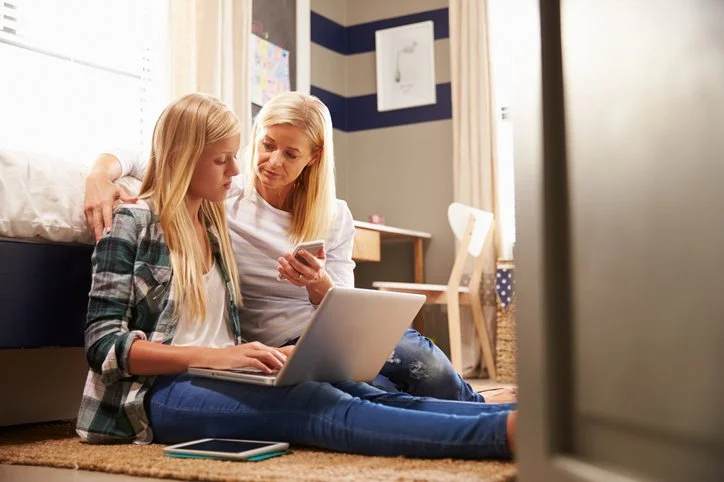
With everybody struggling now more than ever, I see a few major habits in my clients living with ADHD that hurt their mental health more than help them. Let's look at these behaviors and explore how you can make a few shifts that will improve your family's daily living and relationships. Instead of trying to change all of these at once, pick one to work on at a time. Notice any progress with specific praise and be patient. Change take time and practice. 
- Spending too much time on social media: Social media not only seems to use up time faster than everybody notices but it also is built to so that people compare themselves to others. These comparisons are rarely favorable and people walk away with not feeling positive about themselves. As one adolescent girl told me, “No one ever posts pictures of their face mid-menstrual break-out or of their bombed test grade.” Kids feel pressured to keep up with friends, stay in touch and maintain an image that they’ve created. For kids with ADHD who often struggle socially, this creates more stress in their lives. This tension interrupts their ability to reflect on themselves, what they think and create a sturdy sense of self.
 Solution: Make sure your son or daughter has in-person, COVID safe interactions with peers to balance online socializing. Talk about FOMO and explore the difference between what kids worry about in their minds and what's actually happening with their friends. Help them create a conversation starter if they are shy or a practiced response when they overwhelmed. Many kids with ADHD need help having a phrase or two in their vocabulary to facilitate connections with peers. Talk with them about the cultivated images other kids post about themselves and how those may contrast with who they are inside. Normalize their insecurities and social challenges and experiences most kids deal with as part of growing up.
- Eating meals on the run: So many kids eat fast food or grab something to munch while watching Youtube videos. Many families eat dinner in front of the television with little conversation. Sitting together to healthy meals build connections while modeling how to slow down and eat socially. When kids rush to gobble a slice of pizza and chips, they’re not providing their brains or bodies with the appropriate fuel needed to think and function well.
 Solution: Sharing a meal is not only good for our physiology but it also provides an opportunity to connect with people face-to-face and talk about our lives. During a sit down meal, our bodies slow down and properly digest our food so we can absorb the nutrients and simultaneously take a much-needed break from the chaos of our lives. Set aside a few times per week to have a family meal if you can't do this nightly. Ask your son or daughter about "a high and a low or a happy and a crappy" moment that happened during the day. Even if the meal is short, you're showing them the importance of healthy eating and how meals are social events.
- Having arguments via texting, messaging or emailing: Disagreements that happen over texts can often inflame situations instead of lowering tension. Kids often say things over text that they wouldn't say in person either because the statements are inappropriate or because young people lack the courage to communicate their thoughts this way. Since we can't see or perceive the effects of what we are saying via online communication, there’s no way to detect how how the other person is perceiving those words and feeling inside. It’s easier to disengage and avoid accountability for your words and actions.
 Solution: When we communicate face-to-face, we can detect these reactions. Kids need to learn and practice interactional skills not only for healthy personal relationships but also for school and other life situations where they have to deal with others. Practice direct communication at home with attentive awareness. Give neutral feedback when you notice your son or daughter is upset by saying "I heard you say X, did I get that right?" or "I notice that you are starting to raise your voice. Can you please change your tone?" Ask them to notice your facial reaction and what this is showing them. This helps them become more attuned to the impact of their words and actions on others. Brainstorm other ways to deal with relationship issues so they understand the options they can rely on.
ADHD and Screen Sanity: Why a digital break is good for everybody right now
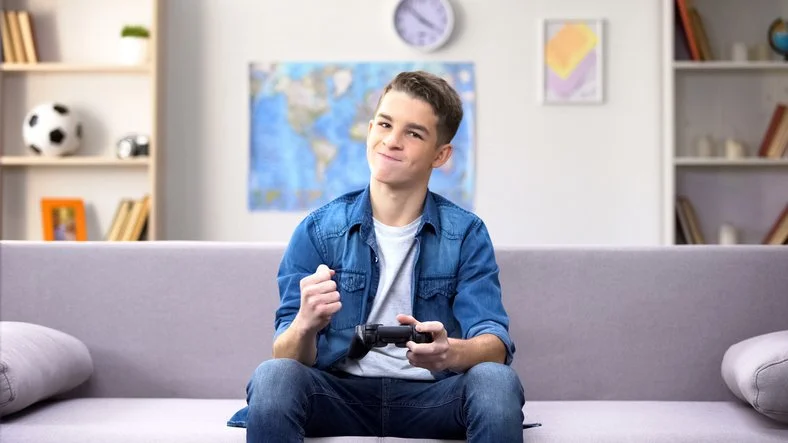
 For many students, families and educators this fall, school as we’ve known has changed. Hybrid or remote learning means spending up to seven hours daily online for classes and then more time for homework. Many kids like to relax and connect with their friends via gaming, social media apps or FaceTime. Can overusing technology be a problem for the mental health of kids with ADHD? Can it lead to emotional and/or behavioral difficulties? How can you help your family better manage ADHD and screens at home?
Concerns about ADHD and screen overload
Mood and social connections
When kids with or without ADHD spend too much time on screens, they often become more irritable, lose skills for entertaining themselves and develop fewer critical relationship skills (such as reading facial cues and body language, even with masks on).
Movement and exercise
Risks for obesity increase as the lack of physical exercise and fitness goes down. Exercise, on the other hand, would produce important endorphins and hormones that improve emotional as well as physical well-being.
Anxiety and FOMO
Many of kids and teens with ADHD are already prone to anxiety or dealing with anxiety disorders: 34% of kids with ADHD have a diagnosis of an anxiety disorder. They can become more anxious--worried about FOMO (fear of missing out)--about what they are missing online or how to engage with peers virtually. Many feel pressured to upgrade to new and better equipment. In addition, isolation from less in-person peer contact intensifies the possibilities of depression and social anxiety. The combination of ADHD and screen overload makes it hard to learn and practice skills such as reading facial cues or body signals, having casual conversations or nurturing friendships. 
Manage ADHD and screen time with regular digital breaks
A daily, if not weekly, digital break is an effective tool for improving mental health and giving technologically overtaxed eyes and brains time to recoup. By taking a break from being online, children and teens with ADHD can focus on other areas of their lives. They can nurture interests, activities and interpersonal relationships. They’ll connect to and develop other parts of themselves that improve self-esteem and foster positive moods. Whether it’s cooking, shooting hoops, listening to music or walking the dog, their brains and their eyes need time to recover from processing visual information.
Aim for consistency
Set aside some time each day or maybe once per week without technology. Meals are a good place to start. Then, if you can, expand this to a few hours or even one day a week.
 Include the whole family
Creating a digital break doesn’t have to incite meltdowns and explosive family arguments. If you make it something everybody does, then it’s more likely to go over better. What kids, especially those with ADHD, can’t stand is when parents tell them to get off their devices while their parents stay on their own phones or iPads. Of course, you may need to make a plan with extended family or work for handling emergencies. Clarify this exception right from the start.
Make it fun for everyone!
 Instead of “doing nothing” during this time, or only dreaded chores, plan a fun family activity that may include raking leaves followed by ice cream. Or, ride a bike or take a walk to a favorite taqueria. Even thirty minutes daily can offer much-needed relief and give you a chance to interact as a family. If you’re lost about ways to start a conversation, try asking about “a happy and a crappy” of the day or week. One of my clients shared this with me and I laughed aloud. It sounded more fun than my simple “a high and a low.”
Maintaining ADHD and screen sanity in the long run
By taking these breaks from various types of digital life, you can give your family and yourself some space to do something else without FOMO. Everything--social media, gaming, surfing the net--will still be there when you return. While managing ADHD and screen time with a digital break will be challenging at first, the long-term pay-offs are worth it. Stick with it, and negotiate the terms of how and what screen-free time looks like. Expect pushback, and do it anyway. You've got this!
Learn more:
- ADHD and Technology: Sensible Solutions to Screen (In)Sanity
- Kick off the Summer with 6 Easy Strategies for Better Living with ADHD
https://drsharonsaline.com/product/managing-technology-families-video/ https://drsharonsaline.com/product/online-learning-tips-for-parents-bundle/

What We Eat is Something We Can Control Now

 During this pandemic, we all are experiencing heightened anxiety and there is so much we can't control. What we eat is luckily something we can control now. Some foods are good for our physical, emotional well-being, and some are not.
22 News Mass Appeal: Understanding and managing the anxiety of returning to school

CHADD Webinar: "Off You Go!" Helping Your Teen Navigate The Transition From High School To The Next Chapter


Additude Mag: Distance Learning Meets ADHD (Again): Smooth the Transition Back to Remote Schooling



The Enrollment Management Association: The Big Pivot: Preparing Your Community for an Unusual Back-to-School Transition



Additude Mag: Q: Why Is My Child with ADHD So Angry and Violent Now?

22 News Mass Appeal: Understanding and managing the anxiety of returning to school

How to Nurture Yourself When Preparing for Back to School

 It’s essential for parents and caregivers to take care of themselves during these times because we’re talking about a marathon, not a sprint. When you listen to the talk on an airplane about oxygen masks, you’re told to put one on yourself first and then on a child. It’s the same principle here. Factoring in self-care to an already full life of work, family and now hybrid learning can be complicated. In fact, it’s usually the first thing to go out the window when people are stressed when it should be one of the last. You have to take care of yourself so you can take care of others. Exercise, nutrition and emotional support are key elements to helping you run this long, arduous race. Here are a few tips:
- Get some physical exercise: Not only will your body and your brain benefit enormously from the endorphins that exercise produces but you will also feel less resentful because you’ve done something good for yourself in the midst of all of the stress in your list. Make a list of two types of activities you could actually do: one at home and one before or after school. For the first list, include taking the stairs or seated/wall yoga poses to do when you need a break. For the second list, identify times and activities of exercise that you ENJOY and want to do. Decide how often you can do something and put it on your calendar with a reminder alarm. The goal is to use your body to help you let go of stress, not to get into the best shape of your life.
- Eat well: Many parent are tired of cooking and shopping so you may have limited food selections or they’re not what you desire. You need fuel for this marathon so make a list of healthy snacks to purchase the next time you go to the grocery store.
- Ask your friends for assistance: People who care about you often feel confused about how to help you so they’re happy to do lend an ear, or bring dinner. When I ask a friend how I could help, she asked me to go to Trader Joe’s and buy her a container of dark chocolate pecan candies. I was so happy to do this. For the next six months I bought her a package of the candies. My friend was very appreciative, and even though it was a small thing, I felt like I was easing her burden in some way.
- Meditation: Take some each evening before bed or each morning as you awaken to be with yourself. Guided meditations on Apps such as Headspace, Mindful or Insight Timer can be a great way to start or end your day (or both) with a sense of personal calm, insight and hope. This internal spacial-ness will assist you as you deal with the chaos of caretaking.

At-Home Learning with ADHD: Creating an ADHD-friendly learning environment
 Studying in bed? Doing homework on the couch while watching television? Hybrid and remote learning are challenging for so many kids and parents. If you want your child or teen with ADHD to show up for their remote classes with focus and concentrate on their homework/classwork, they’ve got to have a designated study space. For many students with attention or learning challenges, going to class in their rooms with their doors closed may well mean that they are multitasking, distracted and switching from school to social media or gaming. Despite their pushback and complaining, they need an ADHD-friendly environment to help them thrive with at-home learning with ADHD.
School is still in session.
While it’s important to empathize with your kids' boredom or frustration, you’ve also got to make sure they can get their work (or some of their work) done each day.

In addition to establishing a thoughtful daily plan, you can facilitate academic focus and participation by putting together a home study spot. These study spaces don’t have to break the bank. What’s most important is that you’re clarifying what it means to be working versus what it means to be off-duty and where this activity will occur. When kids with ADHD and learning challenges have routines and areas that are dedicated to learning, it’s easier to begin and stick with academic tasks.
Of course, you can’t reproduce school at home. But you can set up an environment that mimics school as much as possible. This aids kids to enter a space that is conducive to thinking and study while simultaneously fosters the organization of their materials, books and technological devices. Remember, you’re entitled to having IEP and 504 accommodations during this time, so ask your school for any resources or tips you may need.
Create a supportive at-home learning environment for kids and teens with ADHD:
1. Create a weekly family meeting.
This is a time to discuss expectations, concerns, review routines and study plans and explore options for things that aren’t working. When you have a weekly meeting, everybody knows that they talk about what they like and what they don’t at a specific time just for that purpose. Some families do this twice a week for shorter discussions; others do it once a week for longer check-ins. Brainstorm what will work with your kids: when they participate in creating a plan, they’ll have more buy-in. Of course, as the parent, you get to make the final decision but please take their opinions into consideration.
2. Make a daily routine and post it.
Kids with ADHD especially benefit from some structure and knowing what to expect. Break up the day into blocks of time forgoing to classes, studying on their own (worksheets, projects, assignments), movement and snack breaks, lunch, going outside, homework, chores and fun screen time.

Be as specific or general depending on what suits your child or teen. Some kids like having activity periods and they can choose what to do from an agreed upon list; others like a more predictable plan. There's no one-size fits all for at-home learning with ADHD.
Whatever you choose, post write it down and post it in the kitchen and in their bedroom. Visual reminders are key for these alternative learners. Try to work alongside your kids or in their presence so it’s clear that certain blocks of time are family work time. Then you can observe their level of participation, take breaks together or offer academic support.
3. Name a study space and personalize it.
 Whether it’s the same spot at the kitchen table, a folding tray that you set up each morning or a desk in a common office, decide where your child will study. Make sure your kids have headphones and are separated into different rooms or different areas of the same room.
Consider getting desk dividers if you have more than one child at home are they are sharing a table. Adjust their screen height so it’s at eye level to avoid neck and back pain, the brightness to reduce eye strain and make sure their feet can reach the floor so they are grounded.
Put together a special storage space like a locker for their books, notebooks or other supplies: use a plastic box, milk crate or make a cubby. This will help them organize their stuff. Discuss how they can personalize or decorate their home study space to make it more comfortable and inviting.
4. Foster time management.
Kids with ADHD often struggle with time blindness. They don’t understand what time feels like, and they’re not aware how to keep track of it. Purchase an analogue clock or timer to teach them this skill. They  need to see time move to grasp it.
Help kids engaged in at-home learning who have ADHD use technology to their advantage--set up alerts and alarms on their phones, or use banners on their devices as reminders. Put these clocks and timers in their study space.
If your child or teen has trouble with time management or completing assignments, talk to the school and ask for assistance.
5. Practice empathy.

Just as it is hard for you to get things done at home sometimes, it’s even harder for your child or teen. Instead of anger and resentment, go with compassion. Most kids don’t want to learn from home any more than you want them there.
In those tough moments, manage yourself before dealing with your son or daughter. When you’re calmer, you can be more open and caring towards them. They simply don’t have the mature brain that you do to process all of this disappointment, isolation and distress.
If they are getting upset, they are showing you that they lack the personal resources needed for the task at hand.Acknowledge their frustration first; problem-solve later. Your empathy will go a long way to diffusing the intensity of their situation and build deeper, lasting connections.
Read more blog posts:
- ADHD Teens and Remote Learning: 5 tips for learning success
- Back to School with ADHD and COVID Uncertainty (again)
- Returning to School with ADHD: Tips on helping anxious kids transition smoothly
Watch on Dr. Saline's YouTube Channel:
- How to Help Your Children Transition Back to School Smoothly (WWLP 22 News Mass Appeal interviews Dr. Saline)
- ADHD Students: Tips for Transitioning Back to In-person Learning (ADDitude ADHD Parenting Q&A with Dr. Saline)
- Help Your Kid Overcome School Anxiety (Operation Parent Webinar with Dr. Saline)
Deeper Dive: https://drsharonsaline.com/product/online-learning-tips-for-parents-bundle/ https://drsharonsaline.com/product/home-seminar/
Free access to summit on helping teens be their best selves
 Hi there--- Do you feel disconnected from your teens? Are rolling eyes and door slamming a part of your everyday life? Would you like more cooperation and less frustration in your family? If you answered yes to any of these questions, then I want to recommend this for you. My friend, Zhanna Shybaila, educator, behavior specialist, and mentor for teenagers, has put together a terrific summit all about parenting teens. “Unleash their poTEENtial:” How to empower your teens to improve their self-image, master social skills, and get them fully engaged in their own lives starts tomorrow August 31. There are 20 speakers who have come together to share their knowledge on the well-being of teens and how to strengthen family relationships. I have a complimentary ticket for YOU to attend. Just enter your name and email in the box on this page and hit “get access.” You can register using this link: https://unleashtheirpoteential.com/SharonS In this summit, Zhanna and I had a great talk about ADHD and learning differences, reducing everyday stress and cooperation during COVID. This presentation will not only discuss how can parents support our teens during homeschooling, but also about how we help them to organize their school routine, so they would be less distractive during school hours. We'll look at if you need to monitor teens’ work time, how much can you trust their independence, managing screen time and improving executive functioning skills for teen and young adults. I hope that you'll check this out because I think you will find a lot of value in the sessions. Best, Sharon P.S. In case you're wondering who the speakers are, here are some of them: Gene Carroccia- ADHDology, Bob Dietrich- ADHD toolbox, James Anderson- Mindset, "Mindful by Design", Stephane Provencher- "Billionaire Parenting", Chuck Geddes- Complex Trauma Resources, Joan Rosenberg- Anxiety, Emotional Mastery, Sharon Saline- ADHD, Learning differences, mental health, Christina Bjorndal- Trauma healing, Rose Buono-Stress Assessment, and Hypnotherapy and of course yours truly Sharon Saline- on ADHD and learning differences.

Millennial Loneliness and Depression


It can be hard to make friends as adults:
People often feel like it’s hard to make friends as an adult because, quite frankly, it is. When we are in college or technical school, we have a community made for us and we share common goals and interests. We spend time each day or week together. You don’t have to look far for peers because they are all around you. Once young adults have transitioned to living on their and working full-time, the social networks are less obvious. You may have friends at work or you may not. In addition, you may be living in a new place where you lack historical connections to people or a familiar community. Be shy and/or suffering from social anxiety doesn't help either. Millennial loneliness and depression is real and a challenge to cope with.
Social media increases millennial loneliness:
Women in particular are socialized to develop a sense of themselves based on their relationships. These interpersonal networks help define us and give us purpose. Social media increases loneliness: women have superficial contact with others, often based on short text exchanges, photos or quick responses. Girls and women are developing an inner notion of who they are based on the number of likes they have and how engaged they are online with others. Ultimately, these ways of relating with others are less satisfying than in-person conversations, time spent together and sharing real time experiences.
Aim for Balance:
To build a community, aim for balance between social media and real time interactions. Folks need a few friends, not an entire posse, to feel like they matter and make a difference. Meet up with friends and talk in person more than texting, Snapchat or Instagram conversations. Pursue what interests you and join a club, take a class or volunteer for an organization. By participating in these activities, you’ll make natural relationships, share experiences and build a stronger sense of self to feel less lonely and more fulfilled.
Watch Dr. Saline's advice on depression, loneliness and teens and millennials.
Learn more:

22 News Mass Appeal: Back to School Week: Start The New School Year With The Right Study Habits
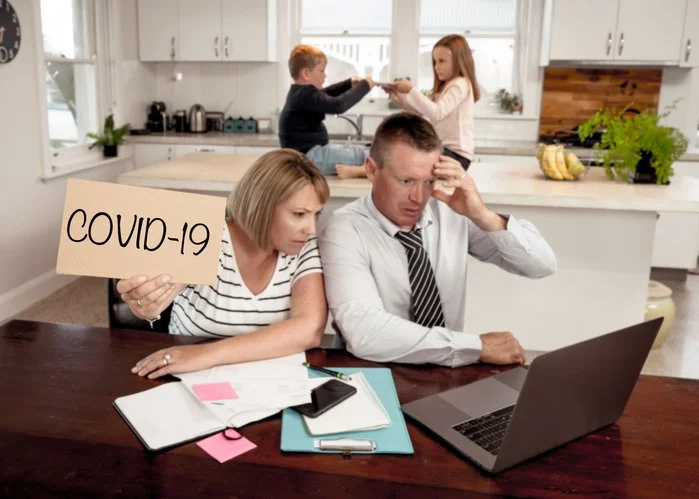
4 Straight-forward, Practical Hacks for Managing Your Anxiety TODAY
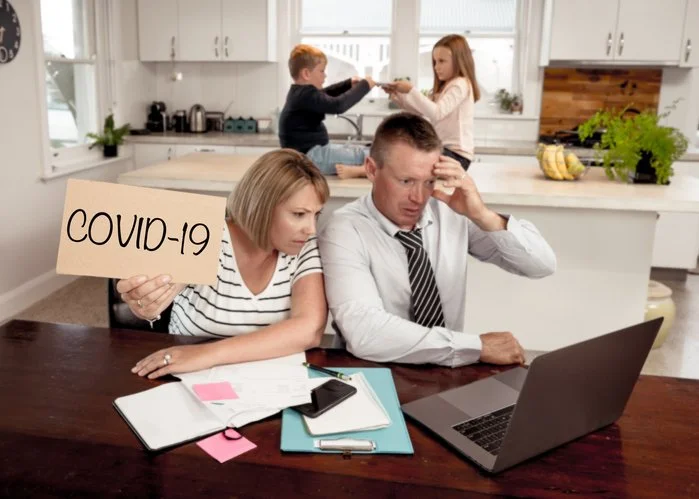
It’s natural for parents to feel stressed and anxious right now. Whether your kids are going back to school in person or a hybrid learning situation, there are complicated issues facing families everywhere. Anxiety wants security and certainty and, with COVID related risks, we just don’t have much of that these days. To help you manage your anxiety, try these tools:
- Identify what you can control: Rather than focusing on what might happen and the possible negative outcomes from that, shift your attention to proactive action. What steps can you take to protect your child and yourself as much as possible? Get as informed as you can about your school’s policies and decide whether those make sense to
 you and your family. If not, explore what choices make you feel most comfortable. Give your student the tools they’ll need. Provide your child or teen with masks and hand sanitizer. Show them what physical distancing looks like: use a tape measure to demonstrate six feet. Review hand-washing techniques and the importance of not sharing food or drinks. Set up a routing of hand sanitization when they come home from school.
 - Brainstorm solutions to challenging social situations: Your kids will need some help figuring out what to say when other kids aren’t wearing masks or social distancing. When you work on this together, you’ll lower your anxiety as well as theirs. Create a few easy-to-remember statements with them such as “I’d like to play with you during recess. Will you wear a mask to make it safe for us?” Or, “I’m sorry but I’m not sharing my lunch these days but your sandwich sure looks good.” Or, “I’d love to come over and hang out but I have to check with my parents.” When kids have clear language that gives them a way out of sticky situations, they’ll be less likely to succumb to peer pressure. This will be reassuring for you.
- Put a centering activity into your daily routine: Whether it’s five or
 thirty minutes of meditation or yoga, a walk, run or bike ride outside or dancing to your favorite song each morning, find something that makes you feel good and do it. We need those wonderful endorphins from exercise now more than ever. The benefits from daily yoga and/or meditation will help you practice how to monitor your reactivity and use your breath or slow movements to calm yourself down during those inevitable stressful moments. Make a list of quick calm-me-down activities when you feel nervous that includes changing your environment (go to a different room or get a breath of fresh air), drinking a glass of water, saying a positive affirmation that you believe or going to the bathroom and splashing water on your face.
 - Recall past successes in times of stress: Anxiety is very skilled at fostering amnesia about our personal resources and strengths. In a quiet moment, think about some challenging times in the past and how you overcame them. What personality traits and life skills assisted you? How can you apply those strengths to this situation? Write down some of your reflections so you can refer to them in a tough time. Ask for support from caring friends and family members to help you use some of these tools when you’re feeling particularly worried.
