

Holidays and Family Estrangement

 Family estrangement refers to the loss of a former relationship between parents and children, siblings or other extended family members. Holidays are times when this estrangement can lead to anxiousness, PTS and other conditions. Estrangement reflects physical or emotional distancing and minimal contact or communication for an extended period. It can result from many things: physical, sexual, verbal, child or elder abuse, neglect, divorce, trauma, money, inheritances, substance abuse or something else. When people are estranged from their parents, their feelings may often be complicated. There may be a mix of relief, grief, sadness or anger. Often they see the decision to cut ties with that family member as a life-saving measure.
Estrangement: An example
One young man I’ve worked with was sexually abused for 5 years as a  child by his older, schizophrenic brother after his father died. When he finally told someone at his school, the Department of Social Services intervened. He was moved to his aunt’s house where he lived until graduation. Since he has no contact with that brother who currently lives with their mother, he also has no communication with her. This is a choice he made for his own mental health. He believes his mother chose his brother’s well-being over his own. In order to move on with his life and cultivate healthier relationships, he needed to sever their communication. He still deals with his traumatic past when memories arise periodically, but he’s been able to find a loving partner and create his own family.
How to manage the holidays with estranged family members
If you decide to see estranged family members over the holidays, it’s critical to establish clear, firm boundaries about your contact. Consider emailing in advance. Let et them know what you don’t want to discuss and what you do. Often these visits can be very triggering and activate old wounds.
If you feel afraid that the contact will not be safe for you, it’s okay not to push yourself.
Ask yourself these questions if you choose to interact:
-
-
 How long can I actually spend with this person before I start to feel overwhelmed or uncomfortable?
- What is my safety plan for when I am triggered?
- Who is my ally in this situation? What is my plan for checking in with them throughout the gathering?
- How can I appropriately leave when I need to and where will I go?
- Who will help me process this experience when it’s over just in case I need that?
-
Whether you choose to connect with an estranged family member or not, check in with yourself. This has been a hard year, make sure you aren't putting more on your shoulders than you can handle this year.
Read more blog posts:
- Family, Forgiveness and ADHD: Loving and letting go, during and beyond the holiday season
- Plan Now for A Happier Family Holiday Season
- Gratitude in an Age of Uncertainty
Source: Span, P. (2020, September 10). The causes of estrangement, and how families heal. The New York Times. Retrieved December 20, 2021, from https://www.nytimes.com/2020/09/10/well/family/family-estrangement.html

Gratitude in an Age of Uncertainty
 It’s clear that this holiday season won’t look like anything we’re accustomed to. Unable to gather safely with beloved family and friends, many of us (myself included) are planning for much smaller dinners. With all of the uncertainty we’ve been facing as individuals and as a country, it’s more important than ever to teach and practice gratitude for what we have and what’s gone well. How can you do this when you (and your family) may be frustrated, disappointed and anxious?
Gratitude: Thankful

The Cambridge Dictionary defines gratitude as “a strong feeling of appreciation to someone or something for what the person has done to help you." I like this definition because it’s grounded in human relationships, and is more specific than ‘being thankful.’
For some people, it may be easy to feel generally thankful. For others, it may be tougher. Perhaps someone you care about has been sick or died; your children are struggling with remote/hybrid school; or you are dealing with food, housing or job insecurity. Whatever your particular situation may be, shifting the focus and noticing how someone has helped in recent months may open your eyes and your heart to a more accessible type of gratitude.
Expressing appreciation can lead to stronger relationships

In our crazy busy lives, we may toss a perfunctory ‘thank you' for a small act of kindness without wholeheartedly expressing it. Though we may value a patient teacher, an attentive nurse or a competent mechanic, we often don't take the time to let them know. I believe that the holiday season, starting with Thanksgiving and continuing on through the New Year, offers us an opportunity to express genuine gratitude with people who have touched our lives.
Children and teens with ADHD, who may miss social cues or be unaware of how their actions impact others, really benefit from slowing down and taking stock of helpers in their lives. Teaching kids to notice how people treat them and how to acknowledge consideration and generosity shows them that these qualities matter. They learn compassion, understanding and empathy.
Here are a few tips to practice gratitude in your family this year:
1. Notice what you have, not what you don’t.
We all can live in the ‘shoulds’ and ‘wants’. “I should be able to do X.” “I want a new phone.” When your son or daughter rails on how unfair it is that they don’t have this or that, trying to convince them otherwise wastes your time and energy. Instead of lecturing them and going negative yourself, take a deep breath, validate their longing and encourage them to keep a list of what they want for the future. Try not to engage but, if you must say something, remind them to focus on what they have and set goals for getting what they want.
2. Build awareness of gratitude: A family activity

Grab a stack of Post-Its or scrap paper, and gather your kids together for a 15 minute activity. Ask them to write down 3 specific things in their lives that they appreciate. From sports teams, to their iPad, to hot showers--anything is acceptable.
Next, ask them to connect those items to the person who made sure they happened or provided them. Post these on a large piece of paper, bulletin board or wall in a common area, such as the kitchen or living room. This activity helps your kids see that the cool stuff in their lives is linked to real people.
3. Express gratitude, simply or creatively:

Similar to learning how to give an authentic apology, kids with ADHD may not express appreciation as we typically expect. While eye contact and a heartfelt ‘thank you’ are ideal, your child or teen may do better with writing or expressing their gratitude in other ways.
Consider doing something fun this holiday: Write everybody’s name down on separate pieces of paper. Then, place them in a hat. Have each family member pick a name, and then write or draw a thank you note for an act of kindness that person has shown during the past week, month or year. Place these notes on plates, and open them together before your meal.
The day after Thanksgiving is also a holiday
 The day after Thanksgiving is often filled with Black Friday shopping. But, it’s also a holiday. On October 8, 2008, President George W. Bush signed The Native American Heritage Day bill into law. This day is designated to pay tribute to Native Americans and their important legacy. Consider taking a few minutes to talk with your children about these contributions and how they have enriched our lives.
Read more blog posts:
- Holidays and Family Estrangement
- Back Together with Gratitude: Managing your emotions and expectations during the holidays
- Family, Forgiveness and ADHD: Loving and letting go, during and beyond the holiday season
Source: Meaning of gratitude in English. Cambridge English Dictionary. (n.d.). Retrieved December 20, 2021, from https://dictionary.cambridge.org/us/dictionary/english/gratitude

Reducing Teen Stress and Anxiety during Pandemic

The Enormity of the COVID19 Experience
 My heart goes out to teens and young adults. Staying compassionate, offering to collaborate on tasks and being available to talk through emotions is critical in reducing teen stress and anxiety during this pandemic. Don’t try to solve issues. Offer suggestions and avoid getting hurt if they aren’t taken. Young adults often like to figure things out for themselves, which means trial-and-error learning. Sometimes the best support you can give is managing your own frustrations, sharing your feelings without blame or guilt and validating their successes.
Strategies and Practical Approaches that WORK
- Help teens acknowledge these uncomfortable feelings without trying to fix them - It’s natural to have low morale and feel stuck right now. This situation is no one’s fault and everybody is trying hard to manage the best they can. Focus on building their resilience. Consider past difficulties and reflect on how they overcame them. Explore how those strategies could apply to current challenges. Write these strategies down so teens can refer to them later.
-
Set realistic and appropriate goals - Teens may not be able to concentrate with hybrid learning as well as they have in the past. Keeping that in mind, work together and come up with do-able daily and/or weekly routines. Collaborate on a daily schedule that includes timed work and break periods, exercise, physical distance socializing and screen-free times. Having a reliable routine will keep kids grounded and on track. It helps them with predictability in these uncertain times.
-
Instill gratitude - every day, no matter how small, find one thing to be grateful for. Eating a yummy dinner, FaceTiming with a dear friend or
 playing a fun video game. It’s easy for teens to dismiss what they have in favor of longing for what they don’t. Help them shift their perspective to see the positive things that are going on instead of focusing on the things they are missing.
 -
Wonder instead of worry - When teens don’t know what to expect and feel perpetually uncertain, their anxiety increases. In these times, they’re likely to act out because they may not have the language to express the combination of anger, frustration, sadness and worry that’s underneath their behavior. Help them tolerate the insecurity and pivot. Being curious instead of worrying means wondering about possible outcomes from a place of confidence that they can handle whatever arises.
To be honest, I used mental health days with my daughter when she was a teenager. About twice a semester, she would hit a wall: she needed sleep and some down time to get her head back in the game. So, we periodically gave her a “Sick-and-Tired” day off from school. It wasn’t planned but we had agreed as a family in advance that she could have 2 such days per semester. It was a successful collaboration: she felt that she got the mental health day she needed and we saw a positive difference when she returned to school.
Deeper Dive:
https://drsharonsaline.com/2020/06/30/whats-a-normal-level-of-anxiety/ https://drsharonsaline.com/2020/03/10/kids-and-mental-health-days/

22 News Mass Appeal: Children and politics: How to address anxiety and validate concerns



ExQ Infinite Know How: Confident and Curious Webinar



Teens with ADHD Habits that Hurt their Mental Health and How to Change Them
 In the course of the past few months, I’ve seen a few major habits in teens that seem to be hurting their mental health more than help them. Here are my recent observations and some tips to turn these behaviors around.
Too much time on social media
Social media not only seems to suck up time faster than you notice but it also is built so that people compare themselves to others. These comparisons are rarely favorable and people walk away with not feeling positive about themselves. As one adolescent girl told me, “No one ever posts pictures of their face mid-menstrual break-out or of their bombed test grade.” Teens especially feel pressured to keep up with friends, stay in touch and maintain an image that they’ve created. This creates more stress in their lives which interrupts their ability to reflect on themselves, what they think and create a sturdy sense of self. Tip: Schedule screen-free time during each day. Whether it’s during a meal or after-school to take a break, help teens create some screen-free time to give their eyes and their brains some much-need time away from technology to recover.
Eating fast food on the run

We are so much of what we eat and we eat non-nutritious food quickly, we’re not providing our brains or bodies with the appropriate fuel needed to think and function well. Sharing a meal is not only good for adolescent physiology but it also provides an opportunity for them to connect with people face-to-face and talk about our lives. During a sit down meal, our bodies slow down and properly digest our food so we can ::absorbe the nutrients and simultaneously take a much-needed break from the chaos of our lives. Tip: Create regular family meals in your routine. Set aside particular days and times when the family gathers together to share some nourishment. Engage your teen in cooking as well. This is a great opportunity for them to learn a useful and rewarding life skill as well.
Having arguments via texting or emailing

Nobody can take an emotional weather report via electronic communication. If you say something difficult or sensitive this way, there’s no way to perceive how your words affect the other person. You also may not perceive whatever feelings are brewing inside them. It’s easier to disengage and avoid accountability for your words and actions. Teens need to learn and practice interactional skills not only for healthy personal relationships but also for school, work and life situations where they have to deal with others. Tip: Assist your teen in dealing with issues more directly, either by phone call, Zoom or safely in-person. Help them come up with some phrases they can say and role play these conversations so they feel more comfortable and confident.
Giving up before they even start

Many teens with ADHD struggle with low motivation, negative outlooks and avoidance procrastination. They put off activities--homework, chores or hygiene--because they don’t enjoy them and may not see the value in them. Many kids have a history of not succeeding despite exerting themselves. They don’t believe that they can do anything differently now. An adolescent boy told me, “I’ve tried before and failed so why would it be any different now?” Tip: Break tasks down into smaller chunks. This will make projects more manageable. Help kids recall times when they made efforts and succeeded. Clarify what tools and actions they had used. Notice their efforting--their progress towards a goal and encourage them along the way.

Message to Tween, Teens and Young Adults During Covid

This can be a tough time for emerging adults.
Seven months into the pandemic, and things are still "far from normal". You’ve lost so much of what was familiar, valued and fun in your lives--being on campus and attending in-person classes, socializing with peers, working, romantic relationships, etc. It’s natural to feel sad, lonely, anxious, frustrated and disappointed. These are some comments I hear from my clients: "I can't do anything!" "School is now only Zoom. ,All the good stuff is gone, and all we do now is work." If your parents or other family members are pressuring you to do more, be happy and act grateful for what you have, it’s really important that you let them know how you feel. You’re struggling a bit. You need empathy not criticism. Consider saying something like: “This has been a hard time for me and most people my age. I’m doing the best I can to shift and accommodate the changes but some days it’s tougher than others.”
Don't Struggle Alone
Contact your primary care provider or your college’s counseling services to get the names of mental health practitioners if you find that you’re:
- sad or anxious most days
- lonely and need someone to talk to
- your sleep or appetite are disrupted (too much or not enough)
- have trouble concentrating or taking pleasure in activities that you once enjoyed overusing alcohol or drugs
Ask for Help
Ask your parents if they can assist you in finding someone to talk to which can be intimidating and complicated for many young adults. Try telling them: “I think it would be good for me to find someone to talk to. I don’t want to worry you. I just have some things on my mind that I’d like to sort out.” Since untreated anxiety leads to depression and persistent depression is a debilitating condition, get some help now before things take a more serious turn.
Don't give up. Something good is around the corner, promise! Learn more about School and Learning

ADHD and Anger: Tools for Reducing Family Conflict by Starting with Yourself
 It’s amazing how a small spark of miscommunication or defiance can trigger an explosion in families, especially those living with ADHD. For kids who struggle with executive functioning challenges including working memory, behavioral control and emotional regulation, parents aren't often sure how to prevent or subdue these fires, symptoms of ADHD and anger, consistently. Instead, you end up playing whack-a-mole--going from one crisis to another and feeling increasingly burned out by the stress from these intense interactions. How can you prepare for the unpredictable nature of angry outbursts, without also resorting to unproductive threats, fruitless punishments and yelling?
Step One: Understand the Root of the Anger

The first thing you need to do is look at the process of anger instead of focusing on its content. Your kids can push your buttons like nobody else. It’s almost as if they are wired to know what triggers you and sets things off. You do the same for them. Whether it’s conscious or out of our awareness, family members irritate each other. During this time of hybrid or remote learning with extended and increased family time, everybody’s fuses are short. As parents, we may forget that kids with and without ADHD annoy us and push back for several reasons:
-
-
- To get what they want.
- Because it can be fun to see you get upset.
- In an effort to create space or separation
- When they feel upset and can’t contain their feelings
- To demonstrate independent thinking or actions
-
Kids with ADHD, because of their slower-to-mature executive functioning skills, may engage in these behaviors with more frequency and intensity than their neurotypical peers. We have to help them learn to manage better by monitoring ourselves first.
Step Two: Know the Parents' Role
 As parents, our job, regardless of how provocative our children and teens may be, is to stay steady, centered and neutral. Of course, it’s tough to be calm when your son is cursing at you because you told him to stop gaming now or your daughter is crying because she’s exceeded her time limit on her phone and wants more. Most of us just want the arguing and tears to stop. So we do whatever it takes to make that happen--even if it means giving in to their demands, backtracking on what we say we were going to do or screaming louder to dominate and frighten them. These solutions will not improve your situation.
Step Three: Give Kids the Tools to Manage Emotions
Kids with ADHD need tools to manage the big, tidal waves of emotion that threaten to swallow them up. Sometimes, they will keep on arguing and pushing you even though they know things will end poorly.Marla, age 14, told me: “I don’t want to give in or I can’t give in. Then I’ve lost.” Letting go seems like another failure. Delay tactics, avoidance, and denial are all methods to distract you from holding onto yourself and choosing a different response.
 When young male deer or elk come of age, their antlers are covered in velvet. These bulls need to remove this velvet and they rub against trees to do this. They eat, drink, frolic with comrades and continue to come back to the tree for respite and aide.
  They need assistance taking off their velvet and transitioning to adulthood. Our children do the same. We are the tree: we stay rooted, we weather storms, we offer protection, we may be punctured by a sharp poke from an antler. But we are steady, dependable and strong. The tree never yells at the elk and tells them to back off and go away. The tree may lack the necessary bark to help with the removal of the velvet and may not be able to meet the buck’s needs. That is okay. The bull can roam elsewhere, eventually returning for another attempt to rub away the remnants of adolescence with the bark of that familiar tree.
Now I’m not saying parents should be silent trees, absorbing abuse from their children. Rather, I’m advocating a position of self-Control rooted in self-awareness and patience. Of course, you have to set limits about inappropriate language, aggression and harmful behaviors. You are still responsible for the health and welfare of your son or daughter and your own sanity matters. What I’m suggesting is that you use this example as a metaphor: to actively say to yourself when your child is having a meltdown (as one of my clients does), “I’m being the tree. I’m being the tree instead of exploding.” You use it as an affirmation, as an image of strength, as a comfort that this too will pass.
Step Four: Practice the 4 P's.

Kids have told me over and over that they don’t like conflict in the family any more than their parents do. This is your golden ticket to reducing arguments with them. Follow these steps to change your approach and respond differently when anger rears its ugly head:
-
-
Predict:
Although each situation may vary, the process of how your child or teen responds when they are angry is more consistent. What are the types of responses you notice? How were these issues resolved? Jot down some of your ideas. Then schedule a calm time to discuss the anger pattern with your son or daughter using neutral statements such as “I’ve noticed...” or “It seems like...” Share a few observations about your reactions too.
-
Prepare:
Preparation leads to success. No, you can’t plan for every situation or eventuality but you can have a basic, consistent approach for when someone is showing you with their bodies, words or actions that they are triggered and losing it. Use Stop, Think, Act (see resources) and plan for a Time-Apart until things cool down. Together, make a list of soothers (activities that settle someone down) to assist with this process.
-
Practice:
Collaborate on how you’ll decide to call for a Time-Apart and which activity to use. Set a time-limit for this period of regrouping. Remember that it takes the nervous system at least twenty minutes to recover from an acute stress reaction which includes intense anger. New skills and patterns require a lot of repetition and scaffolding for them to take hold. Stay patient and take the long view.
-
Pivot:
If what you are doing in a given moment to respond to a face-off isn’t working, pivot and try something else. Think outside of the box and leave yourself reminders on your phone or Post-its so you don’t have to come up with something when you’re stressed. You want to let your child or teen know that you mean business without yelling or escalating. To that end, make sure you’ve agreed to a fall- back plan that everyone agrees to. The aim of the agreement is collaboration towards changed family dynamics. Set up a non-cooperation clause from the start.
-
 Good luck, breathe deeply and remember: stay rooted to rise up.
Read more blog posts:
- Tone of Voice Awareness in Neurodiverse Families: How to practice self-regulation in family conflicts
- ADHD and Anger in the Family: Manage Outbursts with STOP-THINK-ACT
- ADHD and Negativity: Why ADHD kids and teens say “No” and how to help them communicate
Watch on YouTube:
- ADHD and Oppositional Defiance (ADDitude Mag Q&A with Dr. Saline)
- Anger Management with ADHD (ADDitude Mag Q&A with Dr. Saline)
- How to Get Your Teens to Open Up (WWLP 22 News interview with Dr. Saline)
Deeper Dive: Anger Management and ADHD https://drsharonsaline.com/product/home-seminar/

Socializing in a Pandemic

 People who are very engaged in social media must use caution to ensure that they don't place more value on their virtual friends, or how many or few they have, versus their in-person relationships. We can all get distracted by the online world, believing that things are happening without us (FOMO: Fear of Missing Out) or feeling pressure to respond to posts immediately. This focus means that we may well struggle with interpersonal conversations, especially about difficult subjects, in real time, face-to-face with true friends. I recommend to all my clients, especially those with ADHD who can struggle socially, that sending messages or ‘talking’ online, where you don’t often see another person’s reaction, can possibly make you misinterpret their intentions. In relationship, we have to learn through interpersonal communication and time spent together in the same space to read each other’s emotional weather report and respond appropriately. When people spend more time engaged with each other rather than their screens, they perceive and understand social nuances and learn how to deal with positive and negative feelings with empathy and consideration. This enriches relationships and deepens connections. Read more:
ADHD and Screen Sanity: Why a digital break is good for everybody right now

Change those habits that hurt mental health: Do something different today!

With everybody struggling now more than ever, I see a few major habits in my clients living with ADHD that hurt their mental health more than help them. Let's look at these behaviors and explore how you can make a few shifts that will improve your family's daily living and relationships. Instead of trying to change all of these at once, pick one to work on at a time. Notice any progress with specific praise and be patient. Change take time and practice. 
- Spending too much time on social media: Social media not only seems to use up time faster than everybody notices but it also is built to so that people compare themselves to others. These comparisons are rarely favorable and people walk away with not feeling positive about themselves. As one adolescent girl told me, “No one ever posts pictures of their face mid-menstrual break-out or of their bombed test grade.” Kids feel pressured to keep up with friends, stay in touch and maintain an image that they’ve created. For kids with ADHD who often struggle socially, this creates more stress in their lives. This tension interrupts their ability to reflect on themselves, what they think and create a sturdy sense of self.
 Solution: Make sure your son or daughter has in-person, COVID safe interactions with peers to balance online socializing. Talk about FOMO and explore the difference between what kids worry about in their minds and what's actually happening with their friends. Help them create a conversation starter if they are shy or a practiced response when they overwhelmed. Many kids with ADHD need help having a phrase or two in their vocabulary to facilitate connections with peers. Talk with them about the cultivated images other kids post about themselves and how those may contrast with who they are inside. Normalize their insecurities and social challenges and experiences most kids deal with as part of growing up.
- Eating meals on the run: So many kids eat fast food or grab something to munch while watching Youtube videos. Many families eat dinner in front of the television with little conversation. Sitting together to healthy meals build connections while modeling how to slow down and eat socially. When kids rush to gobble a slice of pizza and chips, they’re not providing their brains or bodies with the appropriate fuel needed to think and function well.
 Solution: Sharing a meal is not only good for our physiology but it also provides an opportunity to connect with people face-to-face and talk about our lives. During a sit down meal, our bodies slow down and properly digest our food so we can absorb the nutrients and simultaneously take a much-needed break from the chaos of our lives. Set aside a few times per week to have a family meal if you can't do this nightly. Ask your son or daughter about "a high and a low or a happy and a crappy" moment that happened during the day. Even if the meal is short, you're showing them the importance of healthy eating and how meals are social events.
- Having arguments via texting, messaging or emailing: Disagreements that happen over texts can often inflame situations instead of lowering tension. Kids often say things over text that they wouldn't say in person either because the statements are inappropriate or because young people lack the courage to communicate their thoughts this way. Since we can't see or perceive the effects of what we are saying via online communication, there’s no way to detect how how the other person is perceiving those words and feeling inside. It’s easier to disengage and avoid accountability for your words and actions.
 Solution: When we communicate face-to-face, we can detect these reactions. Kids need to learn and practice interactional skills not only for healthy personal relationships but also for school and other life situations where they have to deal with others. Practice direct communication at home with attentive awareness. Give neutral feedback when you notice your son or daughter is upset by saying "I heard you say X, did I get that right?" or "I notice that you are starting to raise your voice. Can you please change your tone?" Ask them to notice your facial reaction and what this is showing them. This helps them become more attuned to the impact of their words and actions on others. Brainstorm other ways to deal with relationship issues so they understand the options they can rely on.

What We Eat is Something We Can Control Now

 During this pandemic, we all are experiencing heightened anxiety and there is so much we can't control. What we eat is luckily something we can control now. Some foods are good for our physical, emotional well-being, and some are not.
22 News Mass Appeal: Understanding and managing the anxiety of returning to school

Millennial Loneliness and Depression


It can be hard to make friends as adults:
People often feel like it’s hard to make friends as an adult because, quite frankly, it is. When we are in college or technical school, we have a community made for us and we share common goals and interests. We spend time each day or week together. You don’t have to look far for peers because they are all around you. Once young adults have transitioned to living on their and working full-time, the social networks are less obvious. You may have friends at work or you may not. In addition, you may be living in a new place where you lack historical connections to people or a familiar community. Be shy and/or suffering from social anxiety doesn't help either. Millennial loneliness and depression is real and a challenge to cope with.
Social media increases millennial loneliness:
Women in particular are socialized to develop a sense of themselves based on their relationships. These interpersonal networks help define us and give us purpose. Social media increases loneliness: women have superficial contact with others, often based on short text exchanges, photos or quick responses. Girls and women are developing an inner notion of who they are based on the number of likes they have and how engaged they are online with others. Ultimately, these ways of relating with others are less satisfying than in-person conversations, time spent together and sharing real time experiences.
Aim for Balance:
To build a community, aim for balance between social media and real time interactions. Folks need a few friends, not an entire posse, to feel like they matter and make a difference. Meet up with friends and talk in person more than texting, Snapchat or Instagram conversations. Pursue what interests you and join a club, take a class or volunteer for an organization. By participating in these activities, you’ll make natural relationships, share experiences and build a stronger sense of self to feel less lonely and more fulfilled.
Watch Dr. Saline's advice on depression, loneliness and teens and millennials.
Learn more:
4 Straight-forward, Practical Hacks for Managing Your Anxiety TODAY
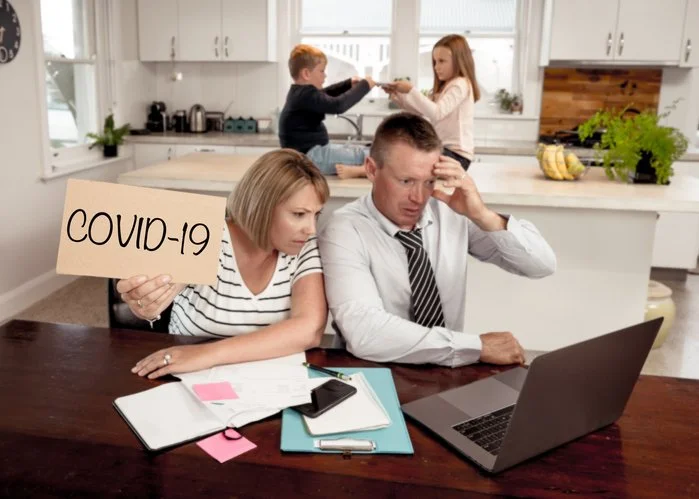
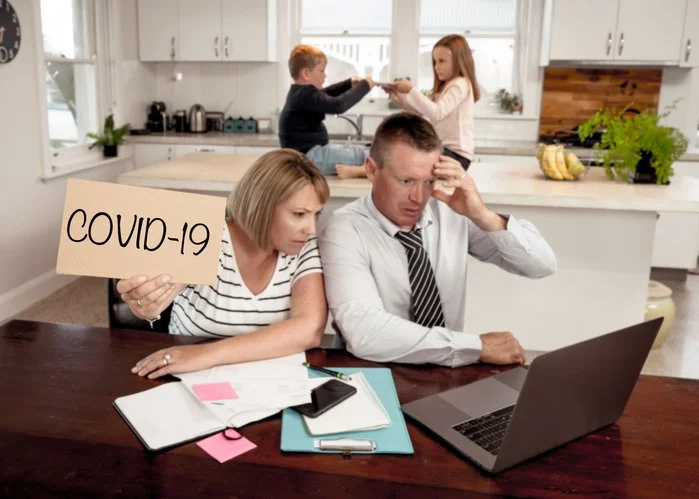
It’s natural for parents to feel stressed and anxious right now. Whether your kids are going back to school in person or a hybrid learning situation, there are complicated issues facing families everywhere. Anxiety wants security and certainty and, with COVID related risks, we just don’t have much of that these days. To help you manage your anxiety, try these tools:
- Identify what you can control: Rather than focusing on what might happen and the possible negative outcomes from that, shift your attention to proactive action. What steps can you take to protect your child and yourself as much as possible? Get as informed as you can about your school’s policies and decide whether those make sense to
 you and your family. If not, explore what choices make you feel most comfortable. Give your student the tools they’ll need. Provide your child or teen with masks and hand sanitizer. Show them what physical distancing looks like: use a tape measure to demonstrate six feet. Review hand-washing techniques and the importance of not sharing food or drinks. Set up a routing of hand sanitization when they come home from school.
 - Brainstorm solutions to challenging social situations: Your kids will need some help figuring out what to say when other kids aren’t wearing masks or social distancing. When you work on this together, you’ll lower your anxiety as well as theirs. Create a few easy-to-remember statements with them such as “I’d like to play with you during recess. Will you wear a mask to make it safe for us?” Or, “I’m sorry but I’m not sharing my lunch these days but your sandwich sure looks good.” Or, “I’d love to come over and hang out but I have to check with my parents.” When kids have clear language that gives them a way out of sticky situations, they’ll be less likely to succumb to peer pressure. This will be reassuring for you.
- Put a centering activity into your daily routine: Whether it’s five or
 thirty minutes of meditation or yoga, a walk, run or bike ride outside or dancing to your favorite song each morning, find something that makes you feel good and do it. We need those wonderful endorphins from exercise now more than ever. The benefits from daily yoga and/or meditation will help you practice how to monitor your reactivity and use your breath or slow movements to calm yourself down during those inevitable stressful moments. Make a list of quick calm-me-down activities when you feel nervous that includes changing your environment (go to a different room or get a breath of fresh air), drinking a glass of water, saying a positive affirmation that you believe or going to the bathroom and splashing water on your face.
 - Recall past successes in times of stress: Anxiety is very skilled at fostering amnesia about our personal resources and strengths. In a quiet moment, think about some challenging times in the past and how you overcame them. What personality traits and life skills assisted you? How can you apply those strengths to this situation? Write down some of your reflections so you can refer to them in a tough time. Ask for support from caring friends and family members to help you use some of these tools when you’re feeling particularly worried.


Help! My Teen is So Unmotivated This Summer!

 Teens experience a few types of academic burnout depending on their individual situations. For neurotypical kids, academic burnout usually arises towards the end of the semester when they are burdened with final tests, projects and paper in addition to their other commitments such as sports, music or theater or work. For high-achieving kids who are taking AP classes, preparing for AP tests can add to their stress. For juniors in high school who additionally have to take the SAT’s or ACT’s for college, it can be overwhelming. They can become exhausted with how much they have to do.
Neurotypical Kids:
As a parent of these types of teens, your primary job is helping them maintain balance and perspective in their lives. Work with them to create a study/life schedule that allows for some down time each day. Don’t orchestrate what they should do during that time though. Instead brainstorm some healthy options other than screens such as cooking, walking the dog, going for a run, listening to music or even watching a single show with you. If they want to mess around on their phone a bit to "chill", keep it (like tv) time limited. Teen brains especially need some non-screen to decompress and integrate all of the information they are learning and processing during the day.
Neurodiverse Kids:
For kids with ADHD, learning disabilities or autism spectrum disorders, burnout can occur more frequently and more intensely. Working hard to hold it together at school all day takes a lot of effort and concentration for these teens. They spend a lot of their time doing academic tasks that are hard, boring or unpleasant. By mid-semester, their efforts may not be panning out as they had hoped and they become discouraged and uninterested in doing the work.
While the recommendations above for neurotypical kids apply equally to these teens, teens who are outside-the-box thinkers benefit from additional parental support in creating shorter work periods with timed breaks, specific tasks to accomplish in those work periods and acknowledgement of their efforts towards working towards goals, even if they are not fully met. This validation encourages them to keep going. Family work time, when parents and kids work side-by-side on their stuff, also helps teens stay on track because adults can monitor them without being intrusive.
Learn more:
Dealing with Defiant ADHD Teens and Tweens in this Strange COVID Summer
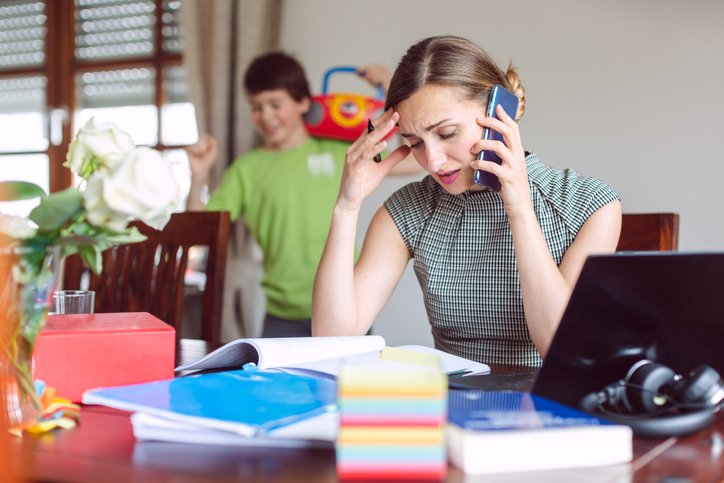
 Now, more than ever, there seems to be very little we can predict and hold onto. Everyday, we hear new reports about climbing COVID cases as we struggle to practice safety measures, keep up with work, manage bored kids and keep our sanity intact. It can all feel too much to handle. Of course, in the midst of trying to keep your head above the water, there’s nothing like a defiant ADHD teen or tween to put you over the edge. How do you cope with the overwhelming stress? What can you do to help your child manage their big feelings and reduce family conflict?
Why teens and tweens with ADHD are engaging in more defiant behavior
Angry and frustrated with the many changes to their lives wrought by COVID, and feeling helpless to do anything, many kids are acting out in ways that are often inappropriate. It seems that they’ve taken a giant step backwards in managing their distress. With their executive functioning challenges related to emotional and impulse control, scattered kids are prone to intense pushback and aggressive anger.  Teens and tweens with ADHD, whose brains mature more slowly than their neurotypical peers, are particularly torn between what they would like to be capable of doing and what they can actually accomplish. They’re often very frustrated with themselves, and, unable to tolerate their shame, act out their personal dissatisfaction towards others--often their parents. They unconsciously want you to make it better for them, just like a young child would. Teens are still struggling with how to tolerate disappointment appropriately and how to pivot when faced with limits they don’t like. With all of the changes surrounding COVID and losses of familiar and beloved activities, the natural challenges with shifting, flexibility and planning for transitions for many kids with ADHD are intensified. Of course, when they are triggered, emotional and verbal impulse control fly out of the window.
 Underneath all of their bluster, many defiant ADHD teens and tweens suffer from low self-esteem and shame. They need tools for expressing themselves appropriately and signs of parental support for their attempts to use these techniques, even if they're not completely successful. You've got to remember that, while they may seem to enjoy the sense of power in the moment, they really don't like the conflict any more than you do. It's just that they lack certain skills which could help them.
Steps to disrupting cycles of defiance for ADHD teens and tweens:
1. Acknowledge their frustration:
Instead of convincing your defiant ADHD teen or tween why things aren't the way that they perceive them, validate their feelings. Mirror what you hear them saying with language like, "I hear that you are upset about X" or, "What you're telling me is Y." When kids feel seen and heard, they'll begin to slow down.
2. Set ground rules about acceptable behavior:
Discuss with your kids what ways of expressing anger or displeasure is appropriate and what are not. Be specific about language and physical actions. In addition, set up incentives for cooperating and logical consequences for obstruction. For instance, "If you curse at me, you will not earn the privilege of your phone for the rest of the day." Or, "If you can go through a day and not scream or break something, you'll earn extra screen time." Work with incentives that matter to them.
3. Plan for arguments:
Let's face it, you will get into fights. Instead of being surprised each time this happens, identify signs that you are heading into the red zone and how to take a planned, timed break. Make a list of acceptable choices for this "Calm-me-down" time and post it in the kitchen and bedrooms. Separate for an agreed-upon time until you can re-convene without hot tempers from defiant ADHD teens or tweens. For some kids, this break may need to be a few hours. That's okay.
4. Decide what's next:
 Instead of trying to teach a lesson, talk about what's needed to move on. Ask questions, listen and reflect back what you hear. Wonder about alternative choices you both could have made in that instant or could make in the future. Collaborate on an action for moving on. Refer back to your agreement about ground rules while staying compassionate but firm. You can talk about any lessons at another time, perhaps the next day in the car or perhaps at a scheduled hour. It's really important to notice and validate the activities and emotions that your defiant teen is becoming triggered. This type of validation will lower their rage and shame. Your goal is to cool the flames in the moment and follow your collaborative agreement. Teaching lessons will come later.
Learn more:

Feeling low? Tips for keeping your sense of humor amidst the uncertainty

 It’s really tough to stand in uncertainty and, right now, people around the globe are facing this challenge as best they can. With all of the confusion about whether to send kids back to school and how to manage hybrid or home learning while working, many parents are wrestling with anxiety, frustration and hopelessness. There are just no clear guidelines about what to do or how to move forward. As parents of kids with ADHD, you’re used to facing struggles at home. Issues related to impulsivity, inattention, disorganization among other executive functioning skills can fray your nerves when there’s not a pandemic. Living in close quarters, dealing with food, housing, work or educational insecurity, you’ve probably lost your temper a few more times recently than you would have liked. While regrets can foster change, judging yourself unkindly only makes matter worse. Instead, let’s try to practice self-compassion through humor. Having a sense of humor when raising kids is an essential tool for any parent. Children can expand your heart and push your buttons like no one else. Being able to laugh at what happens, at your reactions and sometimes at life itself helps ease the journey, especially right now. Everybody does things they’re proud of as a parent and things that they wish they hadn’t. Having compassion for yourself when you stumble enables you to giggle at your foibles without bombarding yourself with shame. Self-blame or criticism of others often intensifies small incidents into full-blown explosions. Maintaining a sense of humor reduces the chances of a conflagration.
  As the parent, you need to set the example for your kids by using a tone that brings humor, boundaries and self-reflection to the unprecedented situations we are facing. For example, when your child or teen with ADHD speaks to you in a disrespectful tone, you have a choice. You can angrily tell them “You’re not allowed to speak to me that way. Go to your room.” Or, you can say: “Fresh is for vegetables, not speaking to me like that.” The first option throws fuel on the fire; the second one, dampens the flames. If your teenage son gets into your car, plugs in his phone and listens to rap music loudly that he knows you hate, you could tell him that he’s being selfish and entitled and unplug his phone. Or, you could learn some of the lyrics to his favorite songs and sing along. That will certainly change the dynamic in the car and likely make you both smile. You’re managing your own reaction with humor and not responding negatively. We need some laughs--any humor--to alleviate our stress and worrying. I’m not talking about ignoring the complex reality you are dealing with, but rather pivoting to something lighter temporarily. Put some reminders about positive attitudes and quick comebacks. Consider watching some old family videos (kids love to see themselves when they were younger); make a family movie night with favorite comedy and popcorn; play a silly game together (Mad Libs, charades, Sorry); crank the music and dance in your living room. Using self-control and creativity to look at yourself and your reactions differently, you shift conversations and situations away from annoyance or aggravation by injecting some levity. You’re not only modeling this for your kids as an effective coping tool, you’ll feel better and they will too.

22 News Mass Appeal: Reducing Anxiety by Shifting From Worry to Wonder

What's the Difference Between Nervousness and Anxiety?

 Feeling nervous is different that feeling anxious in terms of intensity, frequency and focus. Nervousness, like anxiety, is experienced cognitively and physically but it doesn’t stop you from doing something. Nervousness is a temporary feeling of insecurity related to specific concerns about a new or stressful situation. Usually these concerns go away once you’ve mastered the tasks associated with that situation or lived through and managed it successfully. You’ll feel nervous with a flutter in your stomach or some perspiration about doing something like getting a flu shot or going to see a friend for the first time in months, but you’ll do these things anyway. Anxiety disorders are more debilitating and persistent, reflecting repeated all or nothing thinking, negative expectations of events and an inability to tolerate uncertainty. They can be related to general or specific fears that don’t go away despite positive experiences of successfully overcoming them. Although anxiety can be adaptive by helping us prepare for real danger, anxiety disorders involve the experience of a natural emotion at an inappropriate time and to an excessive degree. Sometimes there can be episodes of fear or worry in the absence of a genuine threat. Whether it’s a true emergency or a false alarm, anxiety disorders distort your perceptions and create uncomfortable bodily states including racing heart rate and shortness of breath. Most people try to avoid whatever triggers the anxiety which, outside of crisis management, actually makes it worse. Instead, it’s most helpful to identify what triggers your anxiety, your typical, distressful reactions and brainstorm alternative responses. The goal for reducing anxiety is learning how to tolerate the discomfort that comes from uncertainty and realistically assess the safety of a given situation. For example, your child may be very anxious about being stung by a bee, refusing to spend any time outside. You will have to work with her to go outdoors slowly, by increasing the minutes she successfully tolerates the fresh air each day. We want her to learn that she can worry about bee stings and live through her fear. She'll likely need to create and use self-calming phrases such as "I don't see any bees around me," "Bees want pollen" or "A sting will hurt less than getting my ears pierced." She's learning to how to manage her anxiety and you are supporting her budding confidence.
  Whether your child or teen is dealing with nervousness or anxiety, they need to figure out a strategy for self-soothing. You won't always be there to reassure them that things will be okay. Practice some phrases and calming behaviors outside of challenging situations so they're familiar enough for kids to summon up when needed.

Getting ready: Tips for preparing for school in uncertain times
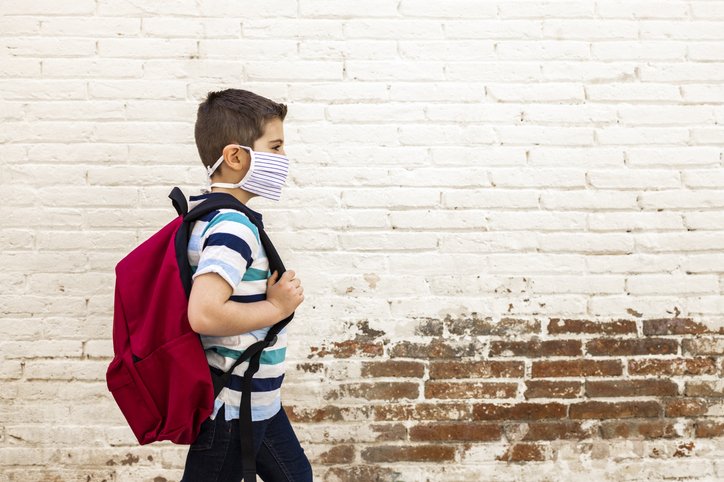
 After a spring semester with remote learning and its many complications for students, parents and educators, schools are reopening in the fall. While each state is dictating its own guidelines for this reopening, it looks like many independent schools and public school districts will opt for some type of hybrid learning--a mix of in-person and online instruction. These hybrid models differ according to age groups but the details have yet to be ironed out. The general consensus is that primary school students need more face-to-face instruction that allows for safe distancing and mask-free breaks. Secondary school students, those in middle and high school who tended to adapt better to online learning, will likely face some classroom time alternating with virtual instruction. It’s quite possible that these students won’t attend school daily to accommodate recommendations about social distancing and class size. But, with so much still unknown about the fall semester and information about COVID changing daily, parents, kids and educators are understandably anxious and uncertain about what to expect. How can you prepare yourself and your child or teen for the start of school in this constantly shifting situation?
 School closures in the spring and the quick shift to virtual learning combined with job, housing and food insecurity for many people led to high levels of stress and frustration for families. Kids faced losses of daily routines that kept them on track and organized, extracurricular activities that brought them self-confidence, fitness and fun, and regular social interactions with peers and caring adults. They felt angry, discouraged and lonely. As parents, you did the best you could in a tough situation: you managed work, health and safety concerns while making sure your kids with learning differences kept up with their schoolwork. You became their teachers, tutors and advocates--roles, frankly, you were simply not trained for. It's hard to imagine repeating this scenario again this fall, especially for those of you who have returned to work outside of the home.
  Although many things about school remain in flux, now is a good time to begin preparing your kids and yourself emotionally and mentally for the re-entry. Start with these steps:
- Empathize with their anxiety: As children and teens face returning to school, they’ll have mixed emotions. On the one hand, they look forward to seeing friends, reconnecting with teachers and embracing a ‘normal’ structure to their lives. On the other hand, many kids will be nervous about the changes to school, possible COVID contamination and social interactions. You can best assist alternative learners by empathizing now with whatever feelings they have and normalizing them. It's hard for adults to understand what's happening; it's almost impossible for kids.
- Expect an adjustment period: When kids with ADHD feel anxious and nervous, they can be more inflexible than usual. They may act out their concerns with increased anger, aggression or isolation. Talk about the specifics of their worries, explore possible solutions together and offer pertinent information to answer any questions. Facts and knowledge when shared appropriately alleviates anxiety. Talking about the process of adjustment amidst this unfamiliar of this situation will help them understand that adapting to this new normal takes time and practice.
- Collaborate on weekly family meetings: Although the specifics of school are still unknown, you've got to explore and plan for options. When parents and kids collaborate on setting up a learning plan for this fall, the transition back to the new academic picture will flow more smoothly. Make a date and time for a short weekly family meeting to check-in. This is when parents and kids discuss what’s going well, what could be different and how to make those changes.

I'll be addressing specific tools for the transition back to school in future blogs. In the meantime, focus on the present. Things are unfolding so quickly that it's important not to get ahead of yourself. Try not to worry. You'll have the information you need soon enough and then we can figure out what to do next.