Blog, Anxiety Depression & More Dr. Sharon Saline's Team Blog, Anxiety Depression & More Dr. Sharon Saline's Team

4 Tools to Manage Panic Attacks

Panic attacks are best managed by having a concrete set of steps to follow that you’ve figured out beforehand. When you can identify the triggers and notice the warning signs, you can ground yourself more effectively and won’t be thrown off course as much. In a calm moment, think about what internal changes signal that you are feeling panicked and write these down.  Increased heart-rate, shortness of breath, perspiration, knot in the stomach are common signs that anxiety is rising.

Next, create a list of the following tools and put it on your phone, computer or post-its so you can easily refer to it.

  1. Breathing exercises: Alternate nostril yoga breathing calms you down quickly. Put your index finger on your right nostril: breathe in and out of your left nostril. Now switch and breathe in and out of your right nostril. Do this on both sides until you start to settle down. It might be as many as 10-20 times.
  2. Make a playlist of songs that you love, soothe you or just make you smile. Give the playlist a fun title like “Cooling down tunes.”
  3. Change your environment: If you are inside, go to a different room or step outside. Notice what’s happening around you as you are inhaling in for 4 counts and exhaling for 4 counts. 
  4. Go to the bathroom and wash your face and hands. Tell yourself something encouraging such as: “You’ve got this.” “This has happened before and you’ve survived.” “It’s just your fears trying to run the show. Slow down so you can calm down.” 

Read More about Anxiety Purchase handout: You Can’t Stop Anxiety. You Change Your Relationship with It

Read More
Blog, Anxiety Depression & More Dr. Sharon Saline's Team Blog, Anxiety Depression & More Dr. Sharon Saline's Team

Depression Myths

What people get wrong about depression:

  1. You could make it go away if you tried harder.
  2. An incident must have happened to make you depressed. Otherwise you wouldn’t be sad.
  3. If you practiced more gratitude, you’d feel better.
  4. Anxiety and depression are unrelated.

Depression is not a matter of will. People who are depressed would strongly prefer not to feel this way. Depression is usually a combination of several factors: biological, environmental and psychological. People may be biologically pre-disposed (it runs in their family) or their brains lack sufficient neurotransmitters (Serotonin, Dopamine, Norepinephrine) to help them regulate their mood. They may have persistent stressors in their lives which don’t resolve (poverty, trauma, unhappy home or work situations). They may suffer from low self-esteem and lack confidence. While a single event can lead to feeling depressed (loss of a loved one, prolonged unemployment, etc), some people simply become depressed without a ‘cause.’

When you’re struggling with depression, you often don’t see any options for yourself and the depression itself prevents you from seeking assistance from others, including therapy or medication. It can be hard to manage daily living, take care of yourself or appreciate anything. Changing your perspective on things would be great but usually it’s out of reach because everything seems difficult and dark. Sure, more gratitude is always a good thing but a depressed person has to start noticing a few positives in their lives first. They’ve lost a sense of agency and getting back is a top priority.

Untreated anxiety has been found to lead to depression. When people feel worried and powerless over time, they can develop an anxious depression.  They’re preoccupied with things that might go wrong or they can’t control and feel discouraged about their alternatives. It can be overwhelming to act on anything.

More Resources: Why do I cry so easily Anxiety and other conditions Handout: Anxiety

Read More
Blog, Anxiety Depression & More Dr. Sharon Saline's Team Blog, Anxiety Depression & More Dr. Sharon Saline's Team

Habits that Hurt Mental Health

I see a few major habits in my clients that hurt their mental health more than help them.

  1. Spending too much time on social media: Social media not only seems to suck up time faster than you notice but it also is built to so that people compare themselves to others. These comparisons are rarely favorable and people walk away with not feeling positive about themselves. As one adolescent girl told me, “No one ever posts pictures of their face mid-menstrual break-out or of their bombed test grade.” People feel pressured to keep up with friends, stay in touch and maintain an image that they’ve created. This creates more stress in their lives which interrupts their  ability to reflect on themselves, what they think and create a sturdy sense of self. 
  2. Eating fast food on the run instead of preparing healthy meals and sitting down to eat them: We are so much of what we eat and we eat non-nutritious food quickly, we’re not providing our brains or bodies with the appropriate fuel needed to think and function well. Sharing a meal is not only good for our physiology but it also provides an opportunity to connect with people face-to-face and talk about our lives. During a sit down meal, our bodies slow down and properly digest our food so we can absorb the nutrients and simultaneously take a much-needed break from the chaos of our lives.
  3. Having arguments via texting or emailing: You can’t take an emotional weather report via electronic communication. If you say something difficult or sensitive this way, there’s no way for you see how your words affected the other person or perceive whatever feelings are brewing inside them. It’s easier to disengage and avoid accountability for your words and actions. People need to learn and practice interactional skills not only for healthy personal relationships but also for work and life situations where they have to deal with others. 
Read More
Blog, Anxiety Depression & More Dr. Sharon Saline's Team Blog, Anxiety Depression & More Dr. Sharon Saline's Team

Frustrated by Inconsistent Progress? Change Your Expectations and Nurture Efforting

It happened again. Tonight when you went to take your daughter's phone for the evening, she argued with you. Even though, you've had this conversation for the millionth time yesterday, she pushed back again today. Exasperated by her lack of recall and self-control and expecting a different outcome, you lost it. The evening ended in a collective meltdown.

 Expectations, whether they're reasonable or unrealistic, often lead to frustration, disappointment and anger. When you wish your child was acting differently, when you notice that they're unable to consistently perform a task or when you inadvertently set a goal that they can't achieve, it's not only discouraging but also demoralizing. Like Goldilocks and the three bears, it can be tough sometimes to know what task levels are just right for your child's growing capabilities.

Ideally, you want your child or teen with ADHD to have a variety of tasks in their lives. These include things that they can do easily and independently, some things are challenging that require some adult support and a few things that are reach items. Reach items are tasks or chores that kids can't do without your help and you'd like them to learn. It's really important that you assess their abilities in relation to these different levels of tasks so that you can express support rather than judgment. Instead of expressing your frustration with their inability to put their clothes in the hamper today when they did it for the past three days, your goal is to notice their efforting--their attempts to work on a desired goal. Is three days in a row better than one day last week? Neutral expectations--ones in which you expect progress amidst inevitable setbacks--are what matters most. You acknowledge when your daughter clears the table without asking tonight but you don't expect that this is the new normal immediately until you see it unfolding more often than not. It takes extra time, repetition and cueing for the ADHD brain to learn routines and life skills. Paying attention to the positive helps encode these behaviors more effectively.

Life with a child or teen with ADHD is filled with periods of two steps forward and one step back. Rather that being surprised and disappointed by this pattern, expect the stumbles. Remember that your son or daughter is doing the best they can with the resources available to them in a given moment. If they can't follow through, it's because they can't access the right thing to do right then due to their executive functioning skill challenges. These abilities takes more time, repetition and patience to develop than for neurotypical brains.

By reframing your expectations, not abandoning them, you acknowledge your child's progress and nurture their self-esteem.


 

Read More
ADHD, Blog, Parenting & Families, Anxiety Depression & More Dr. Sharon Saline's Team ADHD, Blog, Parenting & Families, Anxiety Depression & More Dr. Sharon Saline's Team

Teen Hormones and the ADHD brain? Helping Kids in Transition

As they enter adolescence, boys and girls with ADHD may not be able to articulate what is swirling around inside of them. Quick to react and then make inappropriate choices, they may not be aware of what triggers them or how to manage themselves differently. When the floodgates release, their feelings overwhelm them. Sometimes the intensity of these moments reflects their changing hormones; other times, it's connected to their frustration of living with ADHD. It's hard to tell the difference. 

The onset of puberty in boys and girls, especially those with ADHD, can also increase their reactivity and sensitivity to anxiety, anger and later, shame about how they've behaved. Both estrogen and testosterone have a direct effect on the brain’s neurotransmitters. Their outbursts are showing you that they need help developing skills for self-regulation and understanding what's happening in their bodies and brains. 

Here are a few things you can do to assist them:

  1. Arrange an appointment with his or her pediatrician to discuss the behavioral changes you’ve been seeing at home and talk about how and why hormones contribute to them. It’s important that the doctor knows what is happening and may have some suggestions for both of you. 
  2. Collaborate with your son or daughter to find ways to deal with their agitation. Given fluctuating hormones and the challenges of living with ADHD, you can’t expect to stop big feelings from happening. What you can do is create a plan to deal with them before they actually erupt. Sit down together and talk about the triggers that you both notice lead up to these explosions. Look for the patterns and focus on them instead of the content. Review any signs that indicate something’s changing. What does he notice is occurring in his body? What behaviors does she start to display? Make a list of these observations.
  3. When things heat up, you've got to slow them down. Talk about what has helped in the past when intense feeling arose. Which of these could be used now?  Ask what you can do (and what you can avoid) that would support him or her in developing self-control in those moments? Connect these ideas to your previous observations. Write a list of  these options and post them in your kitchen.

If your son or daughter continues to struggle, consider going to see a therapist. Counseling can be extremely useful in assisting kids with ADHD and their parents to understand triggers that set them off, improve their ability to talk about what’s happening and reduce anxiety and anger and create options when emotions run high. 

Read More
Blog, Anxiety Depression & More Dr. Sharon Saline's Team Blog, Anxiety Depression & More Dr. Sharon Saline's Team

Manage big feelings better: Reduce triggers by noticing bodily signals

For kids with ADHD, managing intense emotions can be extra tough. In the heat of the moment, it’s hard for any of us to hold it together and act the way we’d like to. Breathing techniques, calming phrases or taking a walk are great options that tend to go out the window when you're angry, frustrated or afraid. Instead, we yell, cry or say inappropriate things.  When confronted by a tidal wave of big feelings, kids with ADHD especially struggle to access the parts of themselves that know how to make effective, positive choices. Their weaker executive functioning skills aren't yet developed enough to exert emotional and verbal control and they often can't recall how they should be responding. Instead of trying to stop these strong emotions or argue with your son or daughter about their irrational reaction, we have to help kids notice and respond to what's happening inside of them.  Practicing and teaching self-regulation requires acting like the GPS in your car: you neutrally observe that you’re off course, stop going in that direction and  choose a new route. You notice the physiological signs that you are activated (increased heart rate, perspiration, louder voice), you pause (take a deep breath, change your location and consider what's most important right now) and you re-direct (make a choice that's different than a typical reaction).  Since most children and teens with ADHD are still cultivating self-awareness, they'll need your help to detect the signs that a tidal wave is building inside of them. By identifying the pattern of what triggers them and the bodily signs that something is off, you work as a team to reduce their reactivity and decrease their triggers. They'll feel start to feel a greater sense of self-control and you'll feel less frustrated with their outbursts.  Follow these steps:

  1. In a calm moment, talk with your son or daughter about things that set them off.  What are the bodily responses that signal something is escalating? Usually people have a physical reaction when something bothers them, but they can’t catch their reaction fast enough to make a calmer choice. Share a few ways that you can tell when you are agitated. 
  2. What would they like to do differently and how could you assist them? How could you cue them to respond differently without being provocative? Offer a few of your observations of their behavior and some ideas for alternative choices. Make a list of these and post it in a space that you can all refer to for support in a tough moment. 
  3. Acknowledge all attempts to follow a suggestion on the list as well as successes. Efforting in this area matters a great deal even if it's not consistent because practice makes progress. Tell them specific ways that you notice this progress and how you appreciate it. 

When you work together to identify triggers and manage the big feelings that accompany them, you're helping your child or teen build those critical executive functioning skills of self-regulation and self-awareness. It may seem like one slow step at a time but you're still moving forward!

Read More
Blog, Anxiety Depression & More Dr. Sharon Saline's Team Blog, Anxiety Depression & More Dr. Sharon Saline's Team

Anxiety and Food

Q: What foods might spike anxiety ... and why?

A: Although I am not a medical doctor, I've observed that especially sugary foods or those with a lot of caffeine can increase someone's agitation and then make them more prone to anxiety. Sometimes ginseng can do this as well. 

Q: Are there foods we should turn to instead to reduce anxiety?

A: I think herbal teas such as chamomile or those with other calming properties can be extremely useful. 

Q: How much should people be eating?

A: Everyone is different, but we should all eat slowly and mindfully! Often when people eat quickly or standing up, their bodies don't have a chance to metabolize the food and recognized that they are sated Often overeating happens with rushing. u

Q: Are there any links between how much you eat and your anxiety or when you eat and anxiety?

A: Yes, some people eat when they feel anxious; others can't eat. It's really an individual response.  

Q: Is all of this true for people with diagnosed anxiety disorder only or just regular folks who sometimes feel anxious?

Whether or not you have an anxiety disorder or 'just feel anxious sometimes,' the feeling of anxiety is the same. The difference is one of frequency and intensity. So yes, it's true for both sets of folks.

Read more advice from Dr. Saline on anxiety Purchase Anxiety Worksheet

Read More
Blog, Anxiety Depression & More Dr. Sharon Saline's Team Blog, Anxiety Depression & More Dr. Sharon Saline's Team

Anxiety and Resilience

Anxiety is a physiological response related to a perceived danger and worried, negative thinking. Basic fight or flight responses are triggered from worries and these reactions are usually disproportionate to the concern at hand.

Worry can be productive or poisonous. Productive worry is worry about doing things--completing homework or getting to work on time --and can be helpful in getting things done. Poisonous worry is worry about things you can’t control--the ultimate demise of the planet or whether people like you--and can be debilitating. The first step to dealing effectively with anxiety is to determine which type of worry you are dealing with. Then, engage the thinking brain to slow down the tidal wave of anxiety and emotion volcano by doing two things:

  1. Rely on past experiences of successfully overcoming anxiety and applying those skills to this moment.
  2. Engage in a worse-case scenario by asking “And then what?” repeatedly until you land at the illogical end.

This process works with kids and adults.  I give you more specifics in this Youtube video and in this handout.

Read More
ADHD, Blog, School & Learning, Anxiety Depression & More Dr. Sharon Saline's Team ADHD, Blog, School & Learning, Anxiety Depression & More Dr. Sharon Saline's Team

Got an anxious high schooler with ADHD? Help is here.

Many teens today feel extremely overwhelmed and anxious, especially those who are out-of-the-box thinkers. Life seems constantly demanding and stressful. With the executive functioning challenges that are typical of ADHD brains, it's even harder for them to regulate intense feelings.  Routine concerns can quickly balloon into outright panic.  Approximately 35% of kids with ADHD have also been diagnosed with an anxiety disorder. In my clinical experience, this number seems higher. After hearing over the years about about the ways that they miss the mark, don't measure up and differ from other kids, these kids develop an internal vigilance--a nervousness--about the next time they will inadvertently stumble, what people will think of them and how to deal with the inevitable consequences. These worries fosters overt or covert anxiety. I've asked teens with ADHD to describe the two things that cause them the most anxiety. Here's what they’ve told me that they wish adults knew:

    1. They can’t keep up with 24/7 demands of their lives--whether it's in real time or on social media. They struggle to regulate themselves regarding technology, understand social nuances and keep track of events and responsibilities. Their parents don’t see or understand all of the nuances they are dealing with.

Solution: Despite their words or actions to the contrary, teens actually want their parents to set limits on technology and help them manage. Parents, befriend your children on all social media outlets and help them manage FOMO. Talk with your teens about appropriate responses to relationship challenges both online and in person. Help them distinguish when to engage and how. Create screen-free family time at meals. Ask them to share an online, Youtube or musical interest or hobby with you so you can understand and participate in their world 

    1. They feel enormous pressure about school, the college process and what to do after high school. Some teens with ADHD drive themselves too hard, over-focus on achieving good grades and keeping up with their friends. Going to the ‘right’ college becomes more important than pursuing what best fits their interests. Other kids, in the face of repeated academic difficulties, adopt a "why bother even trying" attitude. They've lost the interest and impetus to make efforts. Too often, in all of these scenarios, parents will push their children based on their expectations of who they think their teen should be. Arguments and disappointment abound.  

Solution: Meet your teen where they are, not where you want them to be or think they should be. Development is an organic process that doesn’t necessarily unfold in a linear fashion. This is especially true for kids with ADHD, learning differences or high functioning autism. Their brains need more time to mature and they may benefit from an alternative path for a while until things fall more into place. Be open to thinking about alternatives. Maybe your son who likes video games and art might be better suited for a vocational program in computer design than conventional academics. Perhaps your daughter who excels at soccer but hates writing might benefit from being an assistant coach for a gap year. Offer guidance and support with an open mind.  Of course, you can't erase your teen's anxiety. But, you can help them reduce it by monitoring their overwhelm, showing interest in their on-screen activities and keeping perspective on post-high school options.

Read More
Uncategorized, Anxiety Depression & More Dr. Sharon Saline's Team Uncategorized, Anxiety Depression & More Dr. Sharon Saline's Team

Tips to Reduce or Eliminate Anxiety

Anxiety is a physiological response related to a perceived danger and worried, negative thinking. Basic fight or flight responses are triggered from worries and these reactions are usually disproportionate to the concern at hand. Worry can be productive or poisonous. Productive worry is worry about doing things--completing homework or getting to work on time --and can be helpful in getting things done. Poisonous worry is worry about things you can’t control--the ultimate demise of the planet or whether people like you--and can be debilitating. The first step to dealing effectively with anxiety is to determine which type of worry you are dealing with. Then, engage the thinking brain to slow down the tidal wave of anxiety and emotion volcano by doing two things:


  1. Rely on past experiences of successfully overcoming anxiety and applying those skills to this moment.
  2. Engage in a worse-case scenario by asking “And then what?” repeatedly until you land at the illogical end.

This process works with kids and adults.

Read More
Uncategorized, Anxiety Depression & More Dr. Sharon Saline's Team Uncategorized, Anxiety Depression & More Dr. Sharon Saline's Team

What to Do When Your Child is Scared of the Dark

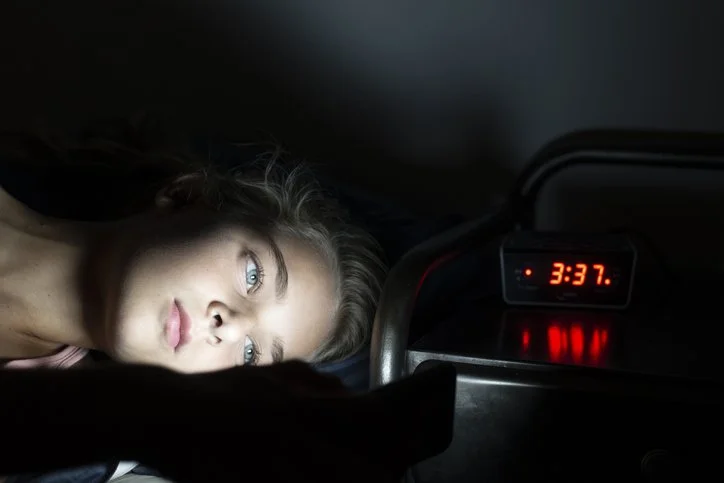
Monsters? Creepy noises? Frequent insomnia? Many children with and without ADHD struggle with going to bed, being in a dark room and falling asleep. Of course, it's normal to be frightened of unfamiliar things. it's also common for some kids with ADHD to struggle to turn off their brains even though their bodies are tired. For kids with ADHD, who struggle to manage strong emotions and can over-focus on particular thoughts, night-time fears can be especially problematic. Instead of you falling asleep in their bed or endlessly reassuring them, change your approach to one that creates confidence and happy slumber for everyone. Become their ally and take on the night dragons once and for all. Most kids tend to stay away from the stuff that scares them. Who doesn't? Anxiety is a powerful force to contend with.  If they're not exposed to it, then they're not afraid. But avoidance and depending completely on you for comfort may feel good now but doesn't help them in the long run.  They don't learn essential skills for self-soothing and positive self-talk. People build courage by being afraid and doing it anyway. Comfort is important to give but it can't be the only solution. Learning to tolerate discomfort in the dark takes time.  You will probably have to proceed slowly at first. Set up a plan by talking with your son or daughter about what frightens them, when they've managed to overcome that fear and how they did it. You want to identify successful nights and what made them work. Your child wants this to go away and so do you: that's your mutual motivation for creating a collaborative plan.  The goal is to strengthen the side of them that wants to do it and make it bigger than the part that doesn't. Use incentives with your plan such as points towards an activity they like (playing a game with you, additional screen time, etc.). This may sound crazy but let's take riding a roller coaster. Instead of going on the biggest one or even the medium-sized one, you start with something small to build your confidence. Then if that goes well, you can try a larger one. Similarly, leaving your child alone in the dark may be too much right now. Make a game to check the closet and under the bed for unwanted "guests." When it's time to turn out the light, turn on a night light, keep the door open, maybe play some soothing music and leave a light on in the hallway. Limit your time hanging out with them to ten minutes and discuss this well before bedtime. Maybe you'll need to sit in a chair at first, then by the door while humming  a favorite tune. When they're doing a better job of managing the separation and falling asleep on their own, consider closing the door halfway. Maybe that's enough. At some point, perhaps you can close the door completely and if you can't that's okay too.  The goal is to start doing small changes, let them feel successful and then tackle the bigger stuff. Be patient. Reducing night-time worries takes time, practice and some stumbling along the way. Stick with the plan you've both created for a few days, assess how it's working together, and make any necessary adjustments. Let your child's desire to do things differently guide you. Courage will naturally follow.


Read More
Anxiety Depression & More Dr. Sharon Saline's Team Anxiety Depression & More Dr. Sharon Saline's Team

Why Do I Cry So Easily? Experts Break Down the Reasons Behind Your Tears

According to Dr. Sharon Saline, the effort it may take you to ward off sadness, anxiety, bad news, or something that disturbs you could be compromised when you’re stressed. “When the body is dealing with these strong feelings, the feeling brain takes over the thinking brain and rules the day, allowing tears to flow more readily,” Dr. Saline says.

Read More
News, Anxiety Depression & More Dr. Sharon Saline's Team News, Anxiety Depression & More Dr. Sharon Saline's Team

One37pm: The Worrier’s Guide to Success

Often “worrier” has a negative connotation. And because of that, many entrepreneurs may see themselves not as worriers but as strategizers or problem solvers, says Sharon Saline, Psy.D., psychologist and author of What Your ADHD Child Wishes You Knew.

Read More
ADHD, Anxiety Depression & More Dr. Sharon Saline's Team ADHD, Anxiety Depression & More Dr. Sharon Saline's Team

Helping Kids with ADHD get more ZZZZ's

If your son or daughter has trouble going to sleep, you are not alone. There are several issues that complicate going to sleep for kids with ADHD. Some kids are sensitive to the medication they take and it can negatively impact their ability to drift into slumber. If they take a booster after-school to help with doing homework, this can be especially true. Perhaps your child is not be that physically tired. Vigorous, regular exercise could help them nod off more easily. Many kids today (those with and without ADHD) also tend to spend too much time on their screens too close to bedtime. Most physicians (and many sleep studies) recommend turning off screens at least one hour prior to bed. If you have an teen in your midst, the onset of adolescence and its hormonal and psychological changes can further prevent getting some good shut-eye.   Here are a few steps that you can take to help your child or teen get a good night’s rest: Start with making an appointment with whoever prescribes his medication. It’s very important that they know what is going on so they can make any appropriate changes or suggestions about his sleep challenges. Reflect on your family's evening routine. Is there adequate time built-in for chilling out before turning off the light? What have you (or your partner) observed that has helped your son or daughter in the past? Jot down these ideas. In a calm moment, perhaps after dinner, talk with your child or teen about the issue of going to sleep. The goal is to collaborate on sleep solutions, not get into a blame game or an argument. If you find yourself getting agitated or they starts to become defensive, pause and take some deep breaths together. Begin by asking about falling asleep. Is he tired? Is she frustrated? What would they like to see that’s different from what’s going on now? Talk about why you also want a better routine.  Discuss the skill of self-regulation--the ability for kids with ADHD to manage themselves--and how it relates to sleep challenges. What do they notice on those nights when sleep comes easily? What is or isn’t happening at those times compared to the nights when it’s tougher? Review the nightly routine and share your observations too. Should you replace pre-sleep stimulation like playing computer games, using social media or surfing the net with quieter brain activities? If they report worrying a lot before bed, consider seeking counseling. Brainstorm ways to create a routine that integrates what has helped them in the past with what could be useful now. Just like you’ve developed ways to get yourself to sleep, your child or teen needs to learn this same skill. Set up a new plan for the hour before bed. Listening to music, riding a stationary bike, watching a regular TV show or working on a big puzzle or fun project with a parent can all be good  substitutions for computer games and social media time. Once they are under the covers, if they are willing to read anything--the sports page, a graphic novel or a mystery, establish an endpoint for that. If reading is not an option,  maybe listening aloud to a podcast, an audio book, a relaxation exercise or quiet music could work. Be clear and specific. The time before sleep is often when kids want to chat about their lives. They seem more open to confide in you and ask for your advice. Prop your own eyelids open and to sit down for a few minutes. The connection will be worth it!

Read More
Anxiety Depression & More Dr. Sharon Saline's Team Anxiety Depression & More Dr. Sharon Saline's Team

TADD 2018- Overcoming anxiety so you live more confidently

Sharon Saline, Psy.D., clinical psychologist and author of What Your ADHD Child Wishes You Knew: Working Together to Empower Kids for Success in School and Life, specializes in working with kids, young adults and families living with ADHD, learning disabilities and mental health issues. Her unique perspective – as a sibling in an ADHD home, combined with decades of experience as a clinical psychologist and educator/clinician consultant – assists her in guiding families and adults towards effective communication and closer connections. She lectures and facilitates workshops internationally on topics such as understanding ADHD, executive functioning, different kinds of learners and the teen brain.

Read More
News, Anxiety Depression & More Dr. Sharon Saline's Team News, Anxiety Depression & More Dr. Sharon Saline's Team

ADHD Support Talk Radio: Turning down the Volume on Anxiety with Adult ADHD

Dr. Sharon Saline discusses why adults with ADHD ADD often struggle with anxiety and offers new ways to think about anxiety.  ADHD Support Talk Radio

Anxiety is a common struggle for adults with ADHD, and the effects can be debilitating in both our personal and professional lives. Productivity & ADHD Coach Lynne Edris hosts Dr. Sharon Saline in a discussion about why adults with ADHD ADD often struggle with anxiety, present some new ways to think about anxiety, and some tips for you to turn down the volume on your own anxiety. This podcast episode first aired on August 29, 2018

Read More
Anxiety Depression & More Dr. Sharon Saline's Team Anxiety Depression & More Dr. Sharon Saline's Team

The Bright and Quirky Child Summit: Fostering Resilience for Kids with Anxiety

Dr. Saline is one of the experts included in this online summit about bright kids with focus, learning, social, emotional, and behavioral challenges. The Bright & Quirky Child Summit: “Fostering Resilience for Kids with Anxiety 

Read More
News, Anxiety Depression & More Dr. Sharon Saline's Team News, Anxiety Depression & More Dr. Sharon Saline's Team

Attention Magazine: Worried & Preoccupied-Five Ways You Can Reduce Anxiety and Live More Confidently

In today’s world, where bad news travels the globe in seconds online, people seem more anxious than ever. Read Worried and Preoccupied: Five Ways You Can Reduce Anxiety and Live More Confidently (June 2018)
Read More
News, Anxiety Depression & More Dr. Sharon Saline's Team News, Anxiety Depression & More Dr. Sharon Saline's Team

AttentionTalk Radio: ADHD Tips– The Relationship Between Worry and Anxiety

AttentionTalk Radio: ADHD Tips– The Relationship Between Worry and Anxiety

Attention deficit hyperactivity disorder can be stressful, create a lot of anxiety, and lead to worry. In this episode of Attention talk Radio, attention and ADHD coach Jeff Copper (http://digcoaching.com) interviews Dr. Sharon Saline (http://drsharonsaline.com) around the differences between worry and anxiety. They talk about awareness and strategies you can use to manage both. If you have ADHD, you likely have anxiety, as well. If this speaks to you, then listen to this interview for insights to reduce your anxiety and worry. Attention Talk Radio is the leading site for self-help Internet radio shows focusing on attention deficit hyperactivity disorder (ADHD) and attention deficit disorder (ADD), including managing symptoms of attention deficit disorder, adults with ADD, or adults who have children with ADHD. Attention Talk Radio, hosted by attention coach Jeff Copper, is designed to help adults and children (particularly those diagnosed with or impacted by attention deficit disorder or its symptoms) in life or business who are stuck, overwhelmed, or frustrated. It will help adults and children get unstuck and moving forward by helping to open their minds and pay attention to what works. Attention Talk Radio host Jeff Copper is an ADHD coach. To learn more about Jeff go to www.digcoaching.com. Click logo below to listen.

Read More
News, Anxiety Depression & More Dr. Sharon Saline's Team News, Anxiety Depression & More Dr. Sharon Saline's Team

ImpactADHD: Fostering Resilience for Kids with Anxiety

According to Dr. Saline, anxiety is a physiological response to worry. The primitive part of the brain gets frightened – as if there’s a tiger at the door of the cave. Once triggered, the amygdala takes over the brain with a basic response: fight or flight. In modern day, when kids worry about ideas, like tests or what’s going to happen at school the next day, the physiological response is the same as if there is actual physical danger. A test, or a friend being unkind, becomes a tiger at the entrance to the cave – and our kids ‘freak out.’ Listen to Fostering Resilience for Kids with Anxiety (March 2017)

Read More